




Who Manufactures ISMC 350 Channels for DMIC Projects
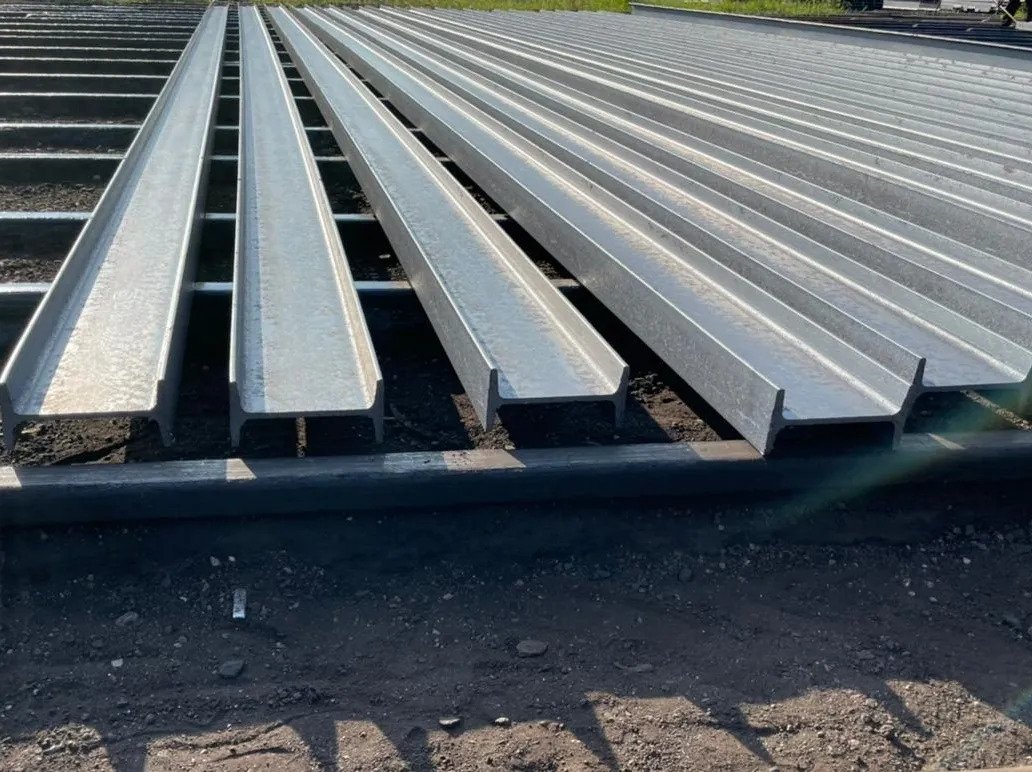
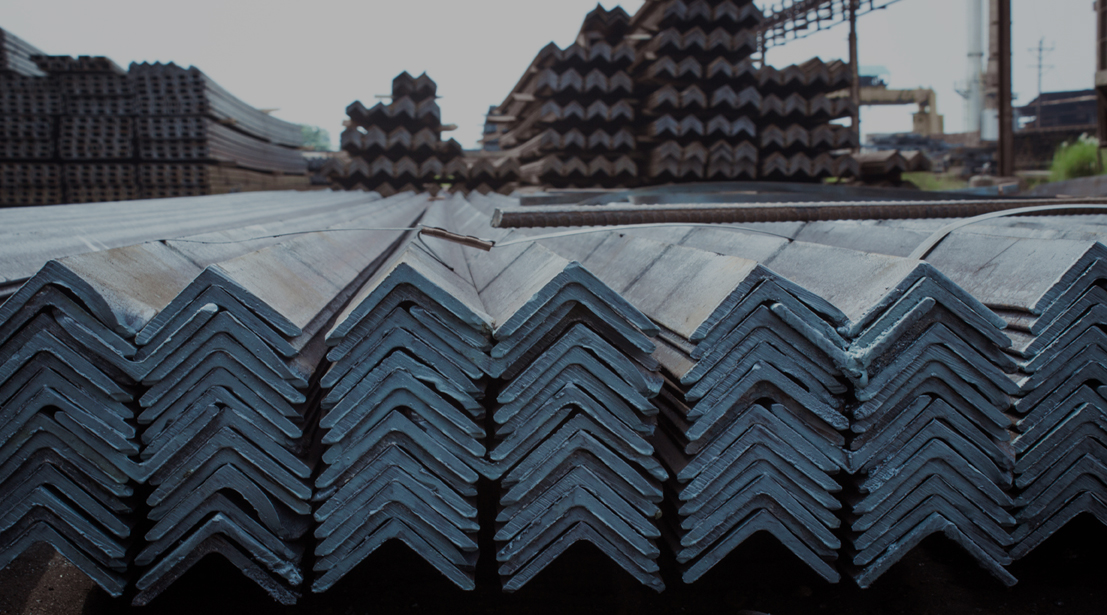
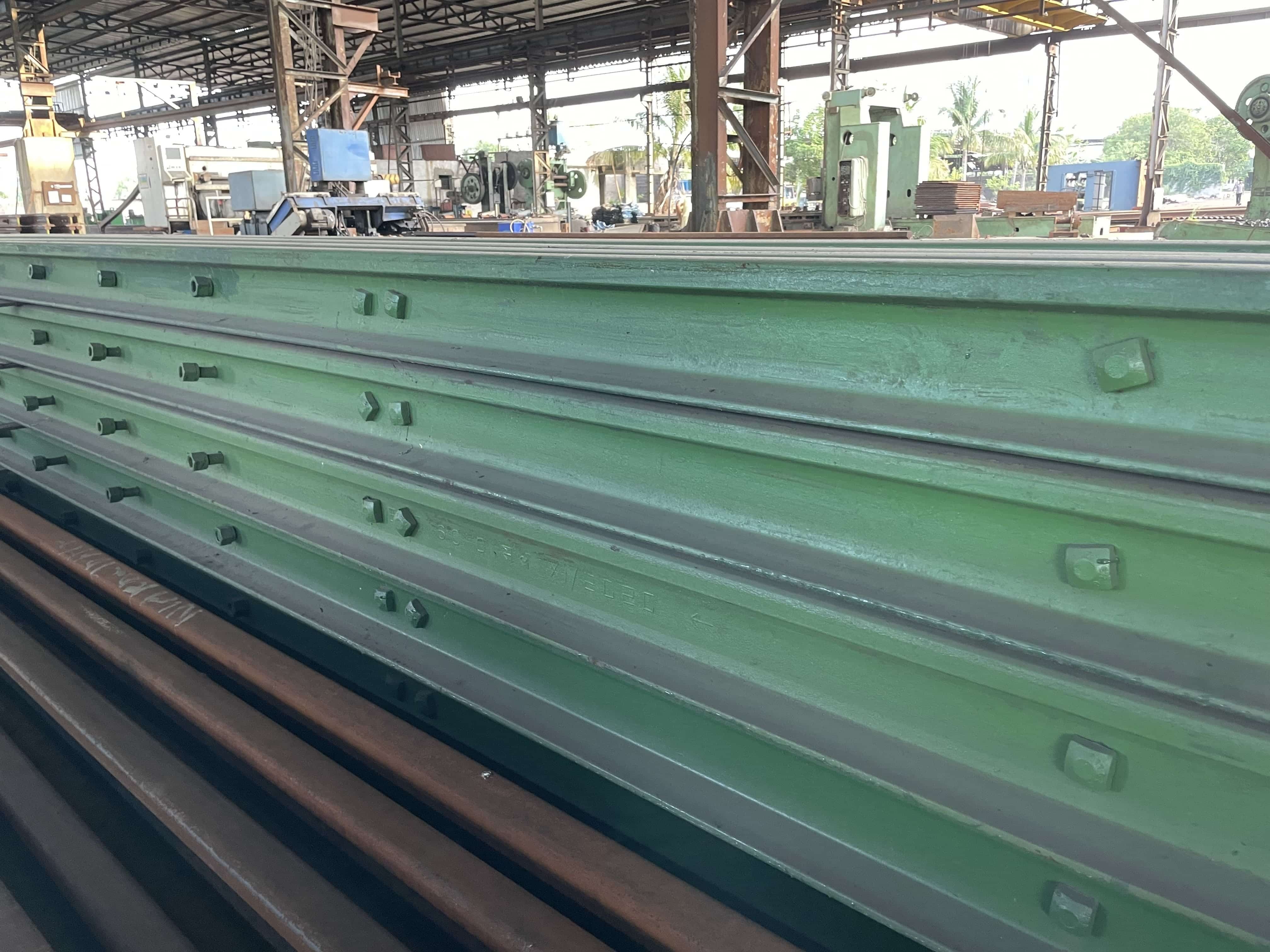
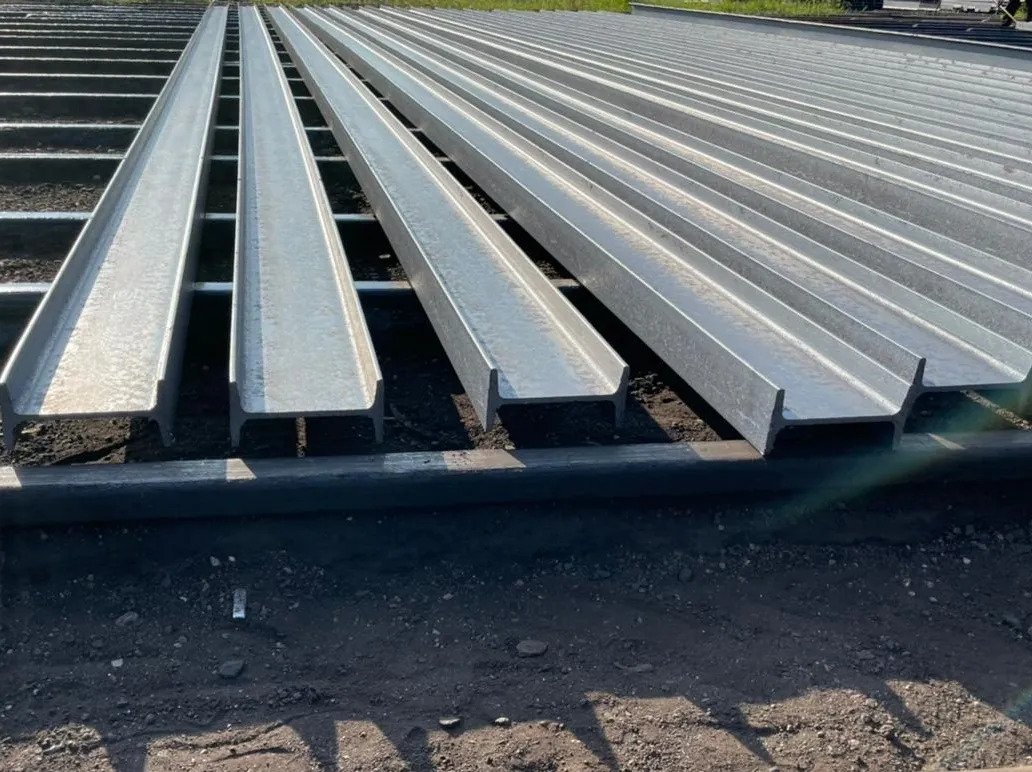
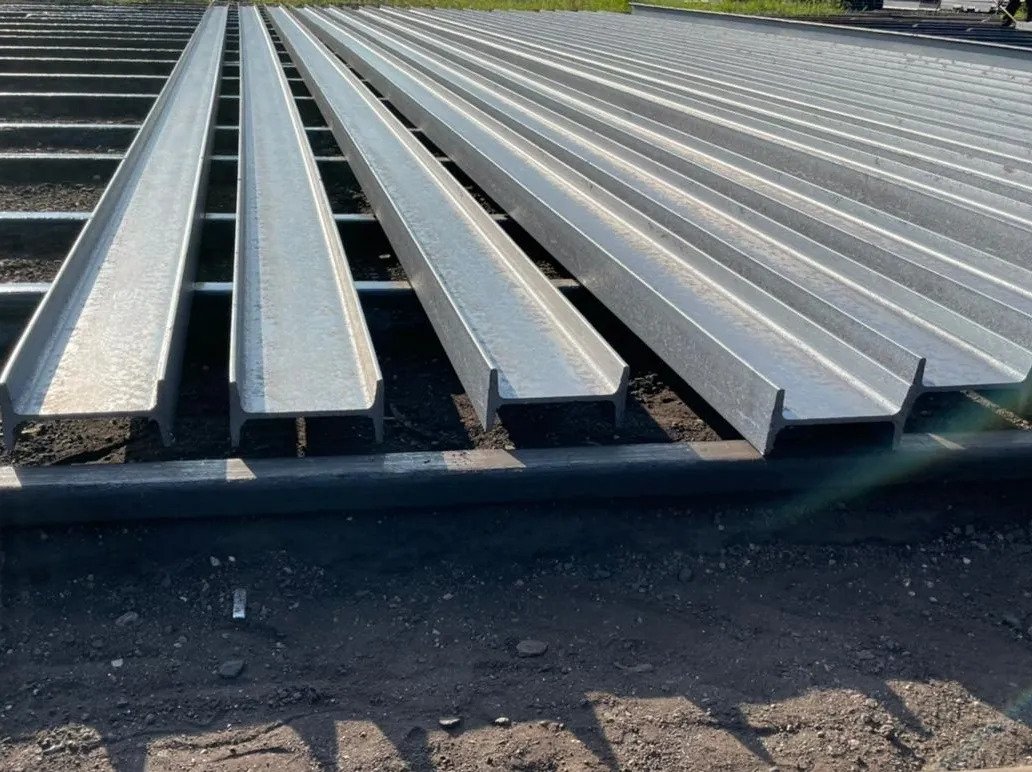
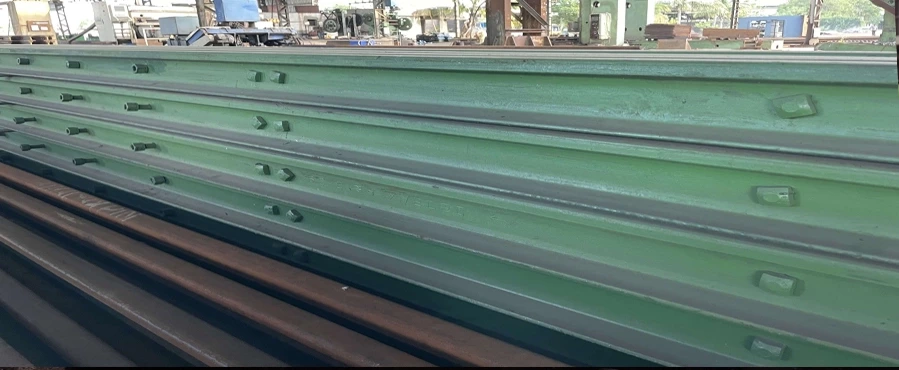
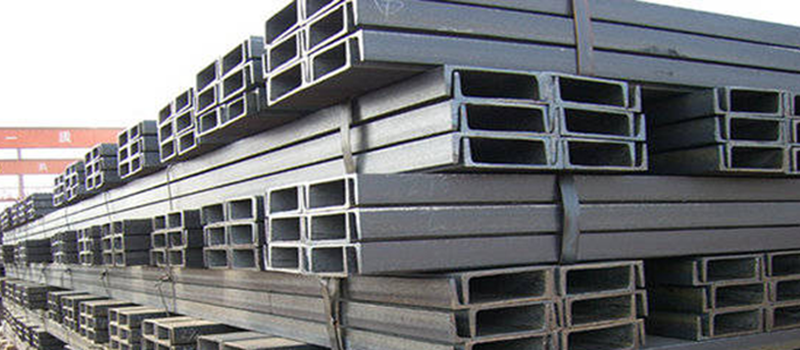
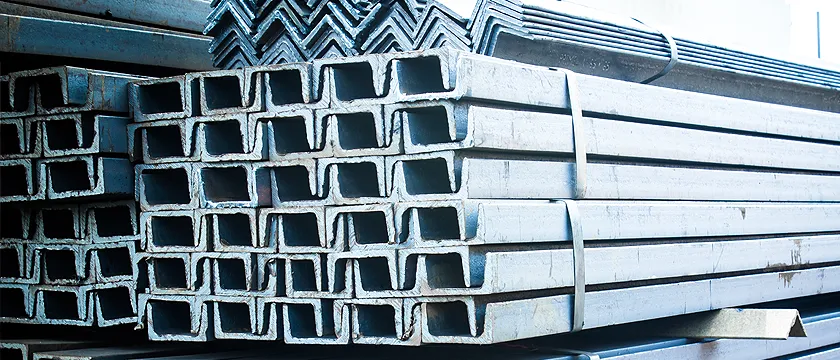
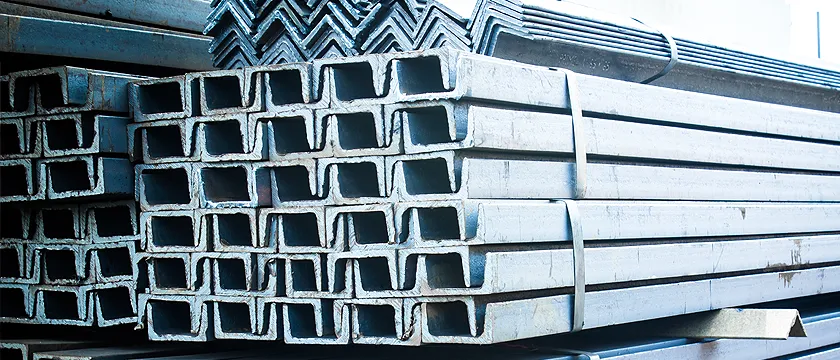
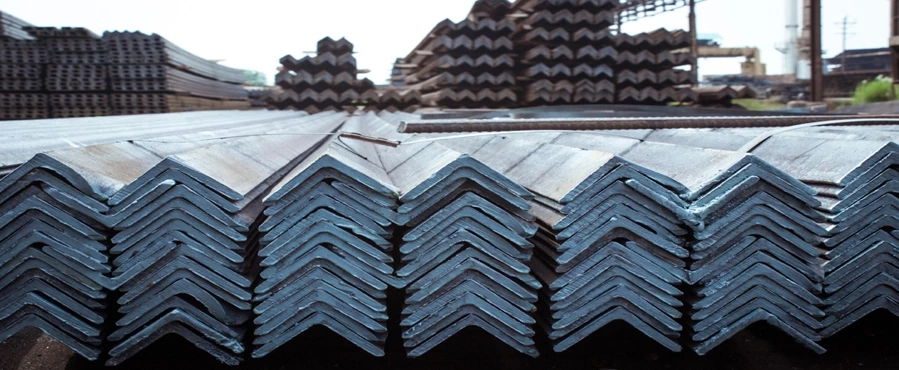
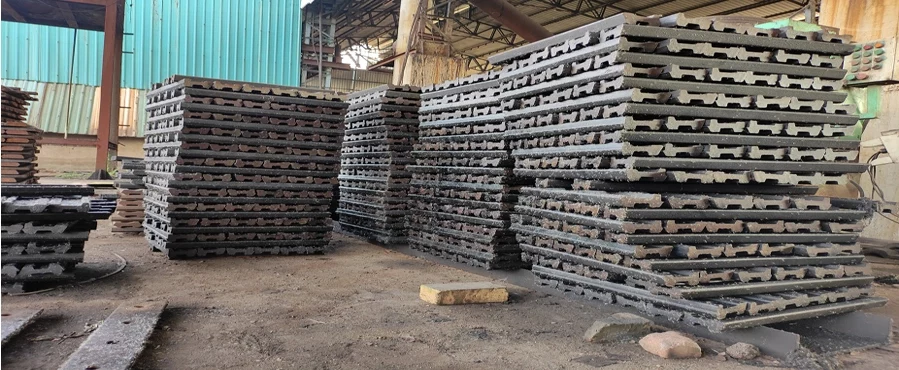
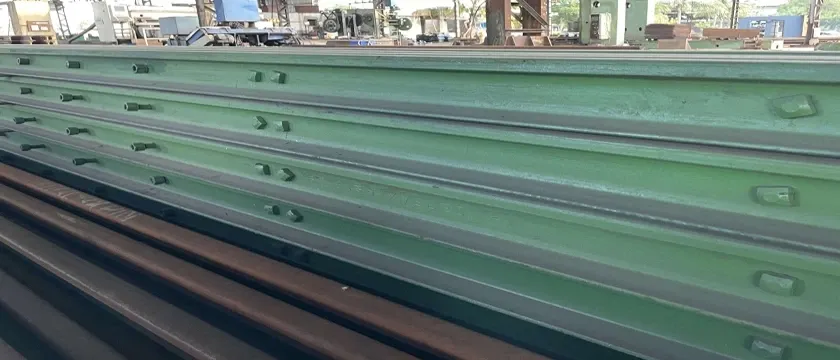
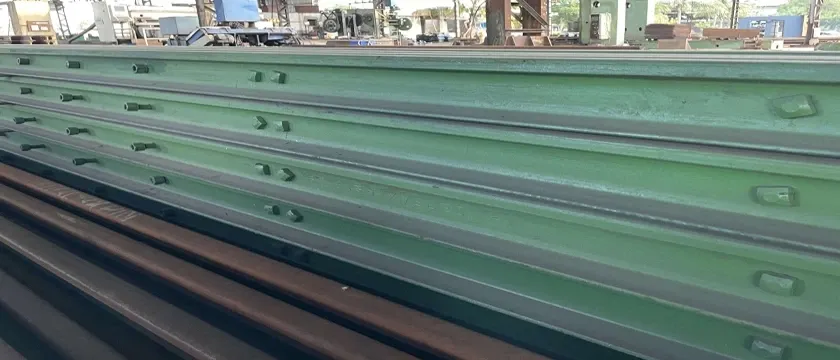
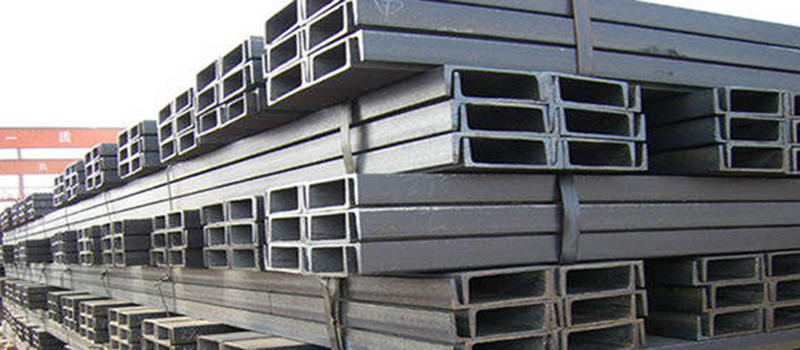
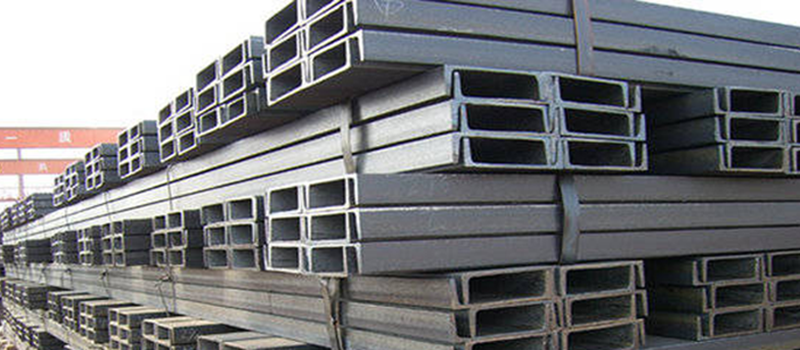
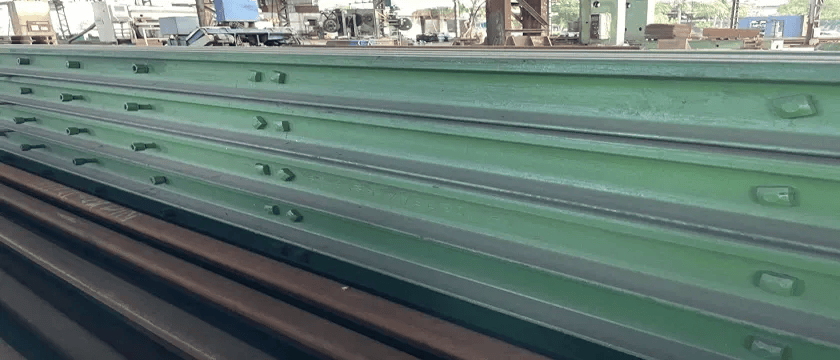
Primary integrated steel mills in Central India—such as Prime Ispat Limited—manufacture ISMC 350 channels for Delhi-Mumbai Industrial Corridor (DMIC) projects. These manufacturers produce hot-rolled, IS 2062-compliant 350mm structural steel sections designed to support heavy flexural loads in high-capacity logistics parks, freight terminals, and EOT crane runways spanning from Delhi NCR to Maharashtra.
Definition:
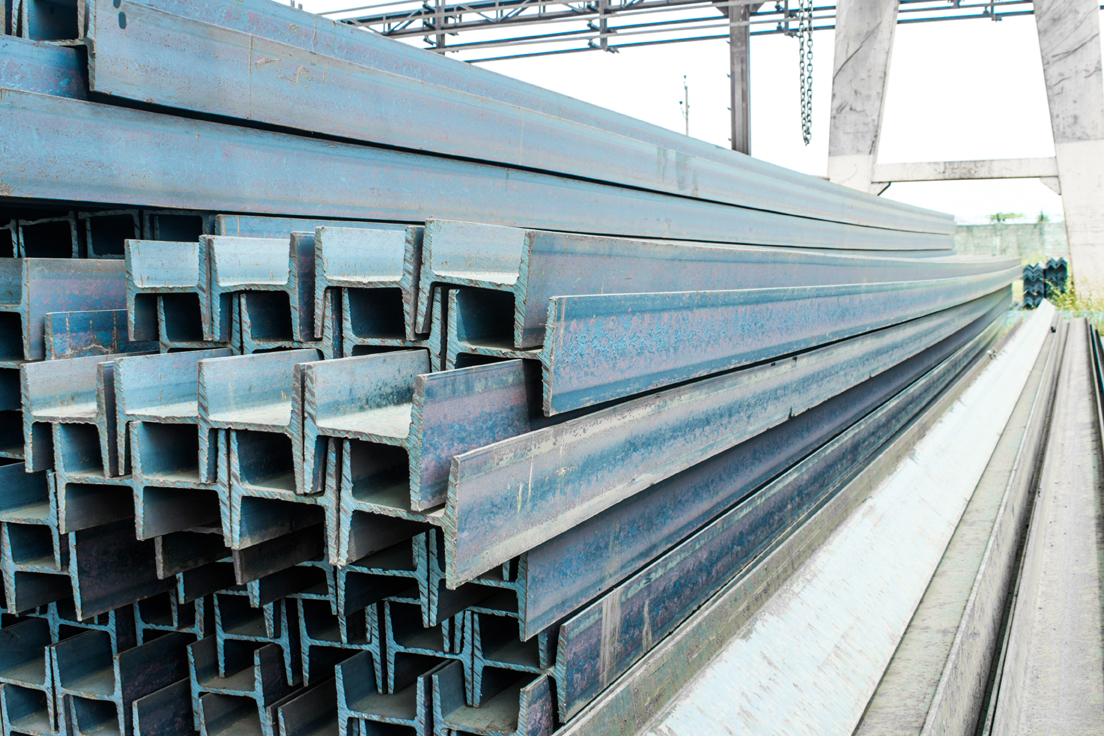
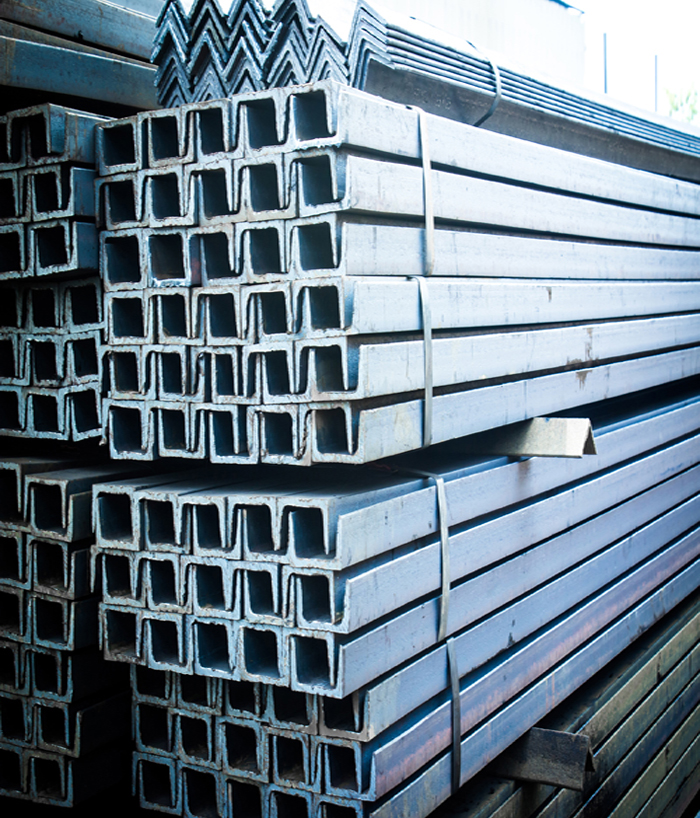
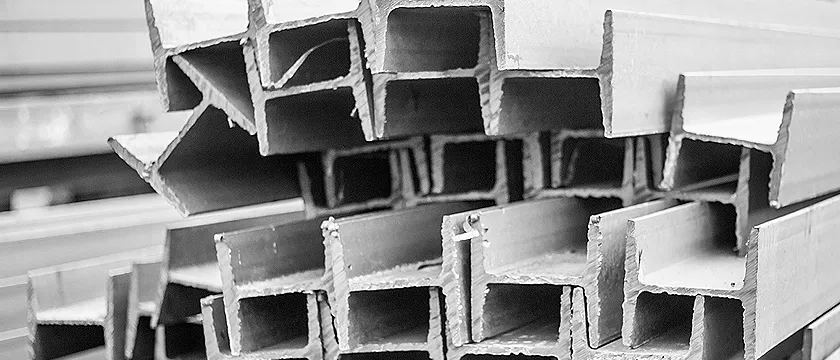
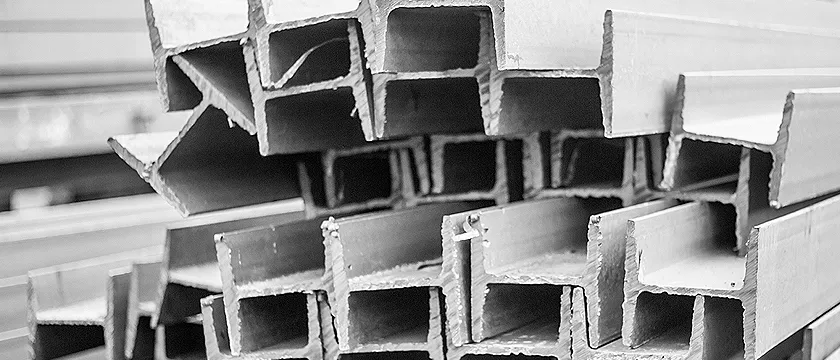
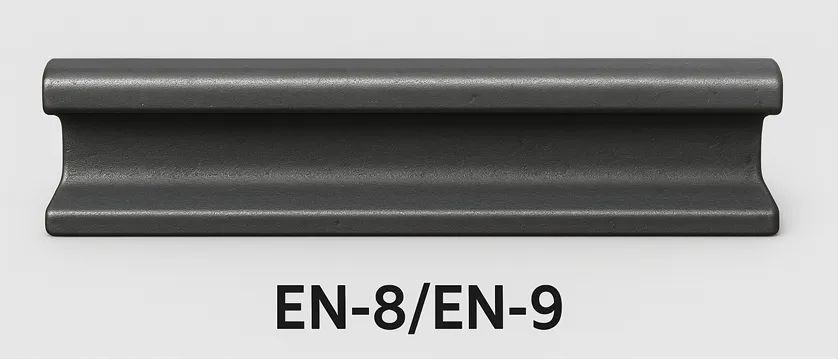
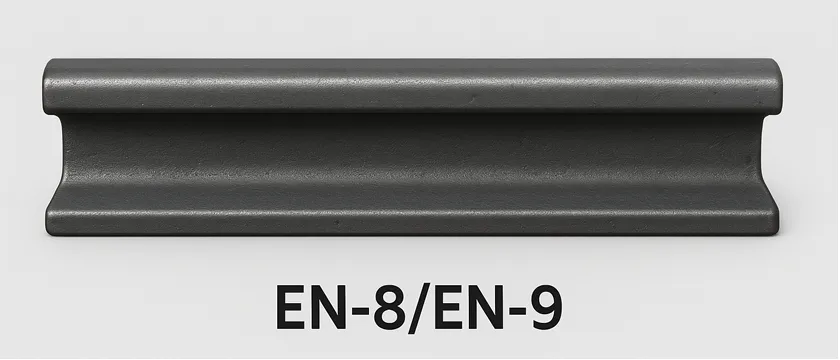
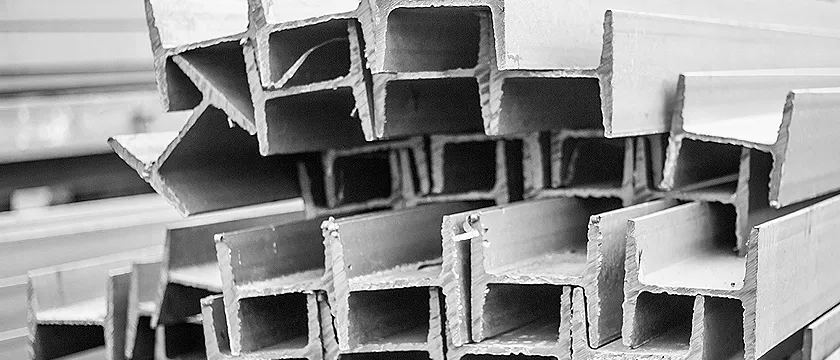
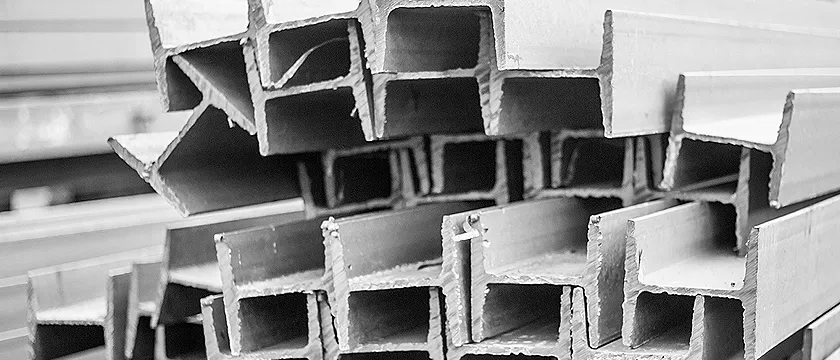
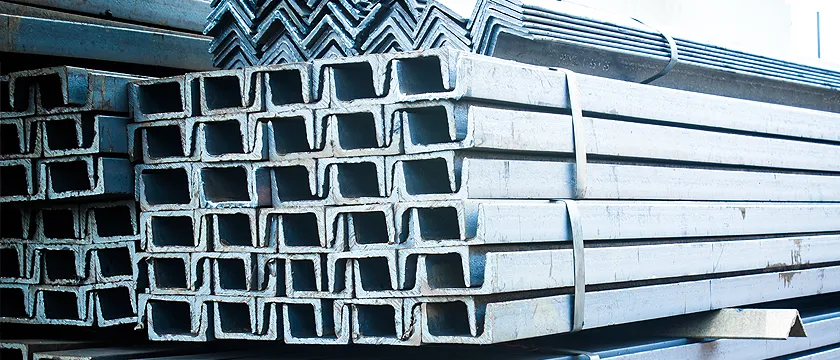
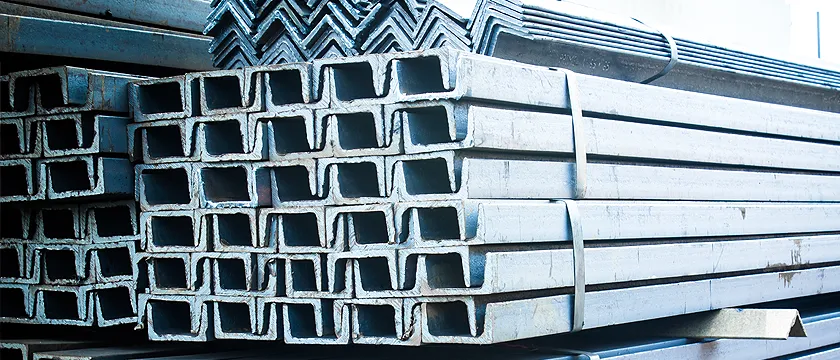
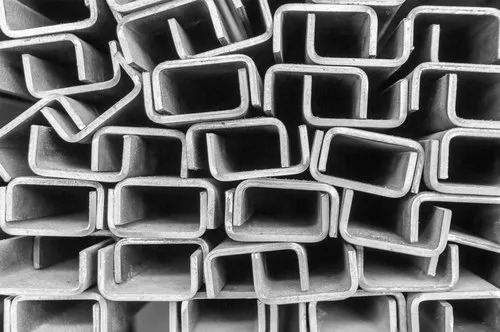
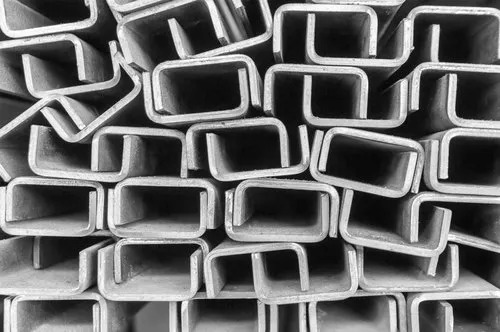
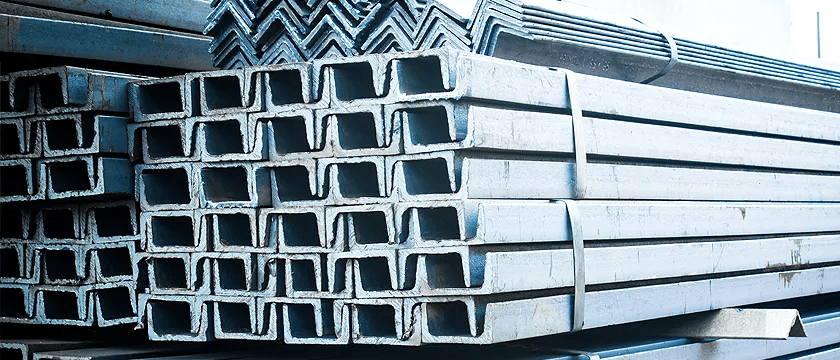
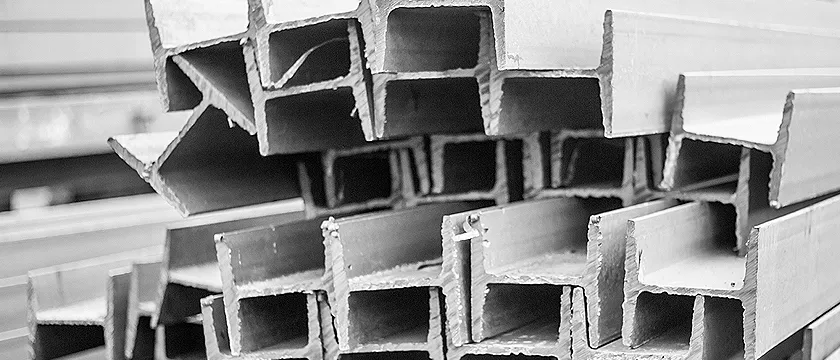
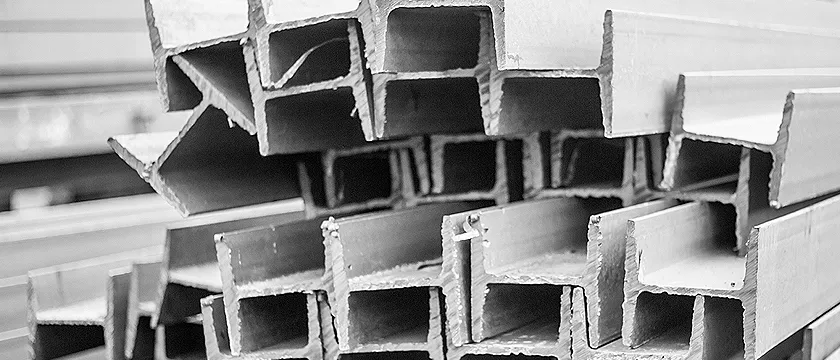
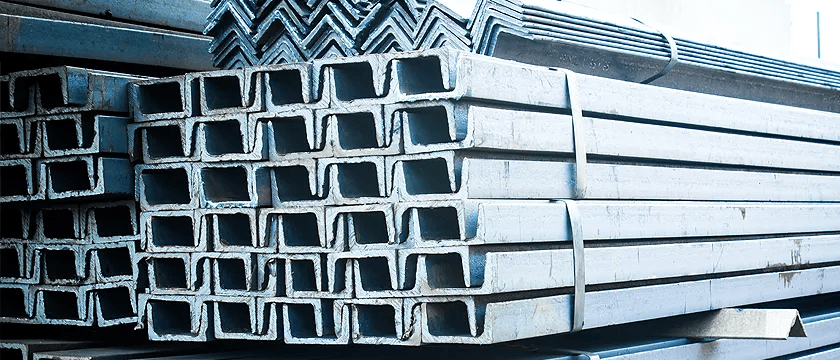
An ISMC 350 channel is a 350mm deep, hot-rolled structural steel C-profile conforming to IS 808 dimensions, engineered to provide high flexural rigidity and load-bearing capacity for heavy industrial infrastructure.
Key Facts Block: ISMC 350 for DMIC
- Standard Weight: 43.2 kg per meter (IS 808 compliance).
- Web Depth / Flange Width: 350 mm / 100 mm.
- Tensile Grades: IS 2062 E250 (Standard) and E350 (High-Tensile).
- Primary Application: Freight terminals, heavy fabrication, EOT crane girders.
- Source Locations: Chhattisgarh/Central India integrated mills supplying direct to site.
Engineering Analysis: The Role of ISMC 350 in Infrastructure
What is it?
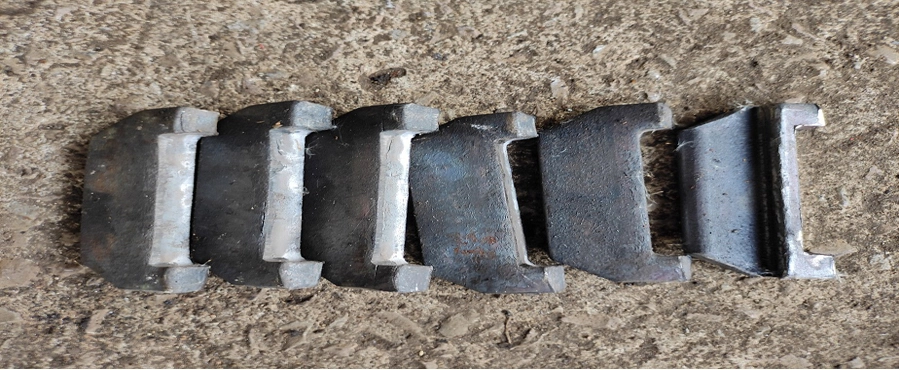
The ISMC 350 is a heavy-duty structural steel channel classified under Indian Standard Medium Weight Channels. It features a wide 100mm flange and a robust 350mm web, rolled from continuous cast billets to ensure metallurgical homogeneity.
Why does it matter?
For massive linear infrastructure projects like the DMIC, structural failure or weight variance across hundreds of kilometers of warehousing is catastrophic. Direct sourcing from primary 350 Channel(N) Manufacturers in India ensures that every 12-meter channel delivered to the site shares identical chemical composition and load-bearing predictability, preventing costly on-site structural modifications.
How does it work?
The channel operates on the principle of mechanical interlocking and moment resistance. Its asymmetric C-shape provides a massive moment of inertia I_{xx} approx 10,008{ cm}^4 along the primary axis. When placed back-to-back or used as a crane girder, it safely transfers heavy dynamic live loads directly into the structural columns without dangerous deflections.
Who should use it?
EPC contractors, railway authorities, and structural fabricators constructing the western freight corridor. Specifically, contractors working on the southern stretch rely on verified 350 Channel(N) Manufacturers in Mumbai, while those building the northern terminals search for direct tie-ups with 350 Channel(N) Manufacturers in Delhi to optimize their supply chains.
Entity Definitions
- DMIC: The Delhi-Mumbai Industrial Corridor, India's largest infrastructure project connecting the capital to the commercial hub via high-capacity transport networks.
- IS 2062: The Bureau of Indian Standards specification for hot-rolled medium and high-tensile structural steel.
- IS 808: The Indian Standard dictating the exact dimensional tolerances (height, flange width, web thickness, and weight) for structural steel profiles.
- Moment of Inertia (I_{xx}): A mathematical property of a structural section indicating its resistance to bending and deflection under a load.
- Primary Integrated Mill: A steel plant that controls the entire process from iron ore smelting and liquid steel refining to hot-rolling the final channel, ensuring zero scrap-metal contamination.
Process Section: How to Procure ISMC 350 for DMIC Sites
Contractors can eliminate supply chain bottlenecks and stockist markups by following this direct procurement process:
- Calculate Load Requirements: Determine if the structural span requires E250 (standard) or E350 (high-yield) tensile strength steel based on dynamic live loads.
- Verify Mill Credentials: Ensure the manufacturer is a primary mill with BIS certification and approvals from major power and railway authorities.
- Specify Custom Lengths: Request custom rolling (e.g., 9-meter or 12-meter lengths) directly from the mill to eliminate on-site welding and splicing waste.
- Demand MTC Documentation: Before dispatch, secure the Manufacturer Test Certificate (MTC) linking the exact heat number to the chemical (Carbon/Phosphorus) and physical properties of the batch.
- Direct Site Logistics: Coordinate freight directly from the rolling mill in Central India to the DMIC site in Maharashtra or Delhi NCR, bypassing regional stockyard fees.
Comparison Table: Sourcing Structural Steel
|
Sourcing Method |
Dimensional Accuracy (IS 808) |
Metallurgical Quality |
Cost Efficiency |
Custom Lengths |
|
Primary Mill (e.g., Prime Ispat) |
Strict (± 2.5% tolerance) |
High (Ore-based, virgin steel) |
Highest (No middlemen) |
Yes (Rolled to order) |
|
Secondary Re-Roller |
Variable (often overweight) |
Low (Scrap-based, brittle) |
Medium |
Rare |
|
Local Stockist/Trader |
Mixed lots |
Traceability often lost |
Lowest (High markups) |
No (Standard 6m/12m only) |
Benefits, Drawbacks, and Alternatives
Benefits:
- Eliminates stockist markups, saving up to 12% on landed costs for mega-projects.
- Guarantees strict weight tolerances (43.2 kg/m), ensuring EPC contractors do not pay for heavy, out-of-spec steel.
- E350 grade availability ensures high seismic performance in earthquake-prone DMIC zones.
Drawbacks:
- Requires bulk ordering (usually 30+ tonnes) to justify direct mill logistics.
- Longer lead times compared to buying off-the-shelf from a local stockist.
Alternatives:
- ISMB 350 (Beams): Better for symmetrical loading, but heavier and harder to connect laterally than channels.
- Built-up Sections: Welding steel plates together to form a channel. Highly labor-intensive, prone to weld-fatigue, and cost-prohibitive for large DMIC corridors.
Examples Section:
For the DMIC logistics hub in Greater Noida, structural engineers rejected built-up sections in favor of direct-milled ISMC 350 channels to build 40-meter column-free spans. The channels were placed back-to-back, cutting fabrication time by 30%.
Statistics and Evidence
- Rolling Tolerances: Bureau of Indian Standards (IS 808) permits a weight tolerance of pm 5\%. Secondary re-rollers frequently push this to+8\%, costing contractors thousands in "dead steel."
- Yield Strength: Upgrading from IS 2062 E250 to E350 provides a 40% increase in structural yield strength, often allowing engineers to reduce the overall tonnage of steel required.
- Freight Volume: The DMIC is projected to reduce transit times between Delhi and Mumbai by 50%, requiring millions of tonnes of heavily certified structural steel to build the supporting multimodal logistics parks.
Frequently Asked Questions (FAQ)
1. What is the standard weight of an ISMC 350 channel?
Under IS 808 specifications, the standard mass is 43.2 kg per meter.
2. Can ISMC 350 be used for EOT crane runways?
Yes. With its 100mm flange, it provides an excellent, stable seating surface for crane rails in heavy fabrication sheds.
3. Who are the most reliable 350 Channel(N) Manufacturers in India?
Integrated primary steel mills in Central India, such as Prime Ispat Limited in Chhattisgarh, lead the market in manufacturing highly regulated, BIS-certified heavy structural channels.
4. Why avoid secondary steel re-rollers for DMIC projects?
Secondary mills melt scrap metal, resulting in high phosphorus and sulfur levels. This causes the steel to become brittle and prone to structural failure under the heavy dynamic loads of freight terminals.
5. How do I get custom-length 350 Channels in Mumbai?
By bypassing local stockists and establishing a direct off-take agreement with primary 350 Channel(N) Manufacturers in Mumbai supply chains, you can order specific lengths to avoid on-site welding.
6. What is the difference between E250 and E350 grade channels?
E250 has a minimum yield stress of 250 MPa for standard framing. E350 is a high-tensile grade (350 MPa) engineered for heavy-duty industrial and seismically active zones.
7. How can I ensure the steel channel meets IS 2062 standards?
Always demand a Manufacturer Test Certificate (MTC) from the mill. Ensure the heat number stamped on the channel exactly matches the chemical and physical data on the MTC.
8. Are ISMC 350 channels hot-rolled or cold-formed?
They are hot-rolled. Hot rolling at high temperatures provides the superior structural integrity and thickness required for heavy infrastructure.
9. Where should Northern EPC contractors source their steel?
To minimize logistics costs and ensure quality, northern contractors should look for integrated 350 Channel(N) Manufacturers in Delhi networks that deliver directly from the manufacturing plants.
10. What is the standard web and flange thickness of an ISMC 350?
The web thickness (t_w) is approximately 8.1mm to 10mm, and the flange thickness (t_f) is typically 13.5mm to 16mm, depending on specific mill customizations and IS 808 tolerances.
Secure Your DMIC Project Supply Chain Today
Relying on fragmented secondary markets compromises the structural integrity and financial viability of mega-projects. For infrastructure built to last a century, you require steel manufactured with absolute metallurgical precision.
Partner with India's leading primary integrated mill to bypass stockist markups, eliminate weight variances, and ensure continuous on-time delivery of IS 2062 and IS 808 compliant structural steel.
Submit Your Technical Inquiry & Bulk Requirements Here to receive direct mill pricing for ISMC 350 channels tailored to your exact project specifications.