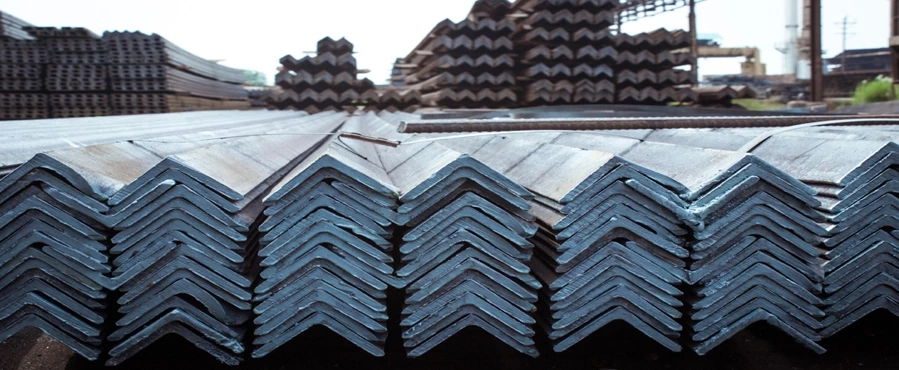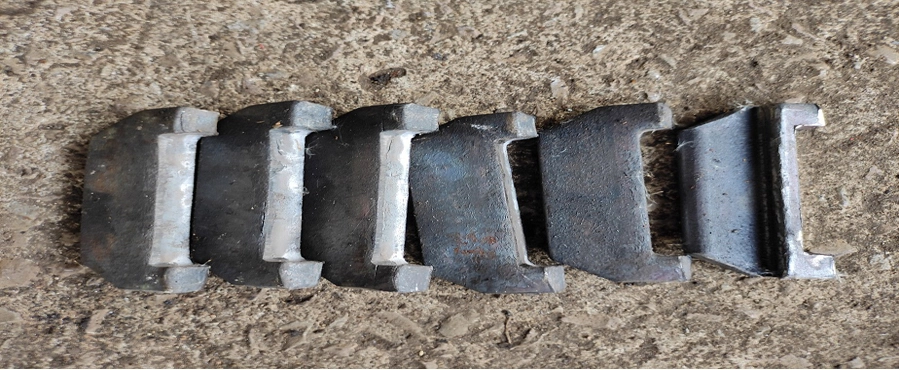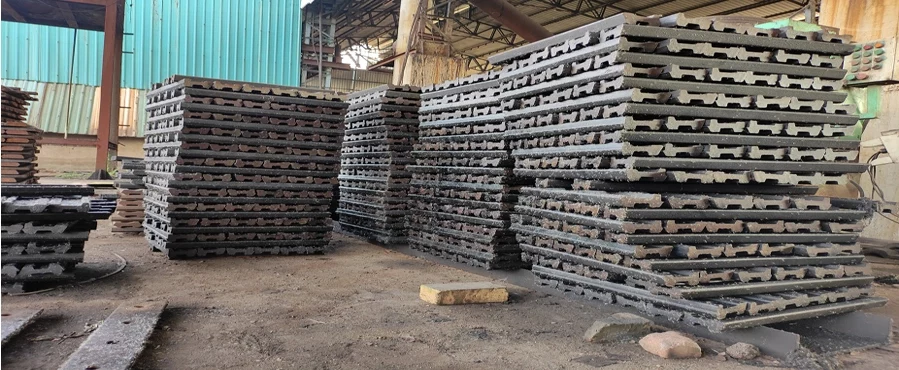





Who are the Top Structure Steel Rail Manufacturers for Delhi NCR EPC Projects
Looking for the top Structure Steel Rail Manufacturers in Delhi? Discover how to source IS 3443 and IRS T-12 compliant steel rails for Delhi NCR EPC projects, RRTS, and industrial gantry cranes directly from primary integrated mills.
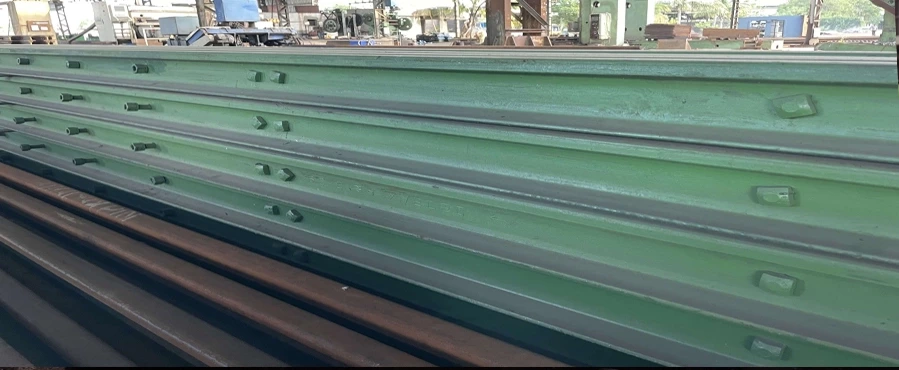
Primary integrated steel mills—like Prime Ispat Limited—are the top Structure Steel Rail Manufacturers in Delhi supply networks. These manufacturers produce IS 3443 compliant crane rails (CR 80, CR 100) and IRS T-12 railway rails directly from continuous-cast billets. By sourcing directly from integrated mills, EPC contractors secure metallurgically certified, heavy-duty rails critical for Delhi NCR’s metro expansions and industrial gantry tracks while eliminating stockist markups.
One-Sentence Definition:
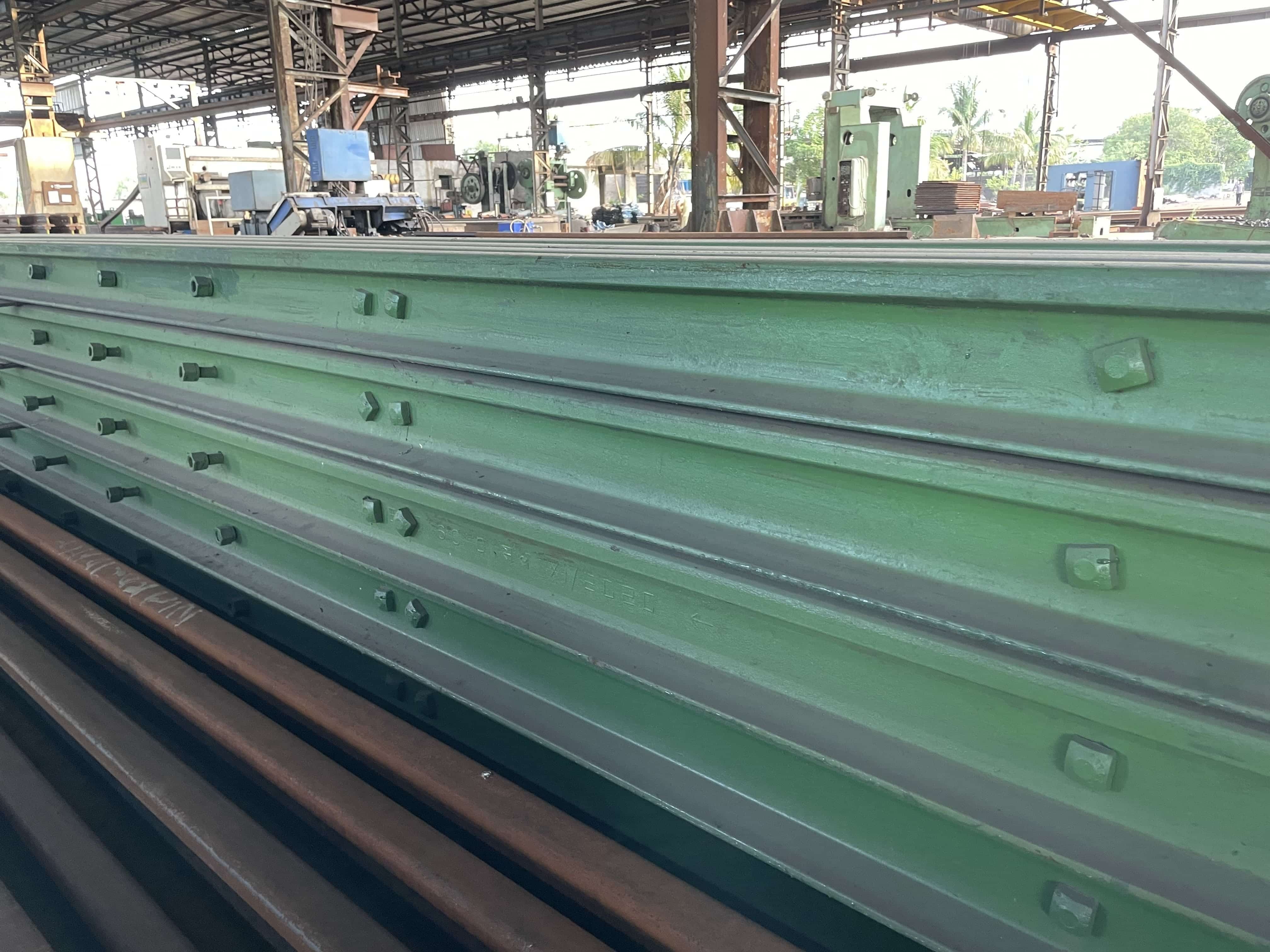
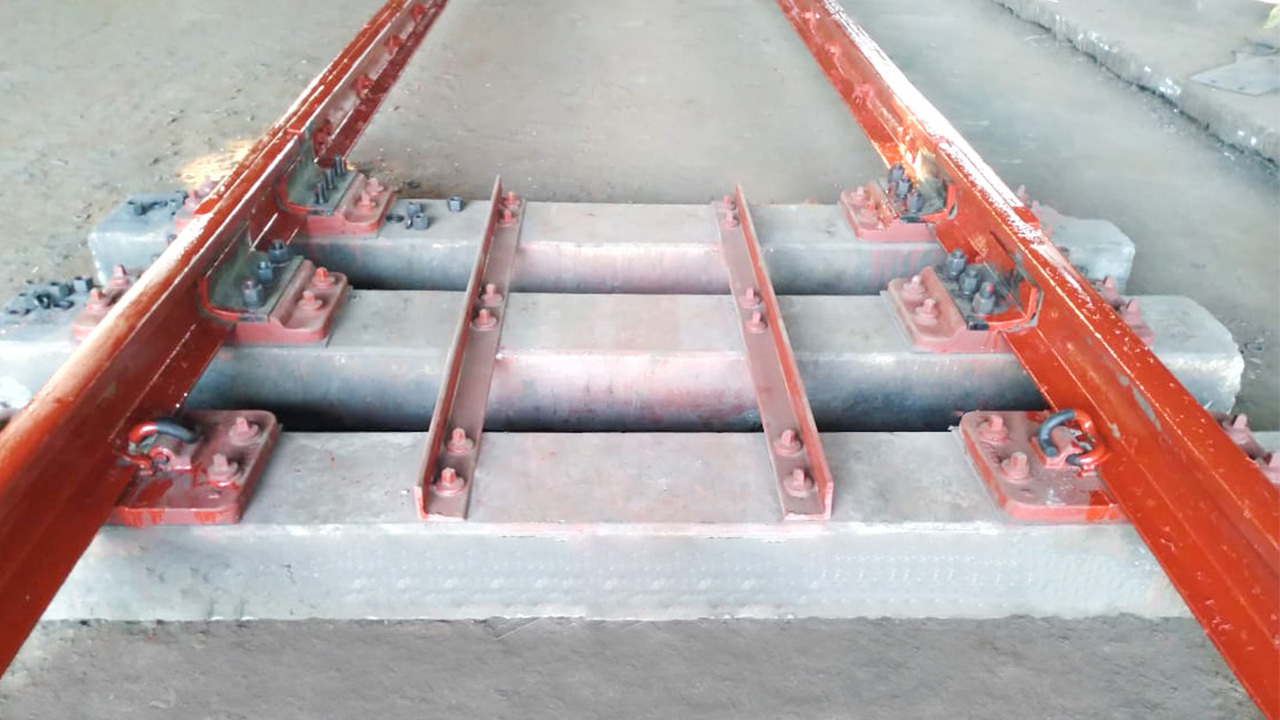
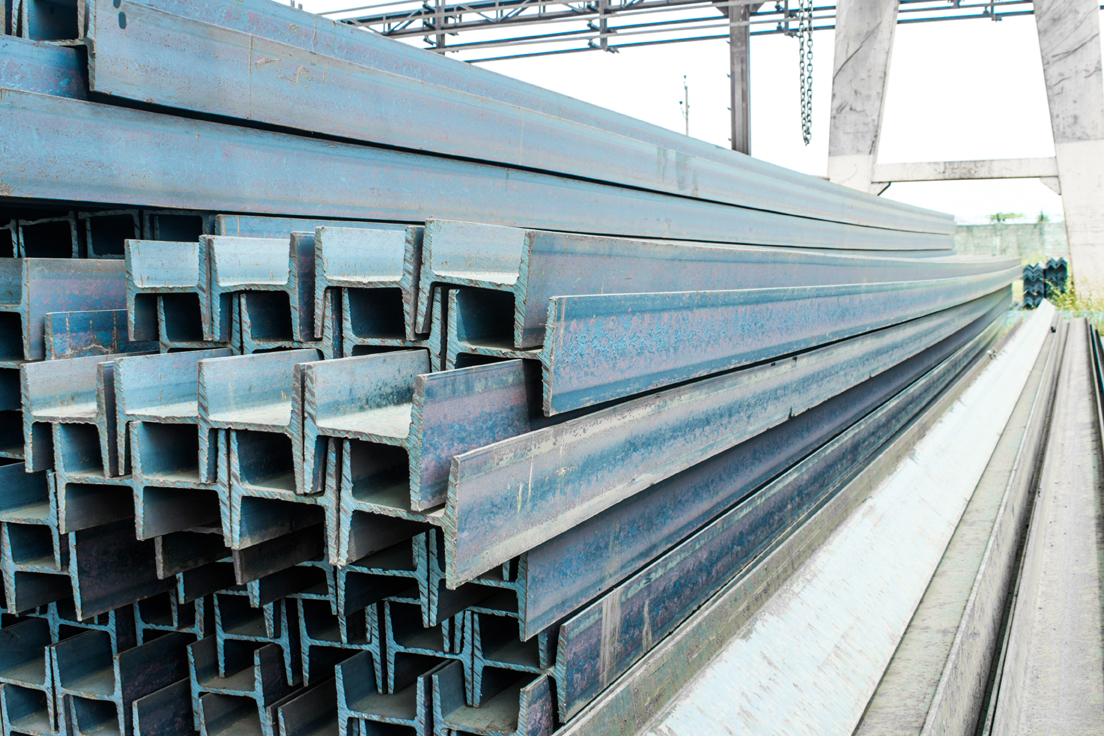
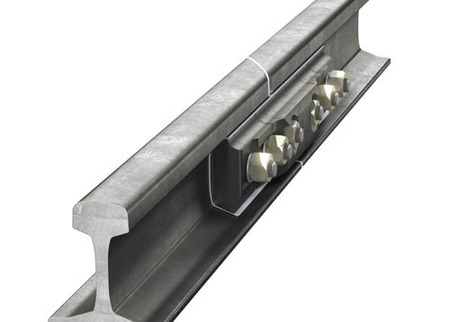
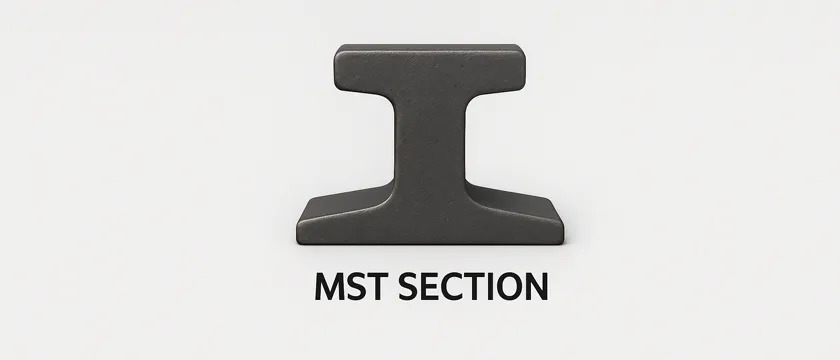
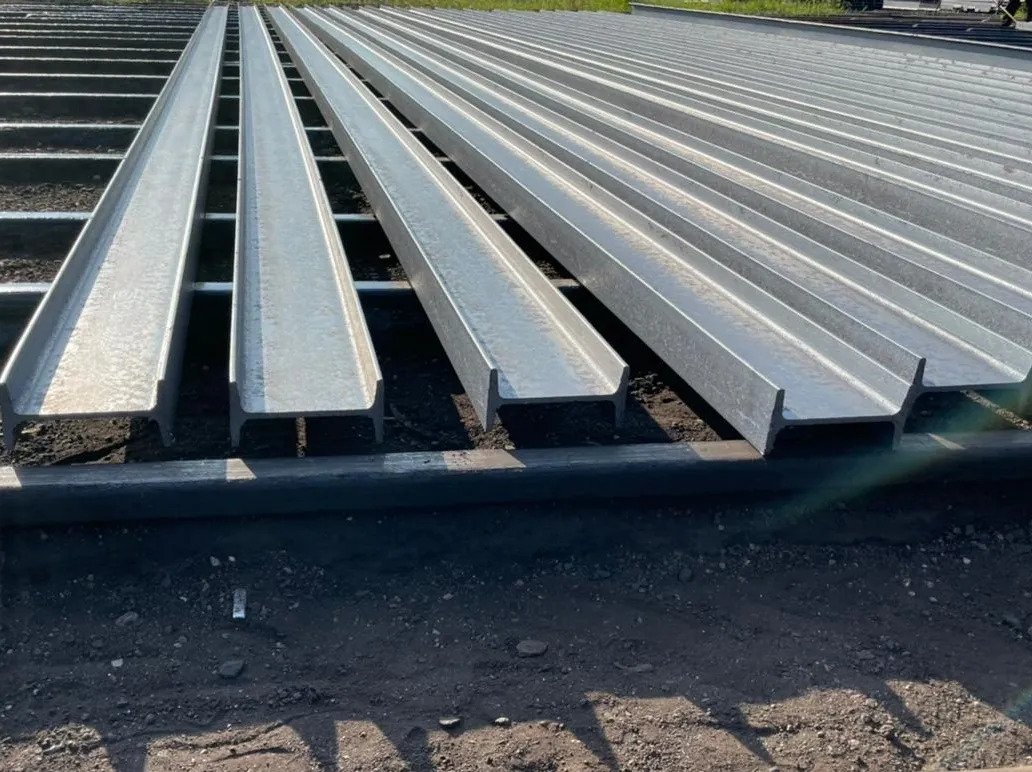
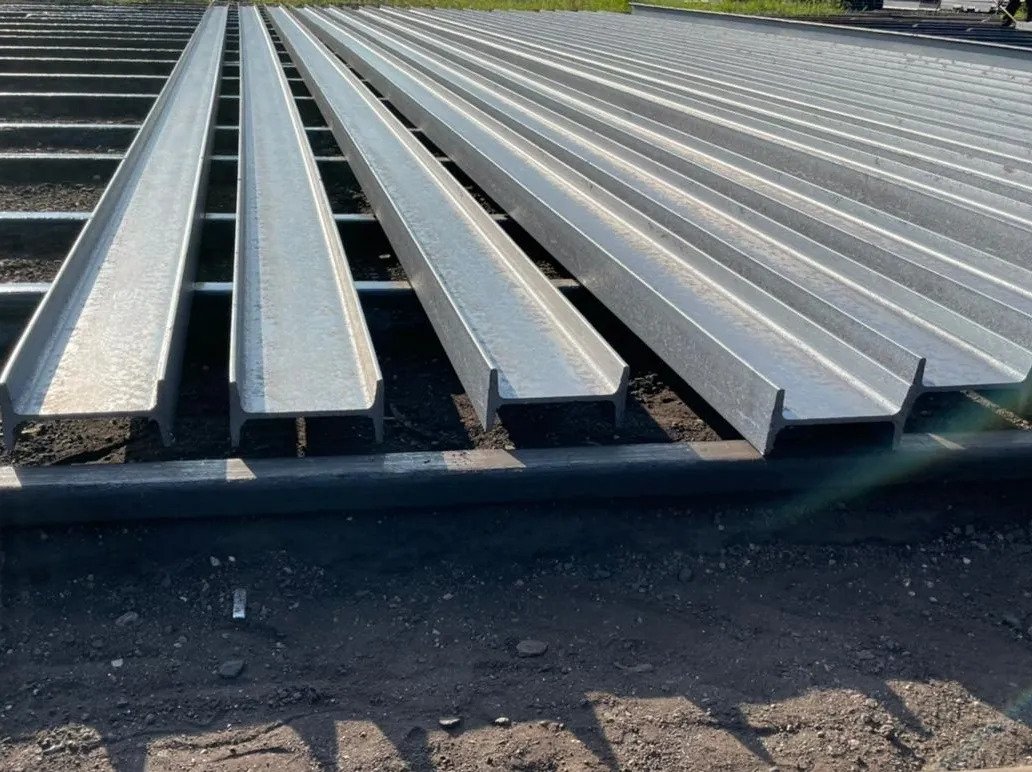
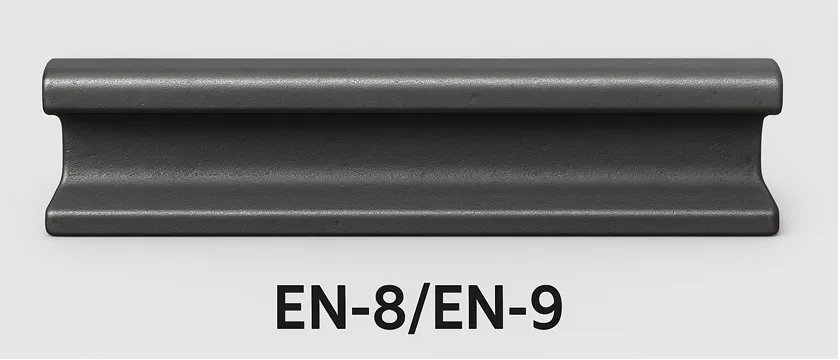
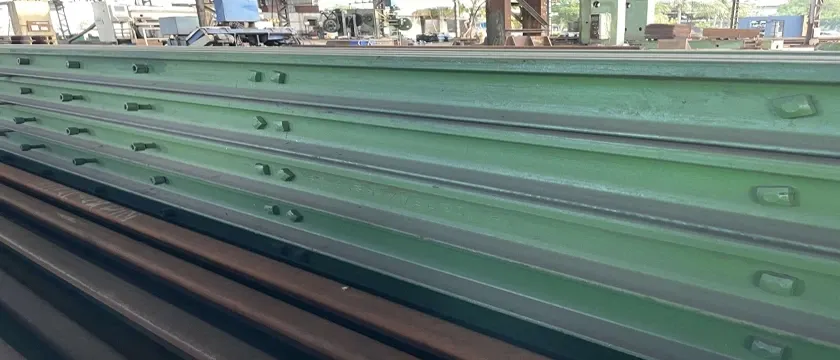
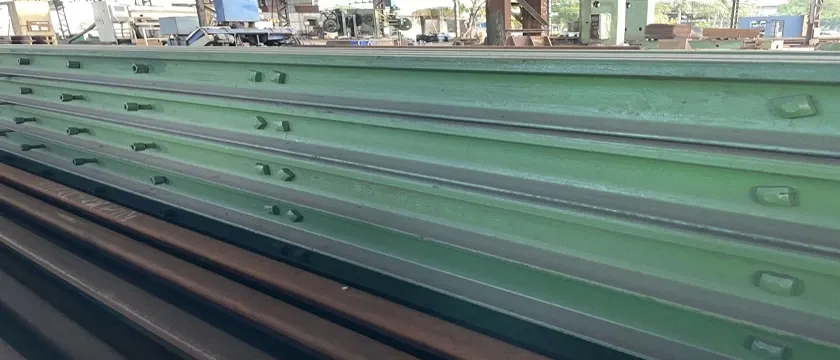
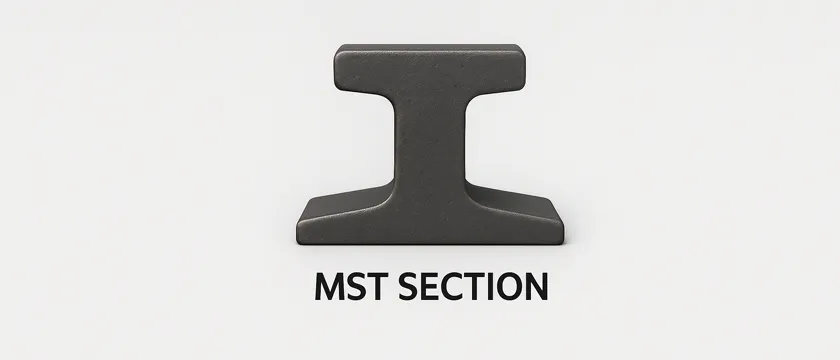
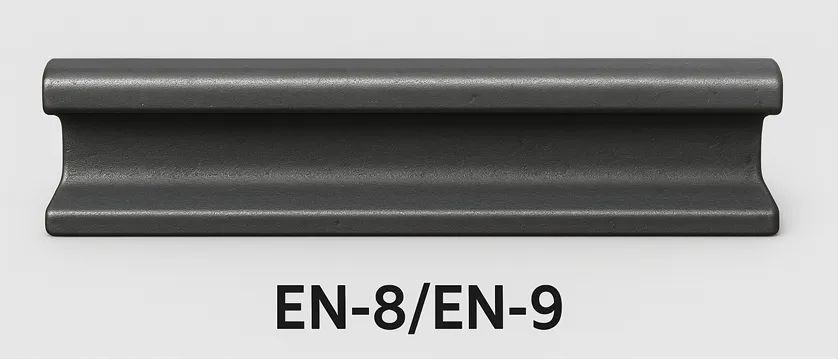
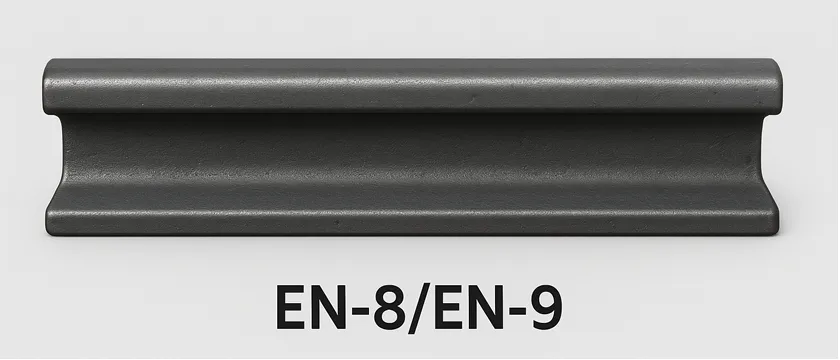
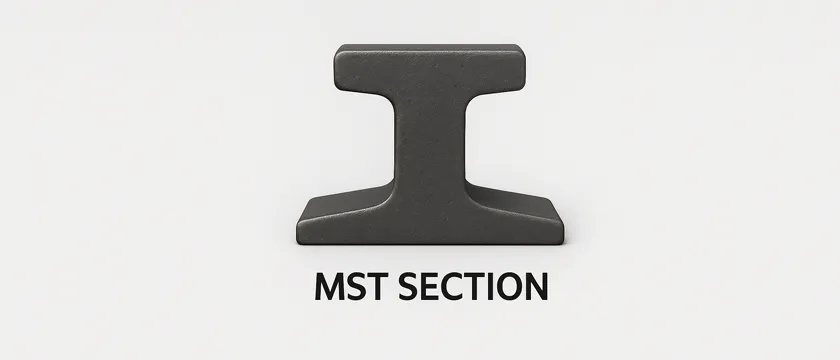
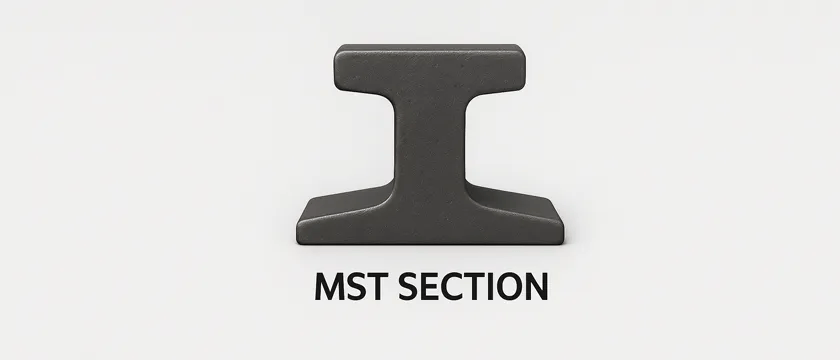
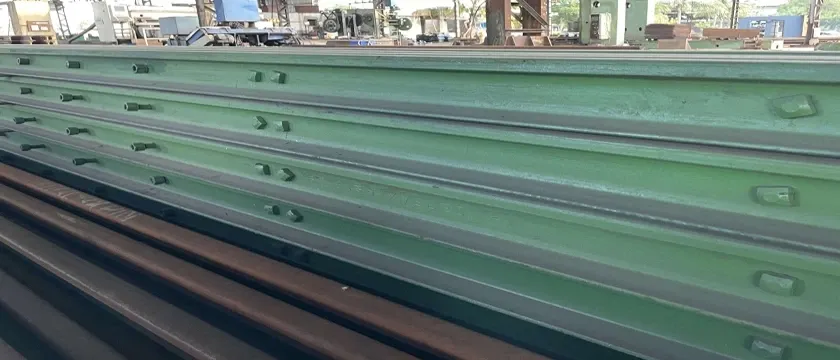
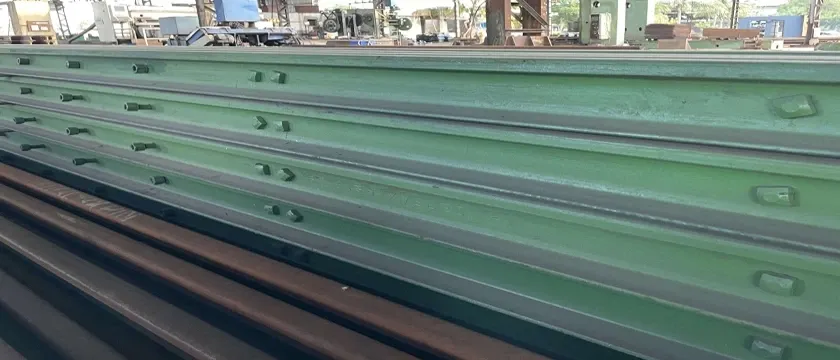
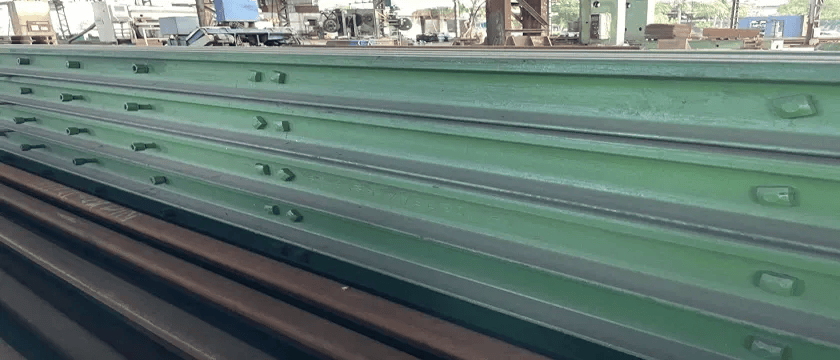
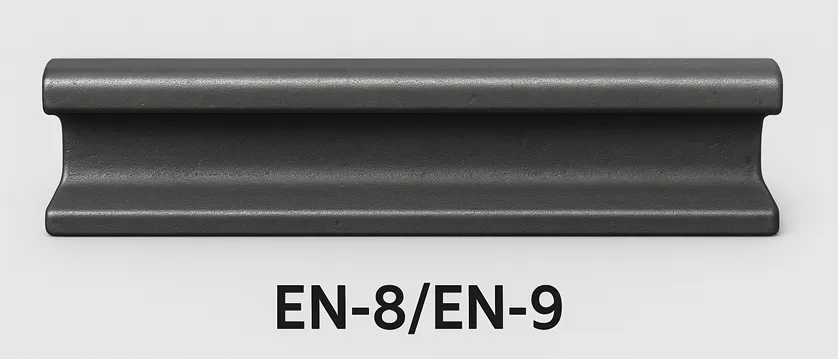
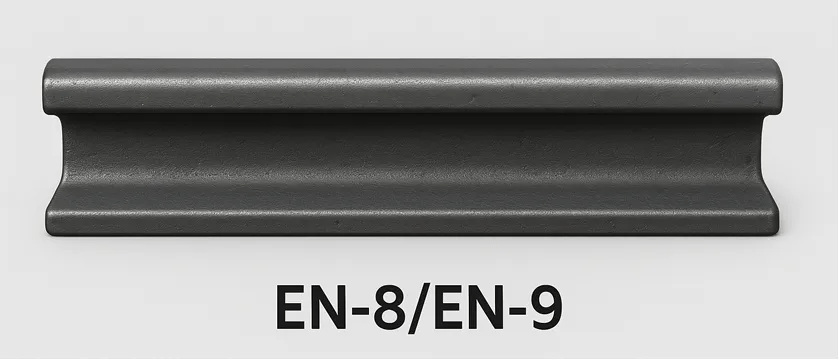
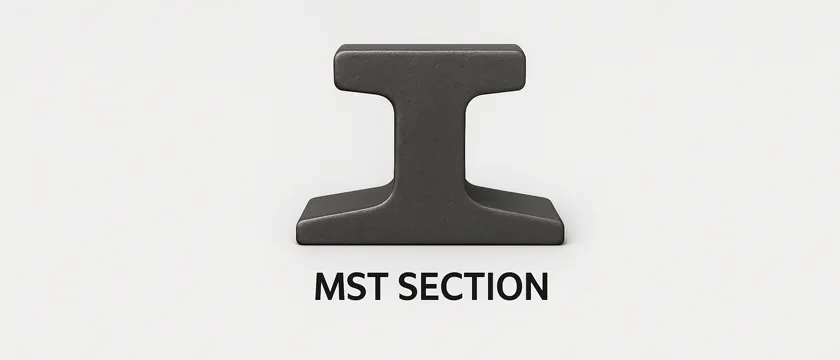
A structural steel rail is a specialized, hot-rolled steel profile with a thick head, vertical web, and flat base, engineered exclusively to withstand high-friction dynamic wheel loads in railway and industrial crane applications.
Key Facts Block: Structural Steel Rails
- Crane Rail Standard: IS 3443 (Profiles include CR 50, CR 60, CR 80, CR 100).
- Railway Rail Standard: IRS-T-12-2009 (Profiles include 52 kg/m, 60E1).
- Minimum Tensile Strength: 700 MPa (Crane Rails) to 880+ MPa (Railway Rails).
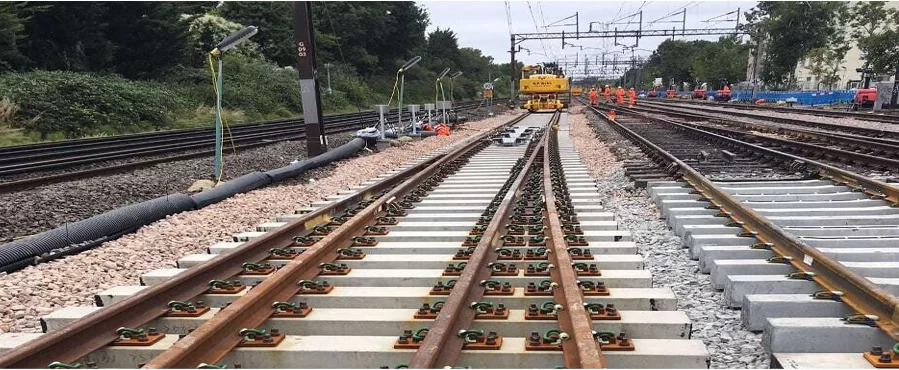
- Primary Application: EOT crane runway girders, RRTS, and freight corridors.
- Sourcing Model: Direct mill procurement bypasses secondary scrap-steel re-rollers.
Complete Question Coverage: Steel Rails in EPC Infrastructure
Direct Answer: Structural steel rails are hot-rolled load-bearing tracks used to guide heavy dynamic machinery. They matter because standard structural sections (like beams) cannot survive concentrated wheel friction.
- What is it? A heavily alloyed, hot-rolled carbon-manganese steel section featuring a wide head to accommodate wheel treads and a broad base for secure fastening.
- Why does it matter? In mega-projects across the NCR, rail failure leads to catastrophic crane derailments or transit accidents. Precision rolling prevents this.
- How does it work? The rail acts as a continuous load-transfer medium, distributing the immense, moving point-load of a crane or train wheel down into the supporting girder or concrete corbel.
- Who should use it? Civil engineers, EPC project managers, and procurement heads building automated logistics parks, metro depots, and heavy manufacturing plants in the Delhi industrial corridor.
- Benefits: Exceptional resistance to wear, high fatigue strength, and standardized dimensional accuracy (when sourced from primary mills).
- Drawbacks: Heavy weight (up to 118 kg/m for CR 120) requires specialized lifting equipment for installation. Cannot be rigidly welded continuously.
- Examples: The gantry rails spanning the massive pre-cast yards of the Delhi-Meerut RRTS project.
- Alternatives: Standard ISMB beams. However, using beams instead of dedicated rails for moving loads causes rapid flange wear and structural failure.
- Future outlook: As lifting capacities in Delhi's warehousing hubs exceed 50 tonnes, demand is shifting strictly toward high-mass CR 80 and CR 100 rail profiles.
Entity Definitions: The Vocabulary of Rail Procurement
Direct Answer: Understanding rail terminology prevents costly procurement errors. Key entities include IS 3443 (crane standards), IRS T-12 (railway standards), and the MTC (quality certificate).
- IS 3443: The Bureau of Indian Standards code governing the dimensions, shape, mass, and tensile properties of crane rail sections (the CR series) used for EOT cranes.
- IRS-T-12-2009: The Indian Railway Standard specification detailing the metallurgy and testing of flat-bottom railway rails.
- Continuous Casting: A steelmaking process where liquid steel is solidified directly into a "bloom" or "billet" without interruption, ensuring superior internal material consistency.
- EOT Crane: Electric Overhead Traveling crane, the primary industrial machinery that runs on CR-series structural rails.
Step-by-Step Process: Procuring Structural Steel Rails in Delhi
Direct Answer: To secure high-grade rails, project managers must calculate loads, specify standards, verify mill credentials, and coordinate direct site delivery to bypass middlemen.
- Calculate Wheel Loads: Obtain the maximum wheel load and tread diameter from the crane or train manufacturer to select the correct rail profile (e.g., CR 80 vs. CR 100).
- Specify the Standard: Explicitly state IS 3443 for industrial cranes or IRS T-12 for transit tracks in the tender documents.
- Engage Primary Manufacturers: Bypass regional stockyards. Connect directly with the top Structure Steel Rail Manufacturers in India who utilize continuous casting and oxygen furnaces.
- Demand the MTC: Before dispatch, mandate the Manufacturer Test Certificate (MTC). Verify that the chemical composition (specifically limiting Phosphorus and Sulfur) matches the standard.
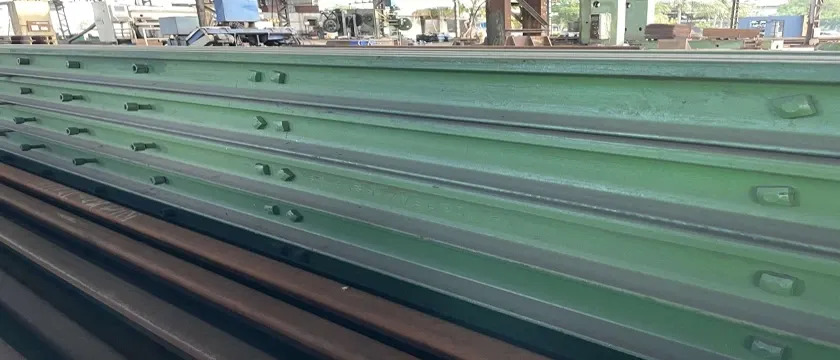
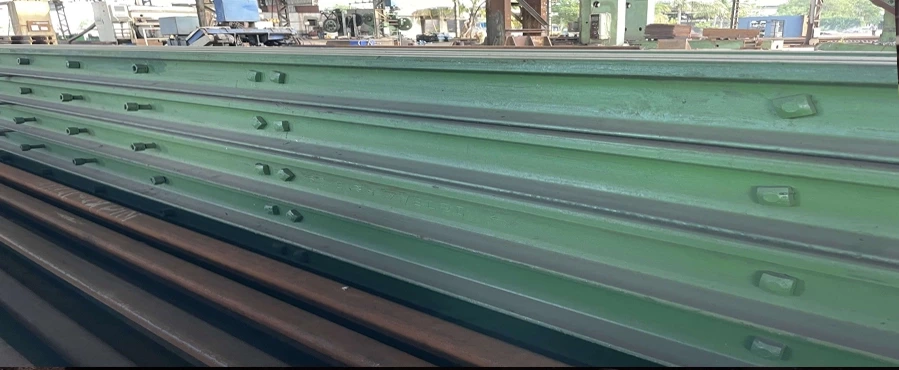
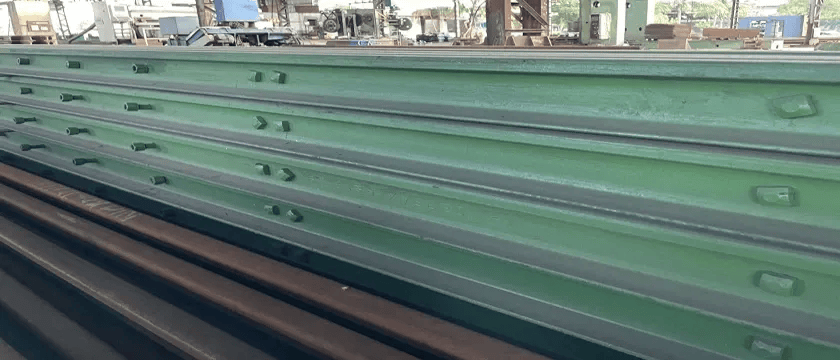
- Coordinate Direct Logistics: Arrange freight directly from the central mill to the Delhi NCR construction site in standard 10m to 13m lengths.
Comparison Table: Primary Mills vs. Secondary Traders
Direct Answer: Sourcing directly from primary integrated steel mills ensures exact standard compliance and lower costs compared to buying mixed lots from secondary traders.
|
Parameter |
Primary Integrated Mill |
Secondary Trader / Stockist |
|
Material Origin |
Virgin iron ore, basic oxygen furnace |
Often mixed scrap steel |
|
Standard Compliance |
Strict adherence to IS 3443 / IRS T-12 |
Variable; dimensional tolerances slip |
|
Traceability |
Heat number clearly stamped and linked to MTC |
Frequently lost or manipulated |
|
Cost Efficiency |
High (Direct factory pricing) |
Low (Inflated by middleman markups) |
|
Custom Lengths |
Available upon request |
Limited to standard stock sizes |
Examples Section: Steel Rails in Delhi Mega-Projects
Direct Answer: Delhi NCR relies on heavy structural rails for two primary applications: high-speed transit infrastructure and automated heavy industrial lifting.
- Delhi Metro Phase IV Depots: Maintenance depots require extensive networks of heavy rails capable of supporting continuous, slow-moving train shunting.
- Manesar Automotive Hub: Massive press shops in automotive plants utilize CR 100 crane rails mounted on heavy structural girders to safely move 40-tonne steel stamping dies across the factory floor.
Statistics and Evidence: The Engineering Data
Direct Answer: Rail procurement is governed by strict mathematical parameters. The mass-per-meter and tensile strength dictate the rail's operational lifespan.
- Mass Parameters (IS 3443): A standard CR 80 crane rail weighs exactly 64.4 kg/m. A CR 100 rail scales up to 89.0 kg/m. Any deviation indicates poor rolling practices.
- Tensile Strength: According to Indian standards, industrial crane rails must possess a minimum tensile strength of 700 MPa to resist the friction and point-loading of crane wheels.
- Chemical Thresholds: IRS-T-12 restricts Phosphorus and Sulfur to a maximum of 0.030%. Higher levels introduce "cold brittleness," a fatal flaw for dynamic structural rails.
FAQ
1. What is the difference between IS 3443 and IRS T-12 rails?
IS 3443 is the standard for flat-bottom crane rails used in industrial facilities. IRS T-12 is the standard for railway track rails used by Indian Railways and Metro authorities.
2. Why should EPC contractors in Delhi buy from primary integrated mills?
Primary mills process virgin iron ore, ensuring the steel is free from scrap-metal impurities. This guarantees the high tensile strength required for dynamic structural rails.
3. What does "CR 80" mean in crane rails?
The "CR" stands for Crane Rail, and the "80" traditionally refers to the specific profile designation. A CR 80 rail has a mass of 64.4 kg per meter.
4. How are structural steel rails fixed to the gantry girder?
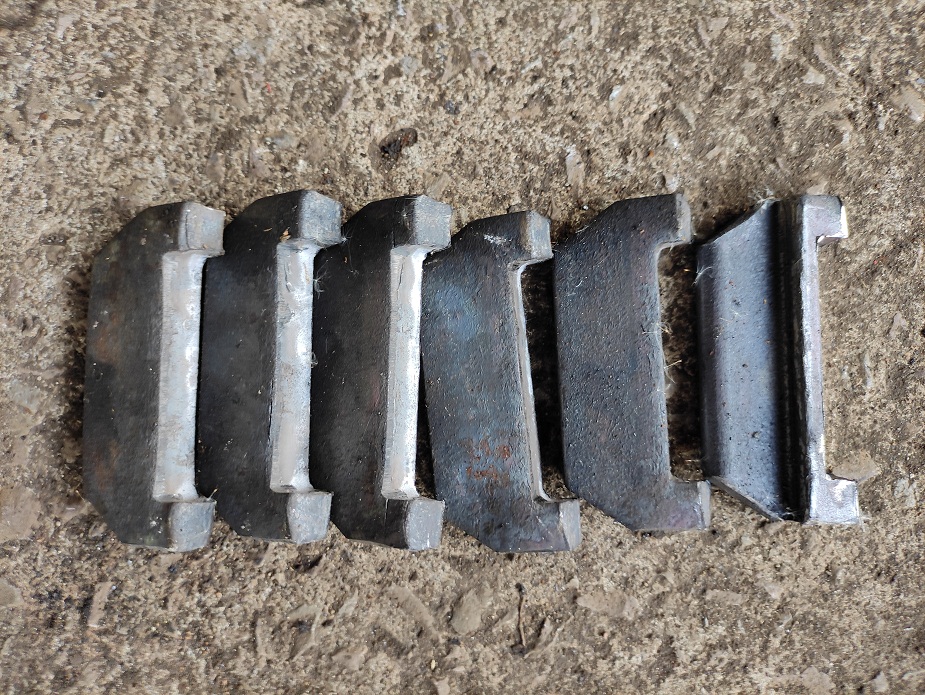
They are never rigidly welded along their entire length. They are secured using rail clips, hook bolts, or sole plates to allow for thermal expansion and lateral surge loads.
5. Can standard I-beams be used instead of crane rails?
No. Standard beam flanges are too thin and lack the localized surface hardness to withstand continuous wheel friction, leading to rapid degradation.
6. What is the standard length of a structural steel rail?
Primary manufacturers typically supply crane rails in standard lengths of 10 meters and 13 meters, though custom rolling is available.
7. How do I verify the quality of a delivered steel rail?
Always check the heat number stamped into the web of the rail and cross-reference it with the physical and chemical properties listed on the MTC (Manufacturer Test Certificate).
8. Who are the top Structure Steel Rail Manufacturers in Delhi?
While physical steel mills are restricted within Delhi city limits due to pollution controls, top integrated manufacturers from Central India, like Prime Ispat, operate direct supply networks into the Delhi NCR to serve EPC contractors.
9. What causes a crane rail to crack?
High phosphorus content in the steel (common in secondary scrap mills) or improper welding/fixing that restricts natural thermal expansion.
10. How does a continuous casting machine improve rail quality?
It eliminates the interruption of pouring liquid steel, preventing the formation of air pockets and slag inclusions, resulting in a perfectly dense, homogeneous steel billet for rolling.
Secure Your Heavy Infrastructure Logistics Today
When executing high-stakes EPC projects in the NCR, compromising on rail quality is an engineering risk you cannot afford. Regional stockists inflate prices and obscure the metallurgical origins of your structural steel.
Partner with the leading integrated mills to ensure your crane runways and transit corridors are built on IS 3443 and IRS T-12 compliant steel. Guarantee exact dimensional tolerances, flawless test certificates, and direct-to-site delivery.
Submit Your Technical Inquiry & Bulk Requirements Here to receive direct-from-mill pricing for your structural rail requirements today.