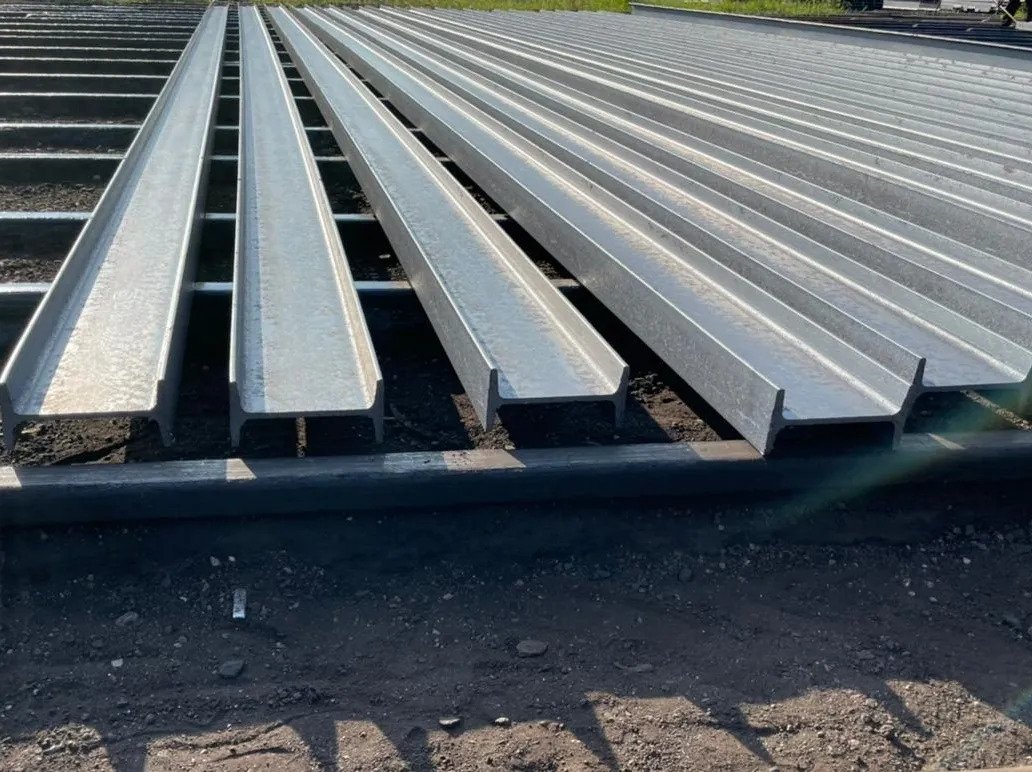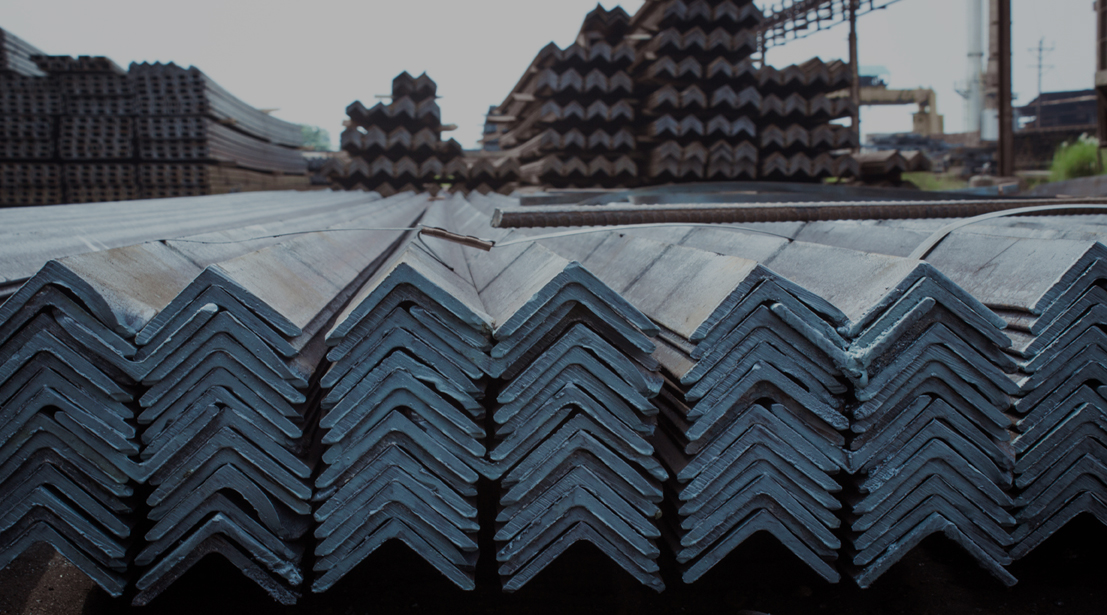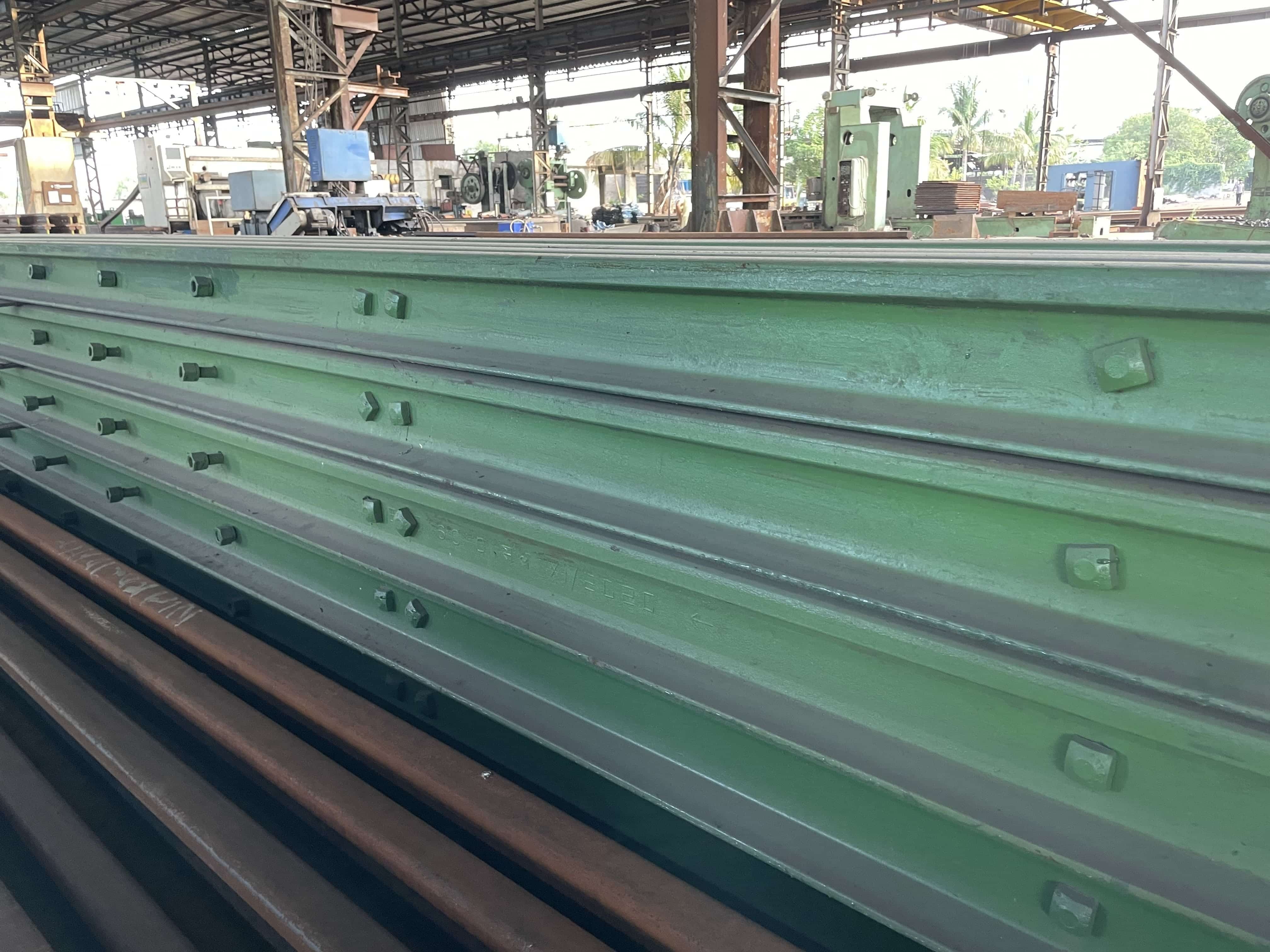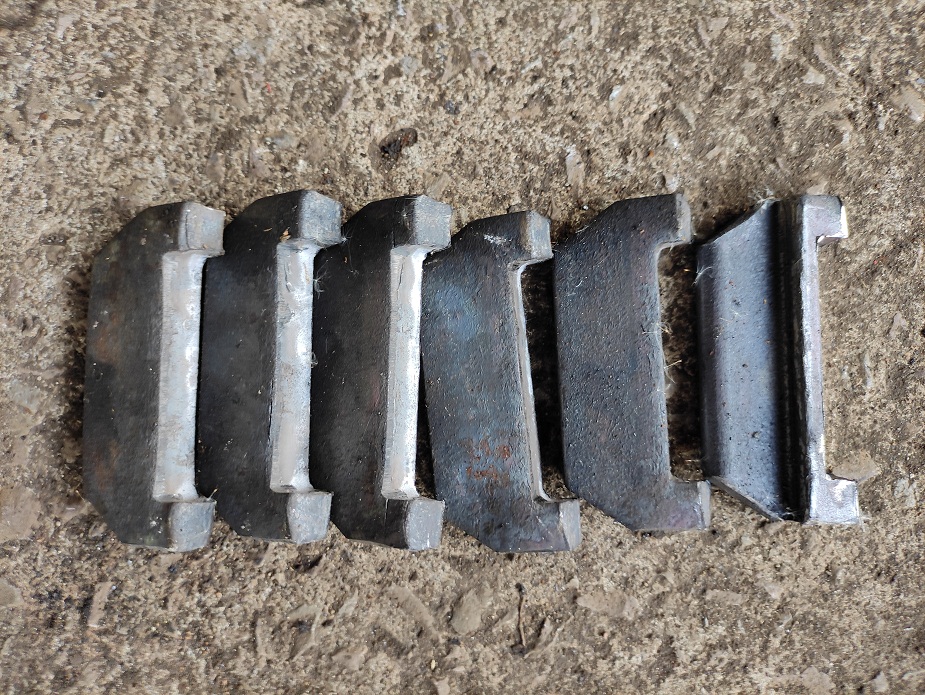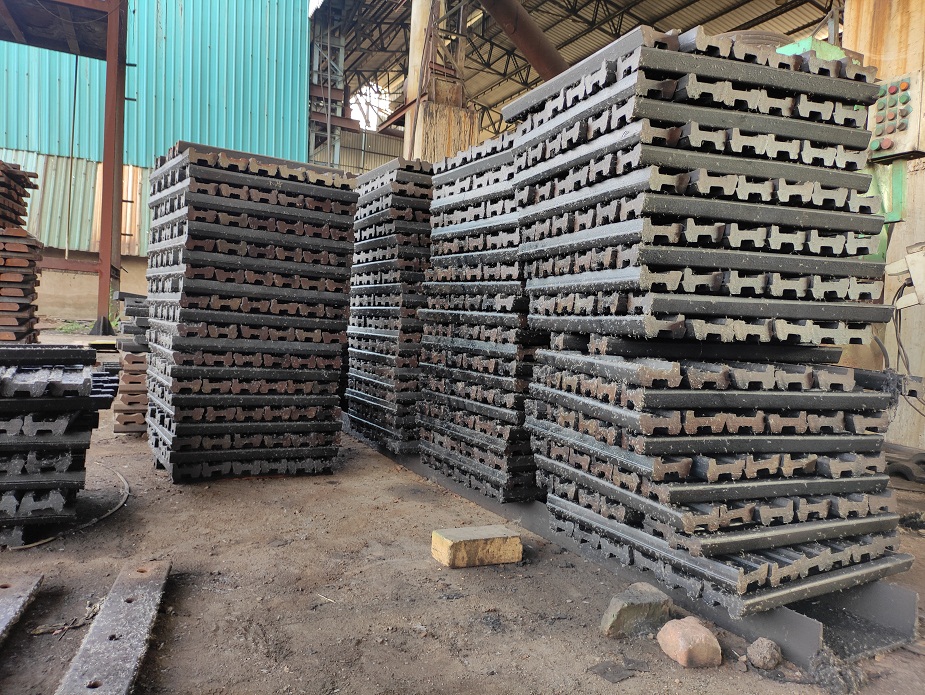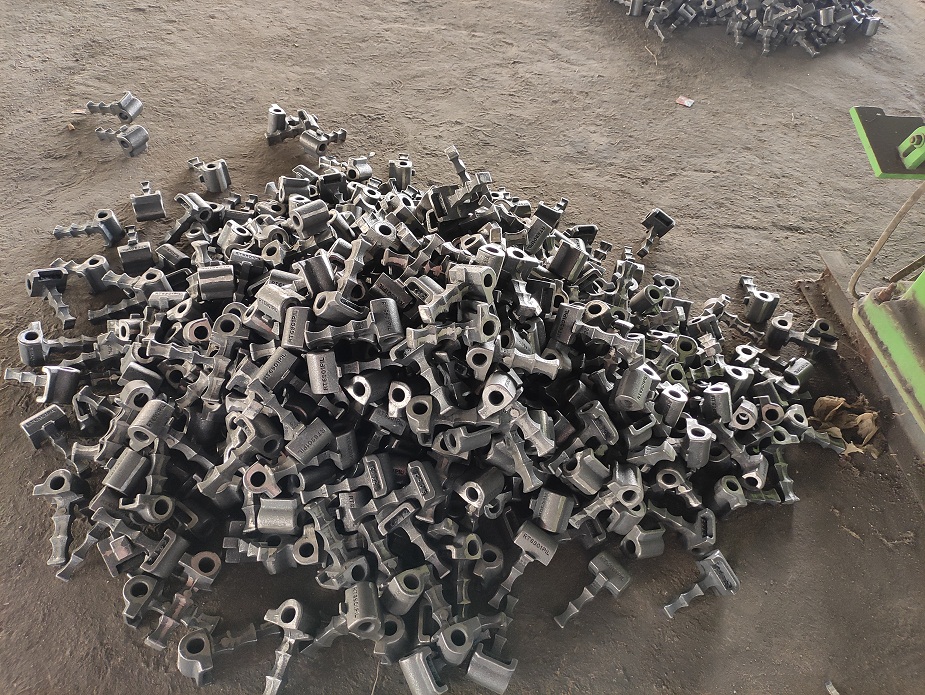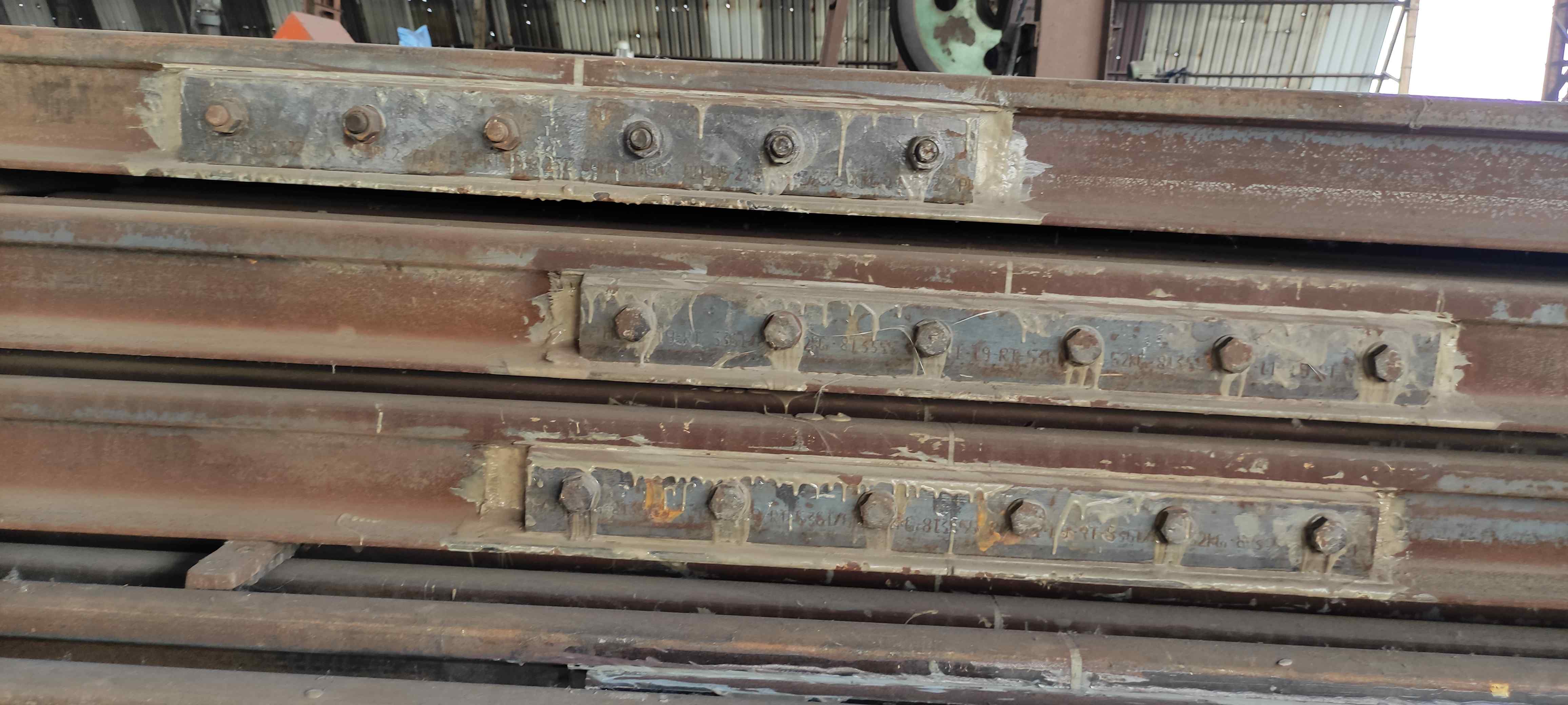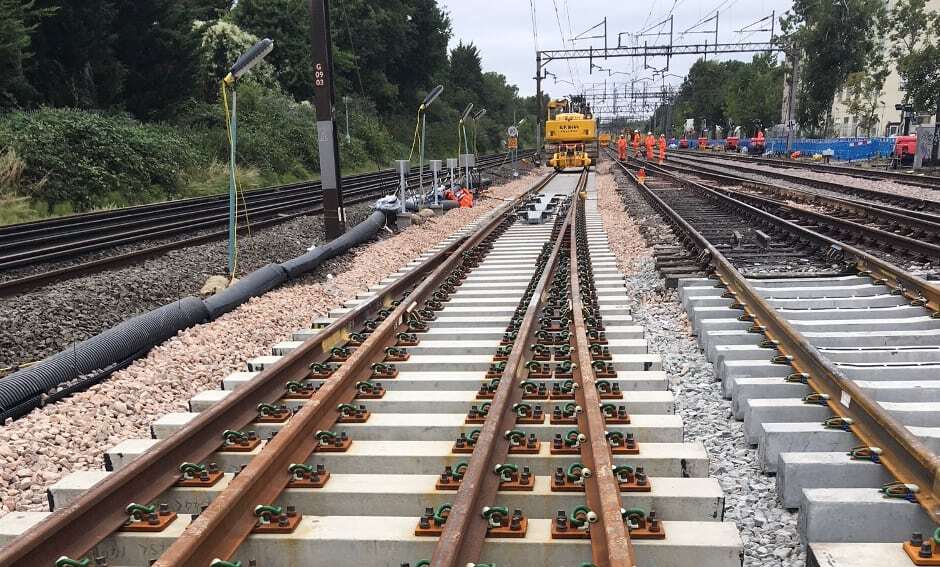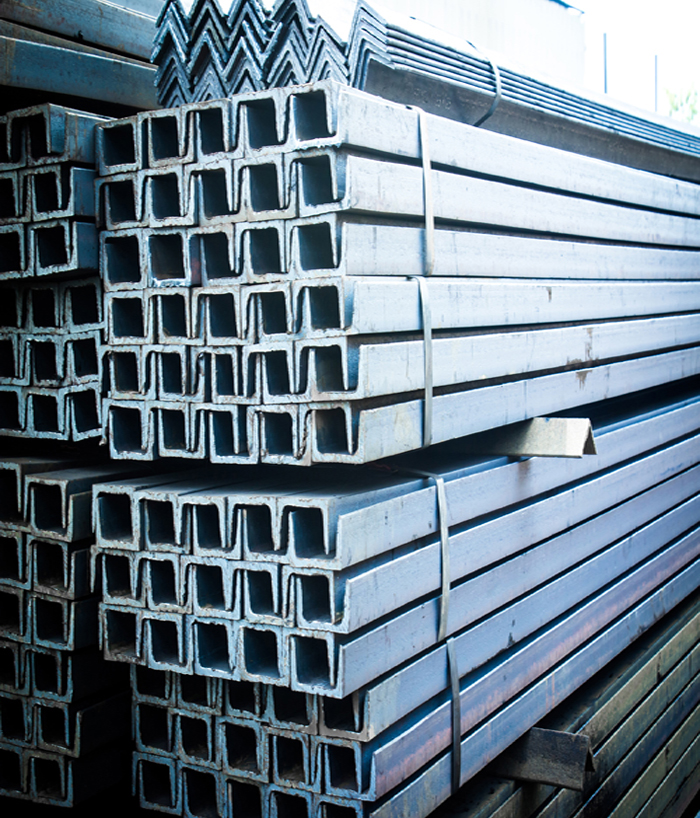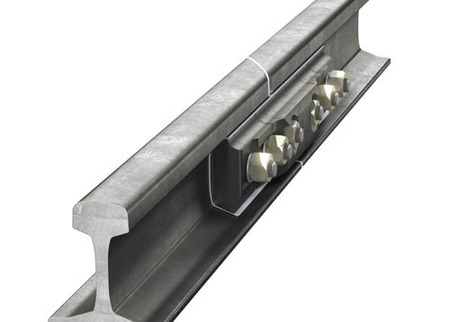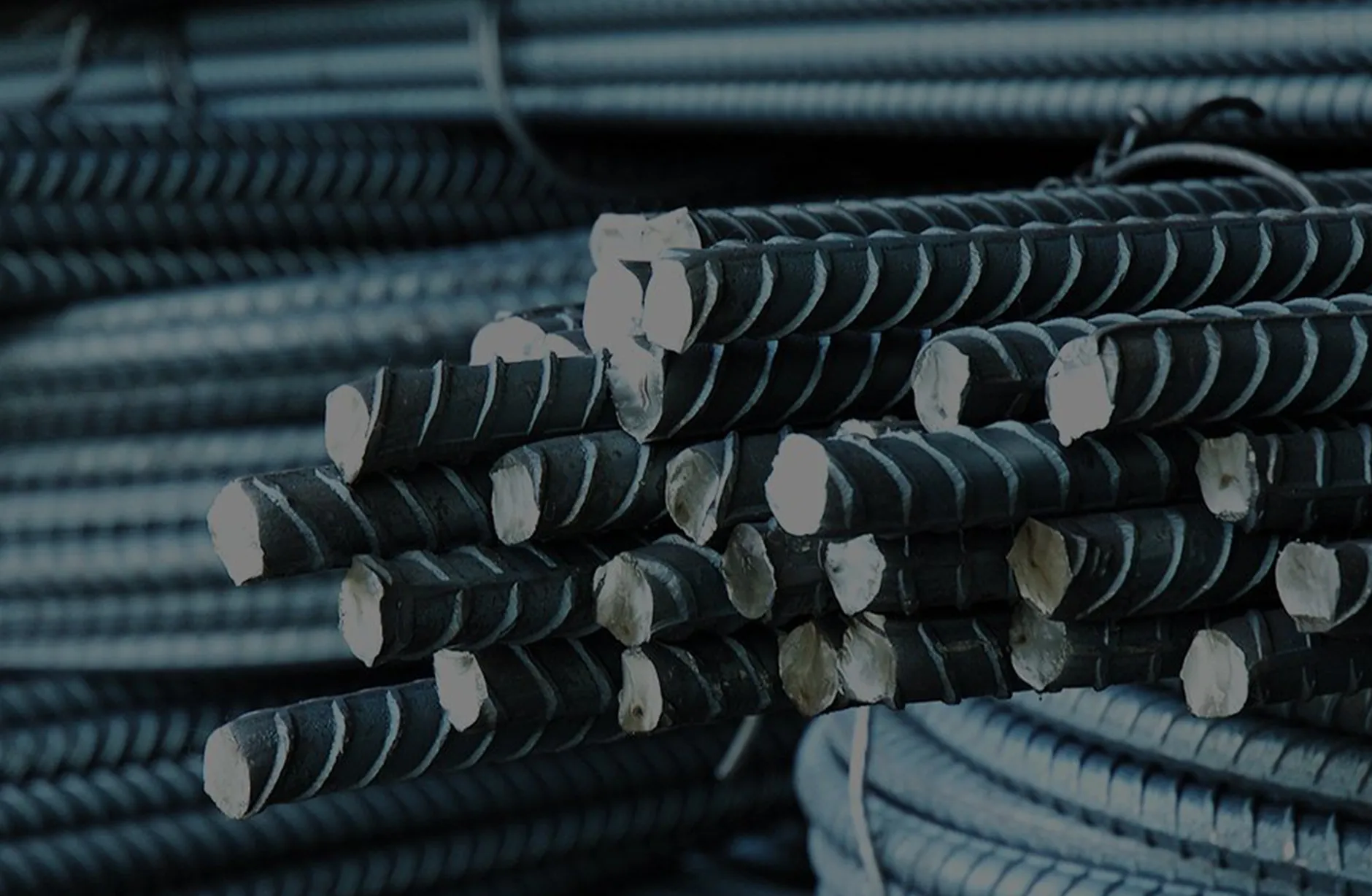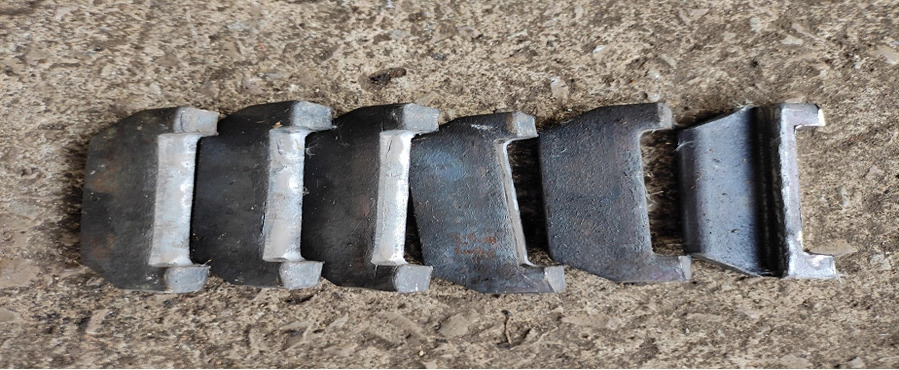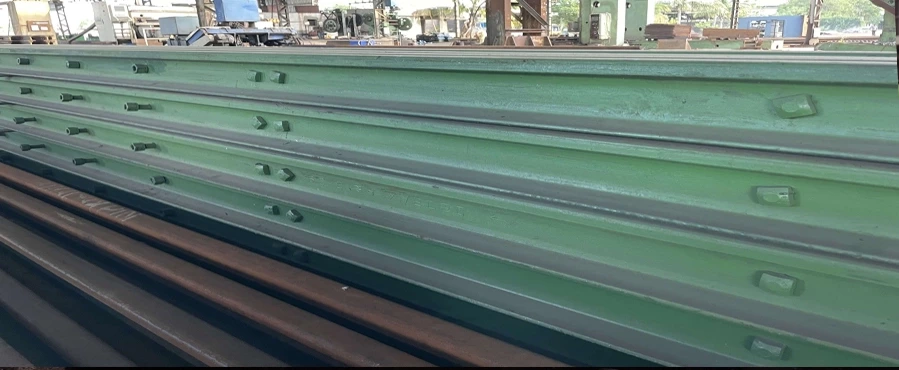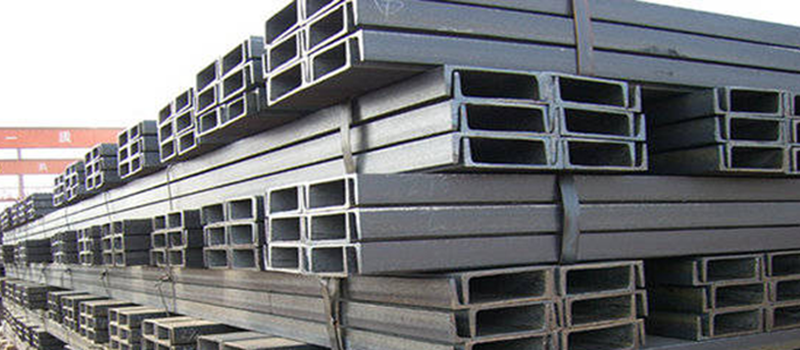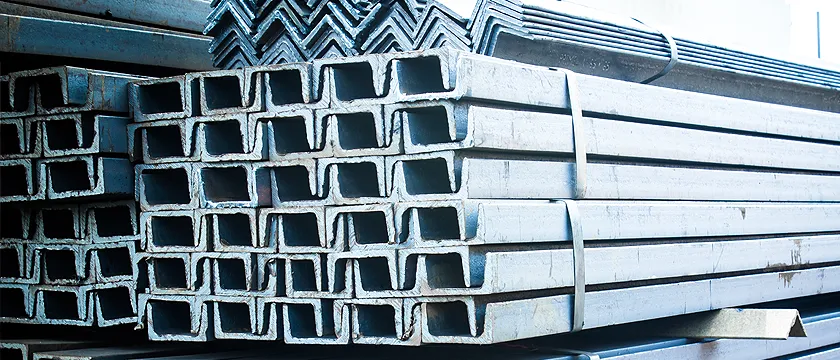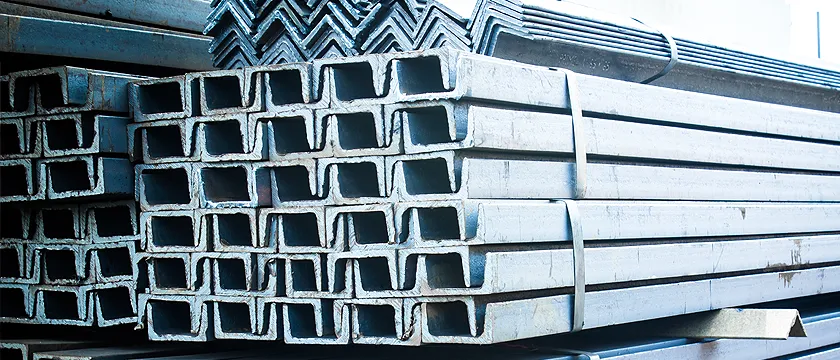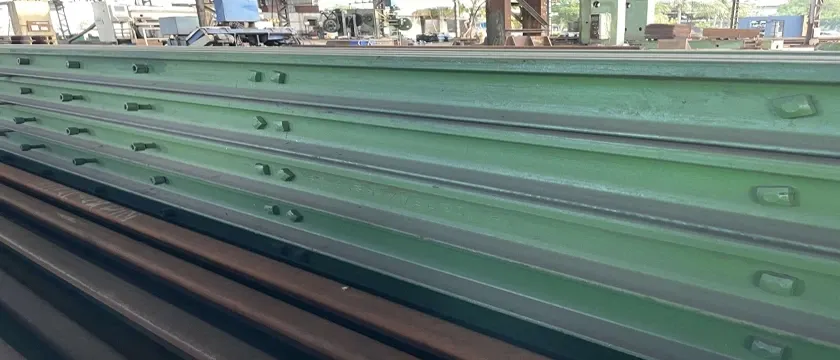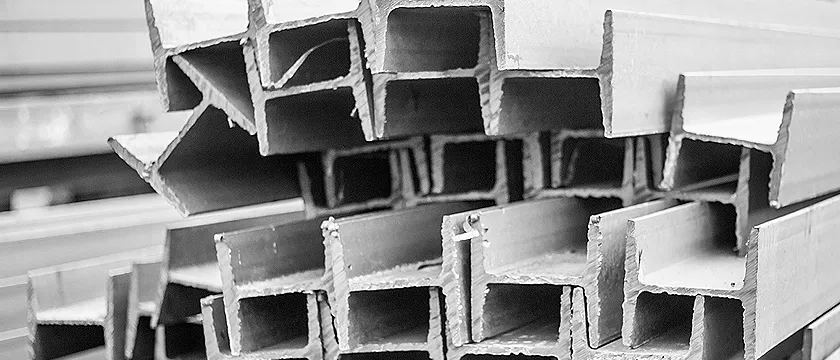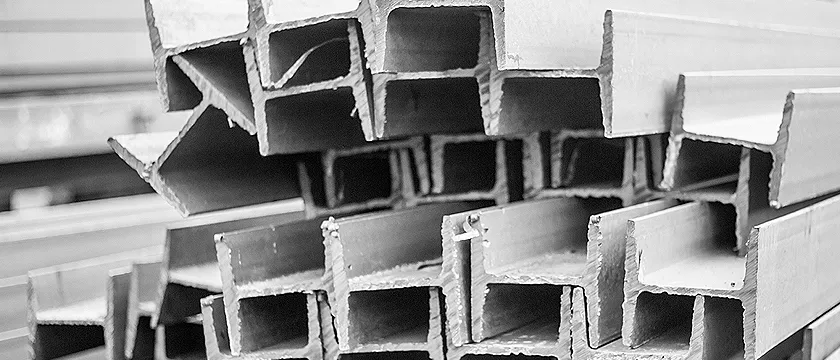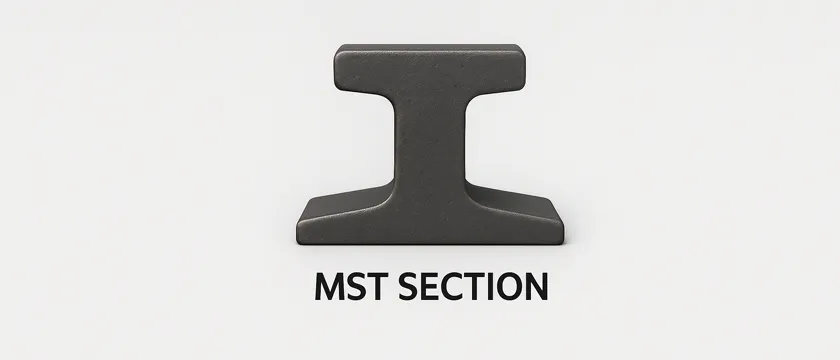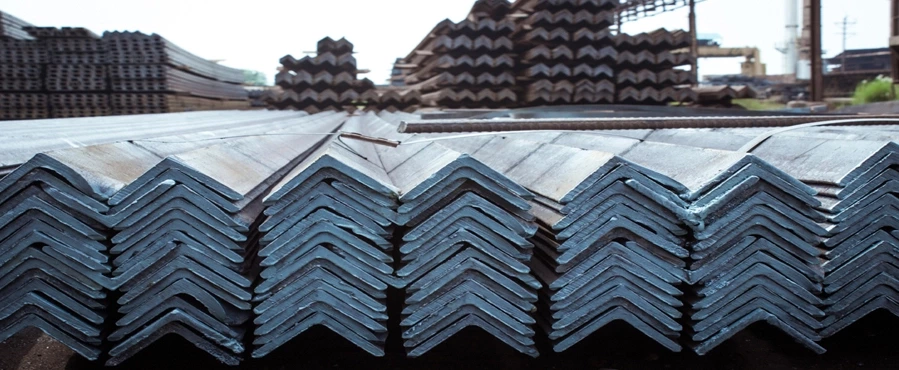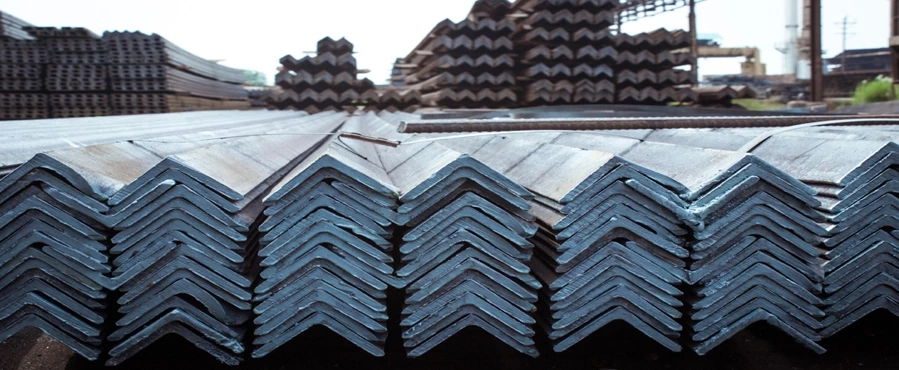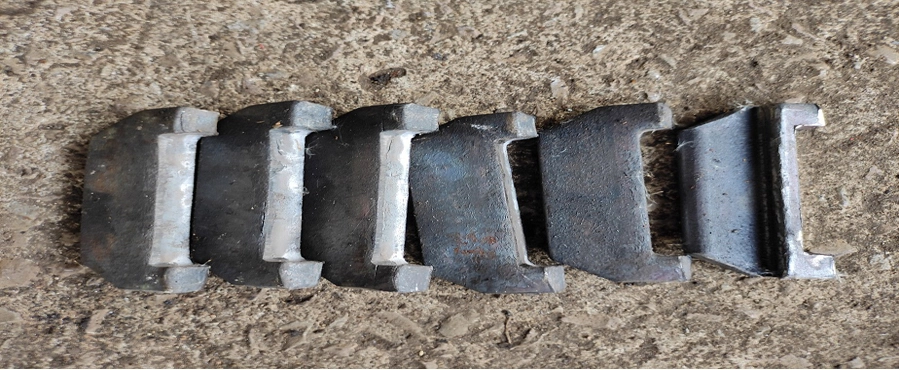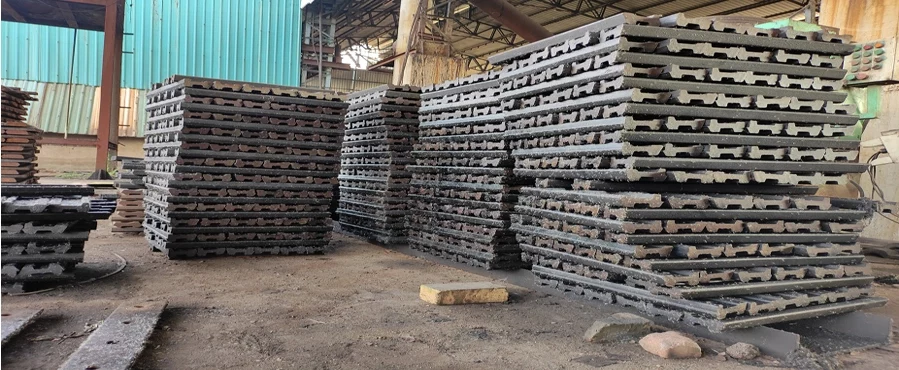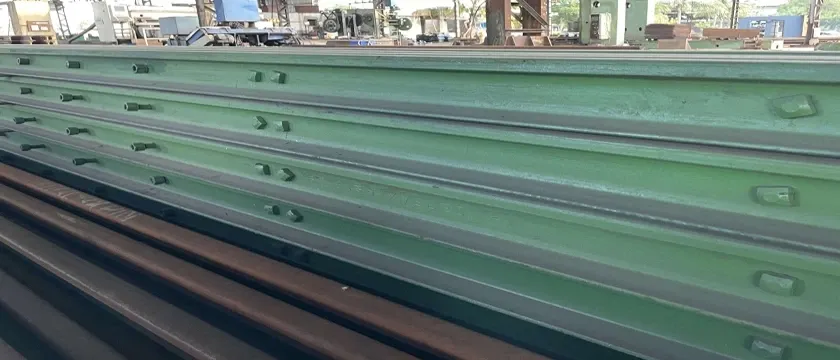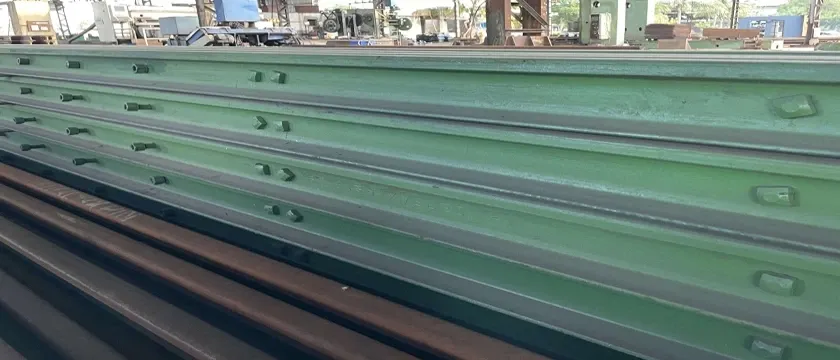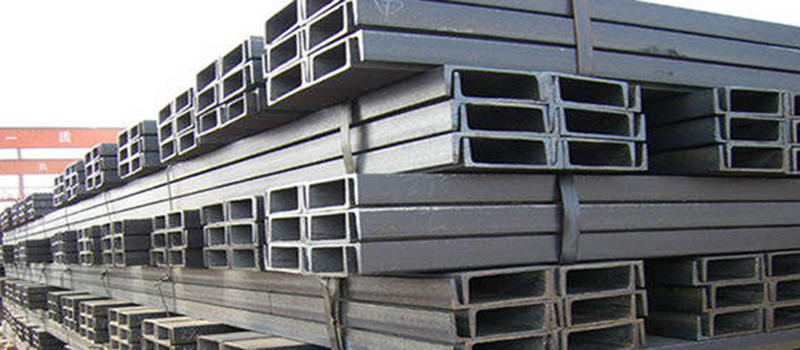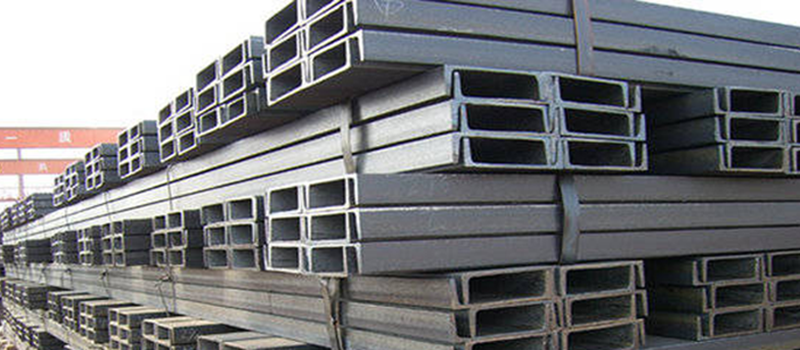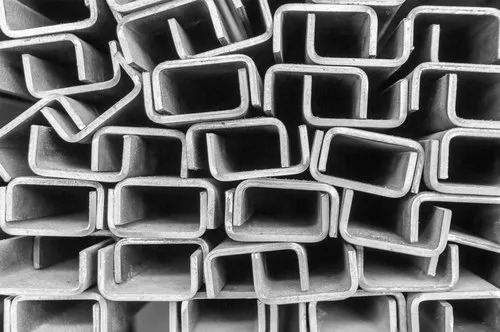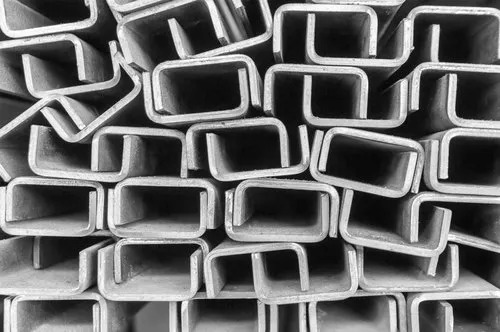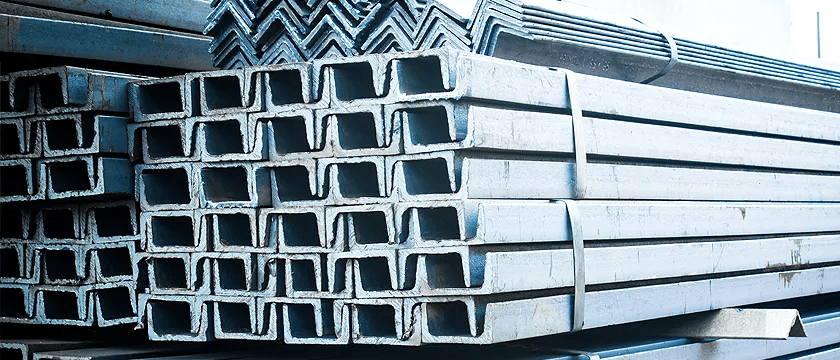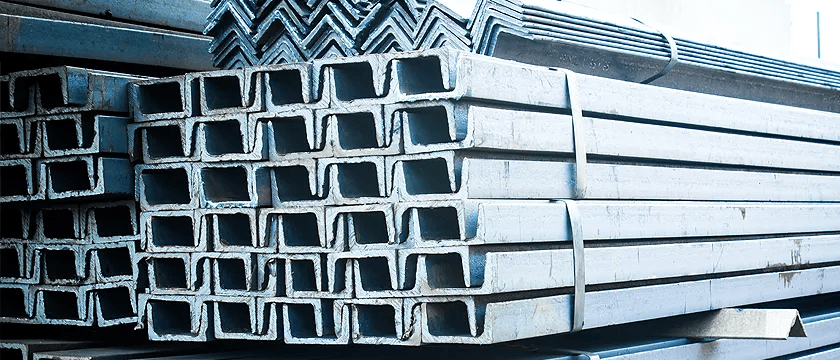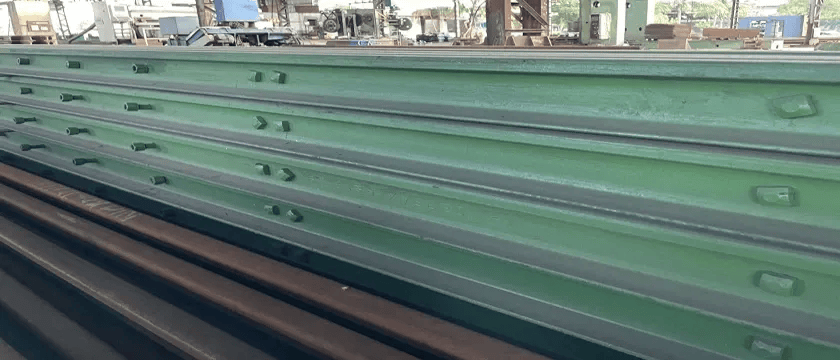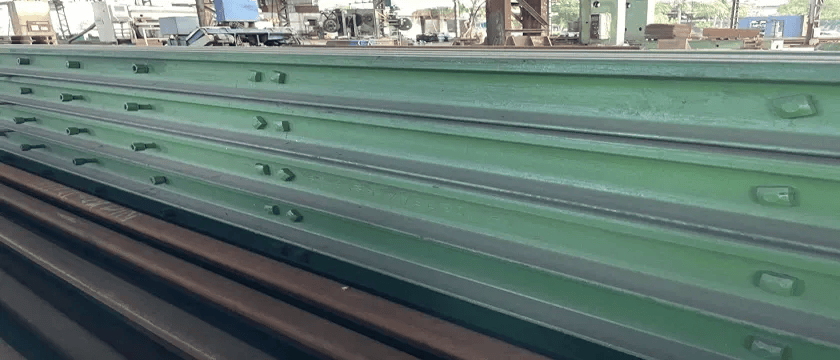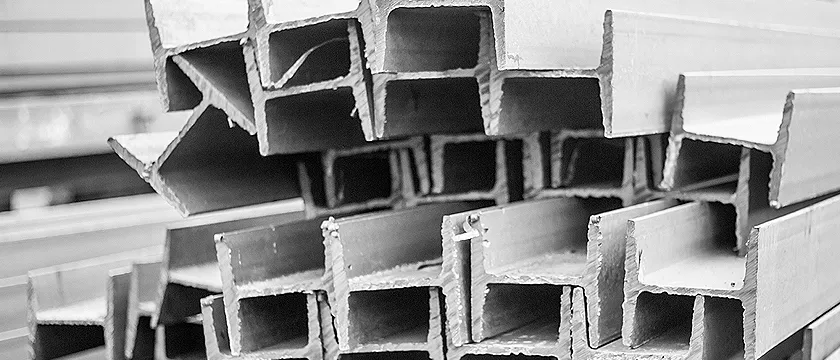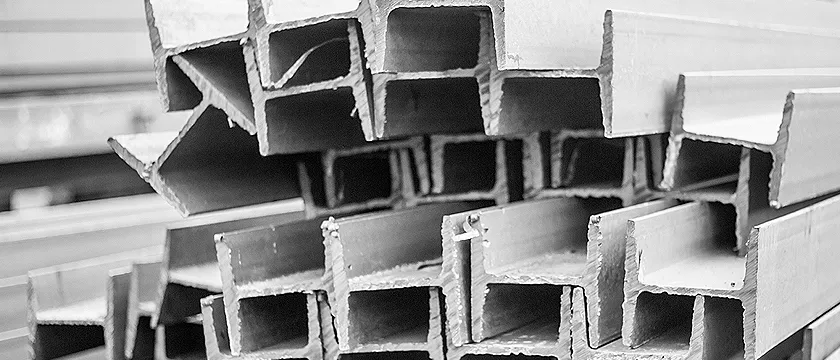





MST Steel Section Manufacturers in India
Structural engineers and industrial plant designers constructing high-load industrial sheds, pre-engineered buildings (PEB), and heavy equipment skids frequently struggle with structural twist, inconsistent web thickness, and premature joint fatigue caused by unverified structural steel profiles. Procuring certified framing components directly from established MST Section Manufacturers in India ensures strict dimensional precision, certified metallurgical uniformity, and reliable load-bearing capacity under intense dynamic stresses. Prime Ispat delivers precision-rolled structural profiles engineered specifically to eliminate on-site alignment discrepancies and weld failures across demanding industrial infrastructure projects.
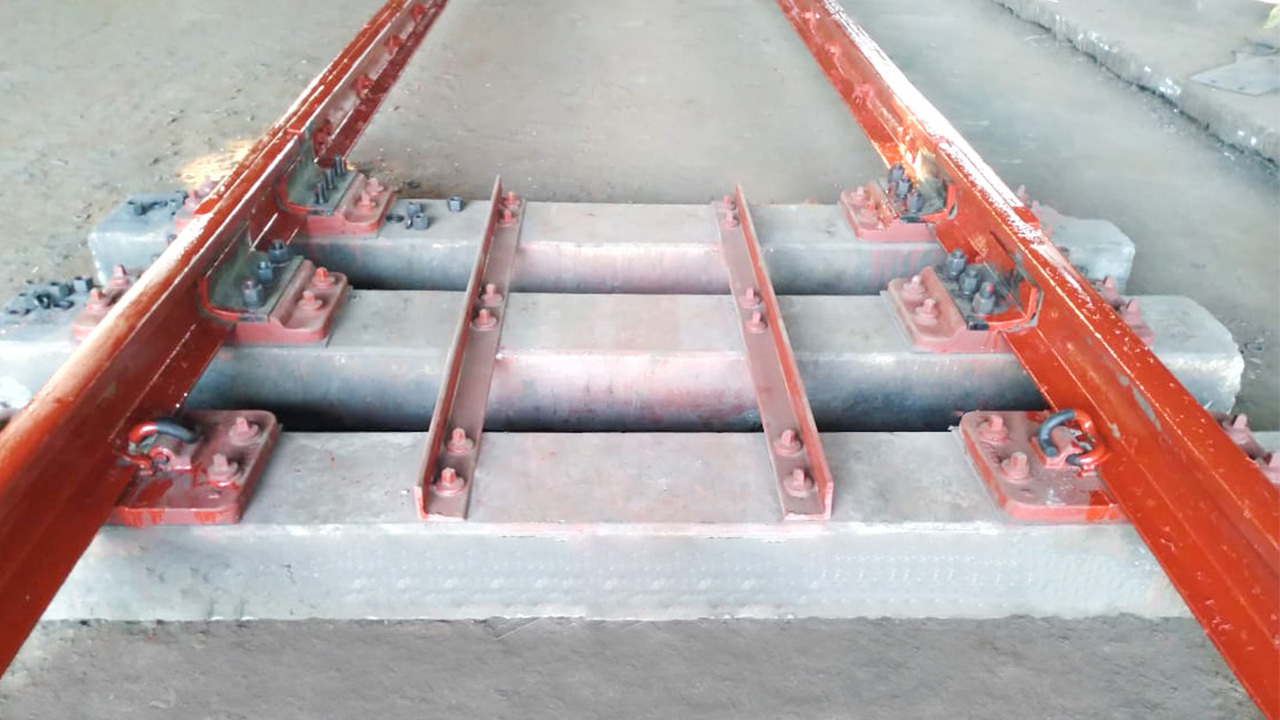
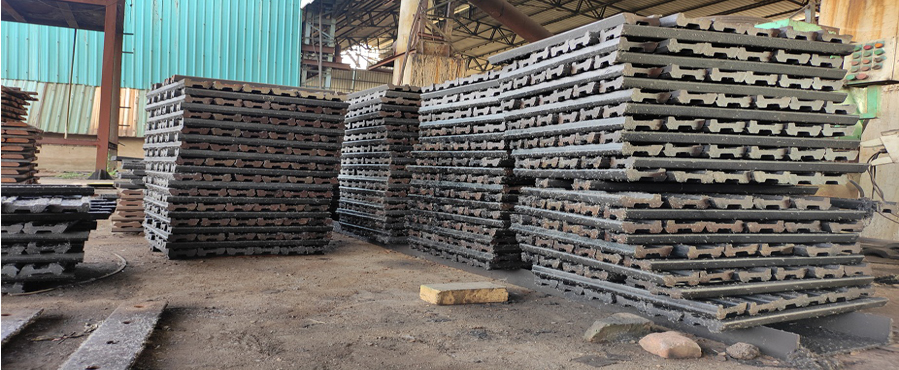
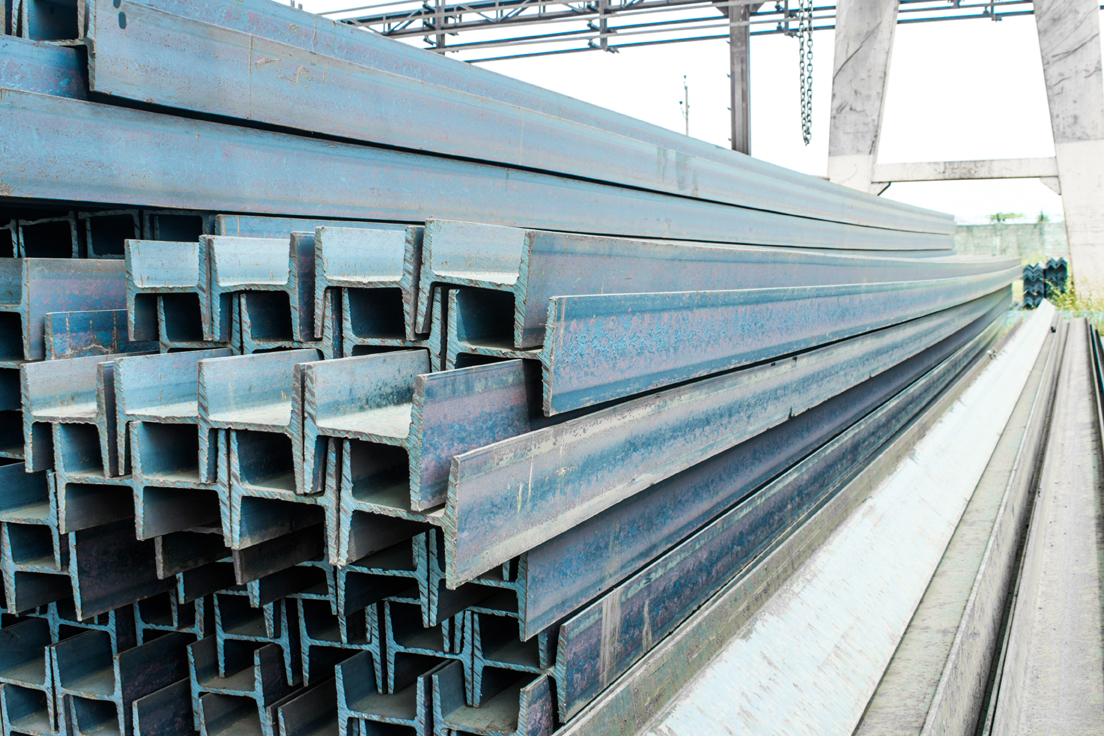
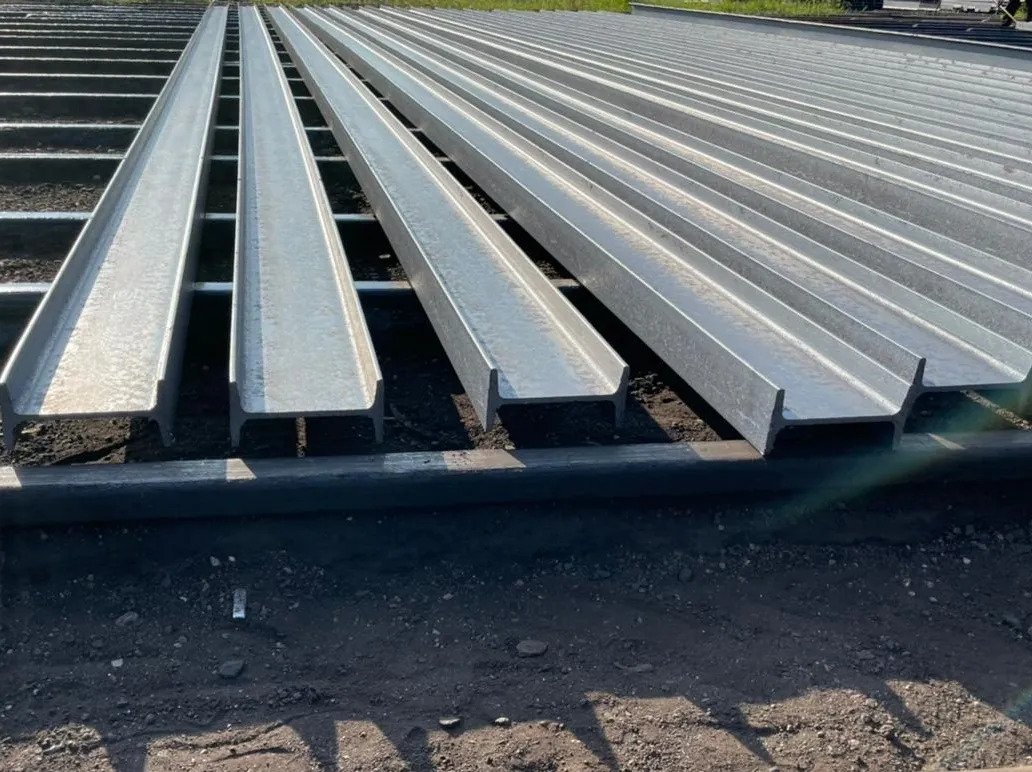
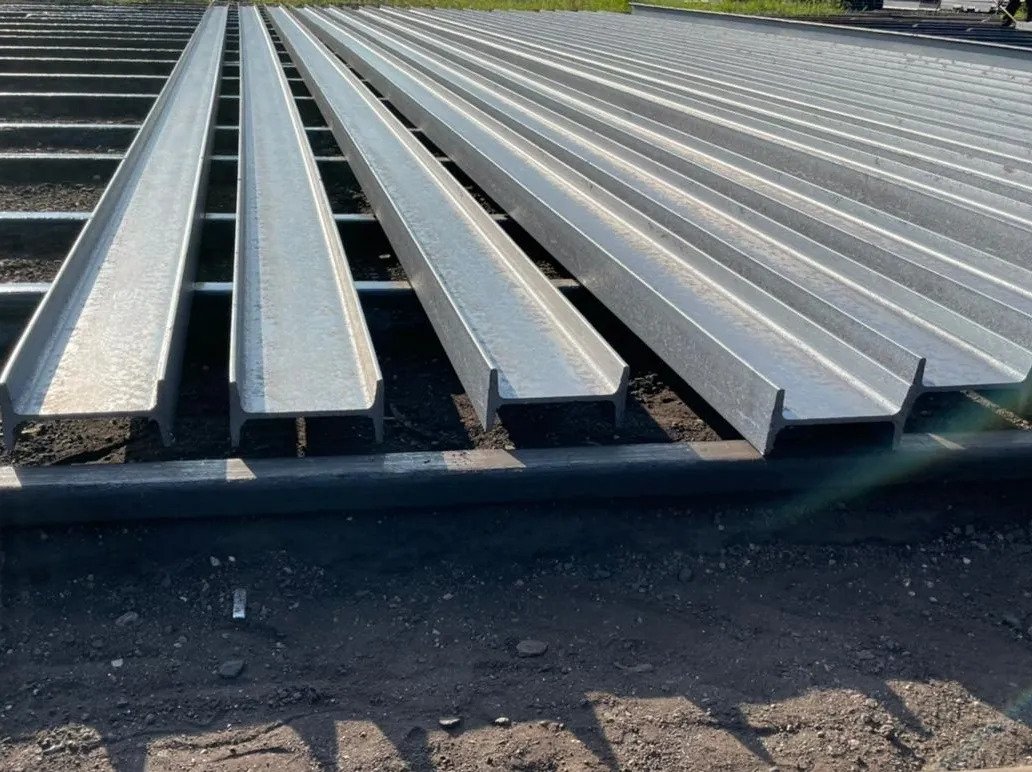
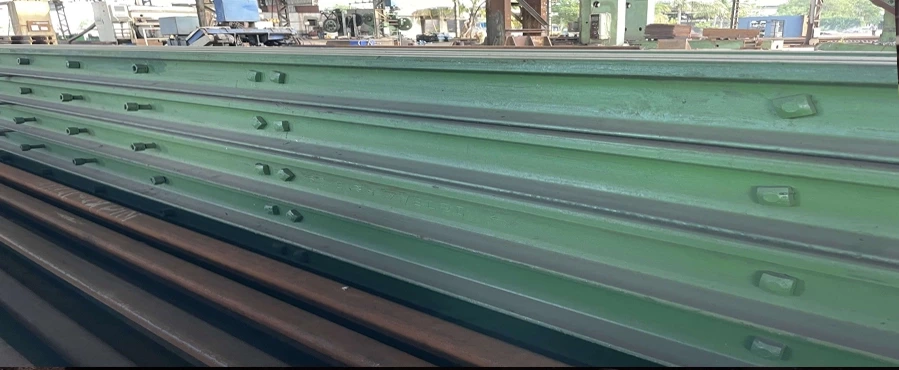
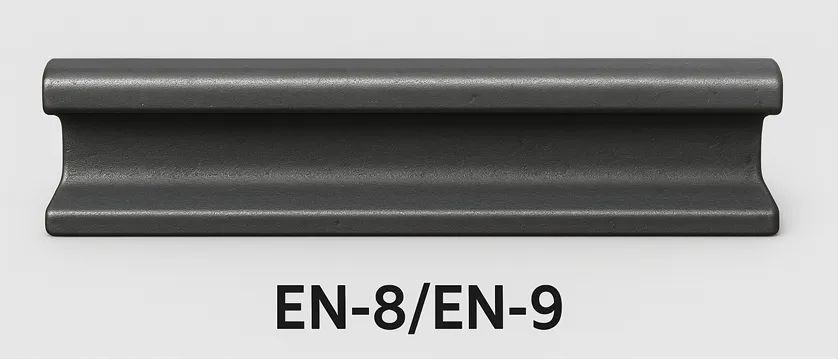
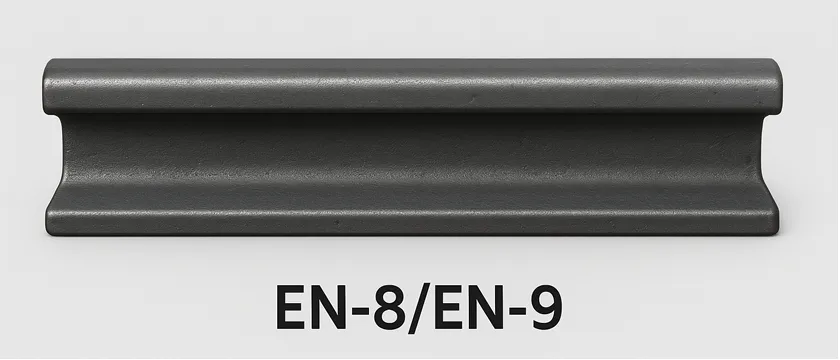
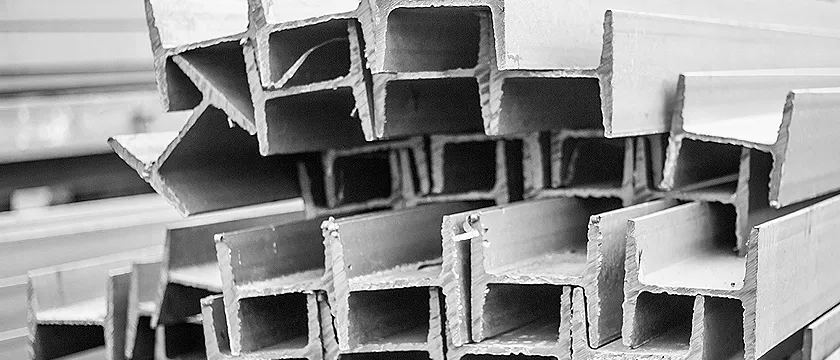
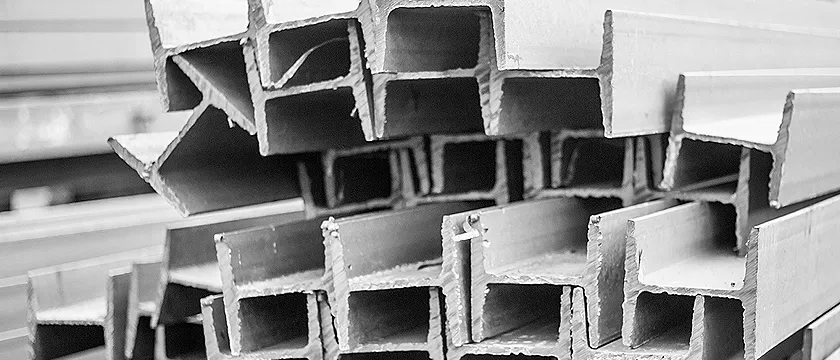
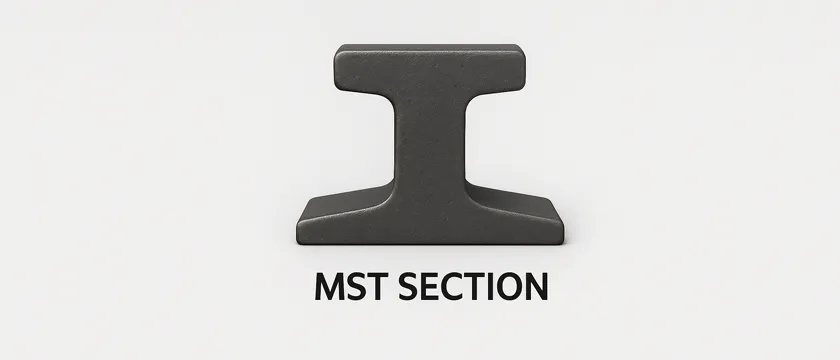
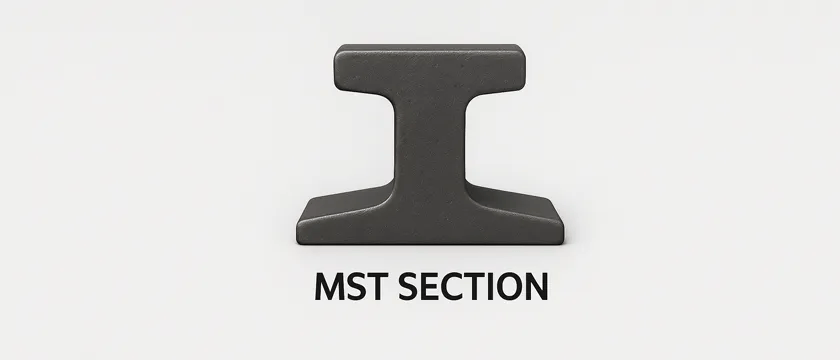
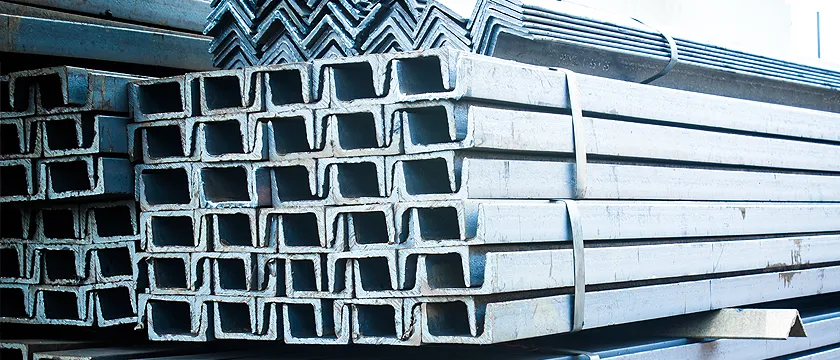
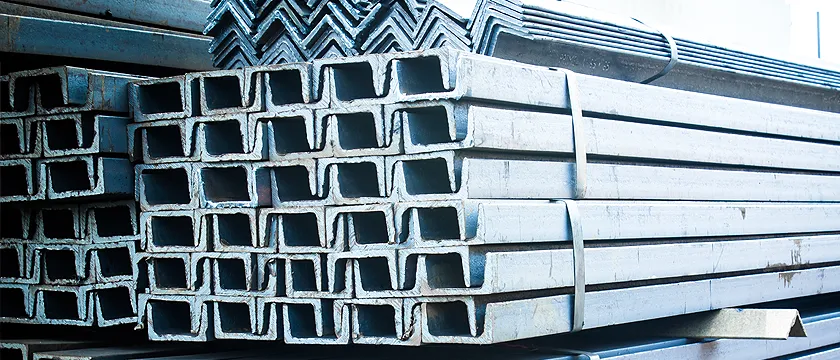
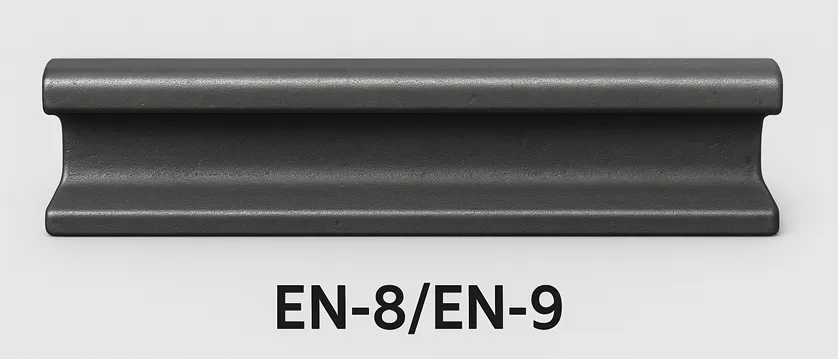
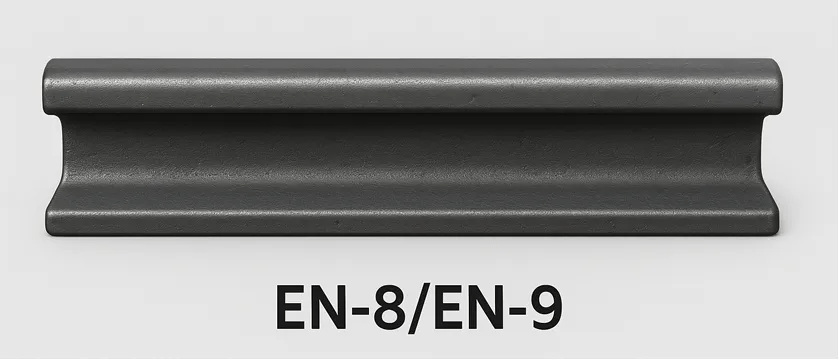
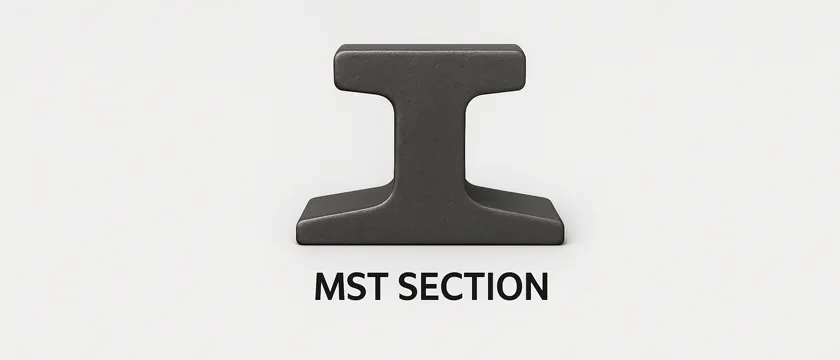
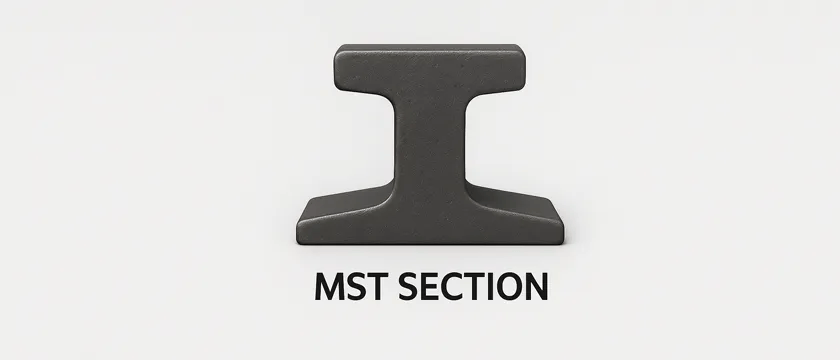
MST Section Manufacturers in India specialize in producing high-tensile structural steel sections engineered to provide superior torsional rigidity, exact geometric tolerances, and exceptional load-bearing performance for heavy industrial construction.
Facts Check
- Standard Profile Classifications: Custom and standard structural MST steel shapes.
- Primary Manufacturing Hubs: Chhattisgarh, Maharashtra, Gujarat, and West Bengal.
- Core Base Feedstock: 100% continuously cast primary steel billets.
- Key Operational Environments: Industrial roofing trusses, heavy machinery foundations, structural support columns, and modular fabrication yards.
Technical Specifications & Comparative Dimensions Table
|
Technical Parameter |
MST Section Profile Specification |
Structural Engineering Significance |
|
Material Composition |
High-tensile structural carbon steel |
Guarantees high yield strength and structural stability |
|
Tensile Strength |
450 – 550 MPa (Grade-specific) |
Resists severe bending moments and continuous shear stress |
|
Dimensional Tolerance |
Conforming to strict national structural codes |
Ensures flawless modular alignment and rapid site assembly |
|
Primary Application |
Industrial shed framing, plant pipe racks, and heavy skids |
Maximizes structural safety factors in heavy engineering settings |
Case Study: Eliminating Structural Deflection in a Large-Scale Industrial Shed Project
Project Background
An EPC contractor constructing a 200,000-square-foot heavy engineering fabrication facility faced severe project delays due to structural warping and angular distortion during the assembly of overhead roof trusses. The initial batch of structural sections, procured through multi-tier traders, featured irregular web-to-flange squareness and internal residual stresses that caused members to bow during welding.
The Engineering Challenge
The construction team required an immediate transition to a reliable, direct-from-mill supplier capable of delivering structural sections with uniform cross-sectional integrity, guaranteed straightness tolerances, and certified weldability under high joint restraint.
The Solution Provided by Prime Ispat
As a leading name among structural steel rolling mills, Prime Ispat supplied precision-rolled MST sections manufactured exclusively from virgin primary steel billets. Each section underwent stringent ultrasonic testing and laser-guided straightness verification prior to dispatch.
Project Results
- Erection Velocity Increased: Structural assembly and alignment speed improved by 40%, eliminating costly on-site flame straightening.
- Zero Weld Cracking: Uniform carbon equivalents ensured flawless, crack-free structural welds under heavy dynamic loads.
- Capital Cost Optimization: Sourcing directly from the manufacturer eliminated secondary trader markups and logistical friction.
Troubleshooting Common Structural Section Failures
Why do secondary structural steel sections warp during fabrication?
Secondary-market sections are frequently rolled from recycled scrap steel containing variable chemical inclusions and irregular cooling profiles. When these sections undergo thermal cutting or heavy welding, locked-in residual stresses release, causing severe angular distortion and structural misalignment.
How do precision-rolled MST sections prevent structural warping?
By utilizing uniform primary steel feedstock and optimized rolling-mill cooling beds, precision-rolled MST profiles maintain minimal internal residual stress and consistent cross-sectional geometry, ensuring complete stability during fabrication and erection.
How can site engineers verify structural quality before installation?
- Examine Mill Test Certificates (MTC): Verify that chemical composition and mechanical yield metrics match certified engineering standards.
- Check Straightness and Camber: Measure sweep and twist tolerances to ensure compliance with structural alignment specifications.
- Confirm Billet Origin: Ensure structural sections are rolled from virgin iron-ore billets rather than unverified scrap sources.
Understanding MST Section Material Properties
What is an MST structural section?
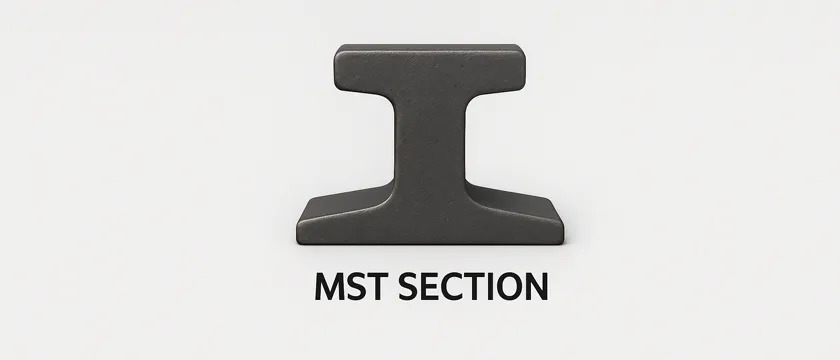
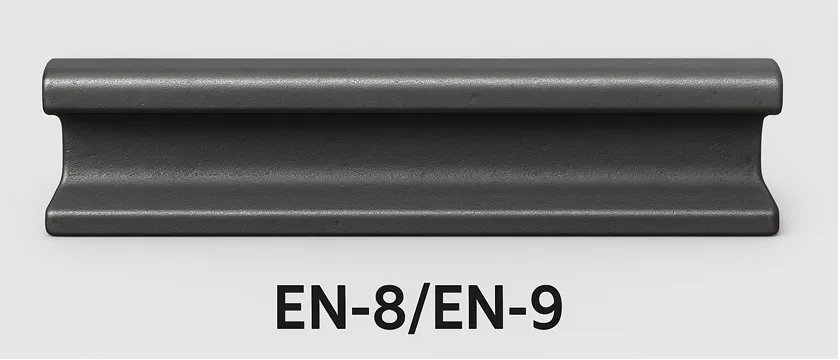
An MST section is a specialized structural steel profile engineered for maximum load-bearing efficiency in heavy industrial framing, equipment support skids, and infrastructure columns where standard shapes require optimized strength-to-weight ratios.
Why does primary billet sourcing matter?
Primary steel billets are manufactured directly from virgin iron ore, ensuring complete freedom from internal tramp elements and delivering uniform structural integrity throughout the entire length of the profile.
Benefits and Operational Challenges
Key Benefits
- Exceptional strength-to-weight ratio optimizing structural support frameworks
- High resistance to torsional stress and dynamic bending moments
- Uniform cross-sectional dimensions ensuring seamless modular fabrication
- Direct mill traceability and comprehensive quality documentation
Operational Drawbacks
- Heavy structural profiles demand certified rigging equipment and proper mechanical handling during site offloading.
- Precise structural load calculations are required prior to ordering custom cut-to-length configurations.
Real-World Applications
- Pre-engineered building (PEB) columns and rafter supports
- Heavy machinery mounting skids and industrial skids
- Plant infrastructure pipe racks and overhead gantry supports
Sourcing and Installation Steps
- Calculate Structural Loads: Determine dead loads, live loads, wind forces, and dynamic stresses for your specific framework design.
- Engage Directly with the Mill: Connect with our technical sales division to finalize custom lengths, profile dimensions, and delivery schedules.
- Validate Documentation: Review certified mill test reports covering tensile strength, elongation, and dimensional tolerances.
- Coordinate Site Erection: Utilize certified welding procedures and proper lifting equipment for safe, aligned structural installation.
Frequently Asked Questions
Which industries rely most heavily on MST structural steel sections?
Heavy engineering fabricators, pre-engineered building (PEB) manufacturers, industrial plant constructors, and infrastructure developers are the primary consumers of these specialized sections.
How do precision-rolled sections improve on-site welding efficiency?
Uniform chemical composition and controlled carbon equivalents prevent localized hardening and micro-cracking, ensuring high-integrity structural welded joints.
How can I request a commercial quote or technical consultation for my project?
Connect directly with our engineering sales team for customized sizing, technical grade selection, and bulk pricing by visiting our official Enquiry Us portal.
Secure Your Industrial Project Requirements Today
Ready to upgrade your structural frameworks with certified, mill-direct material? Connect with our engineering consultants or submit your exact blueprint specifications directly through our Enquiry Us portal to secure priority dispatch and competitive bulk pricing.