




Where to Source 350 Channel N in Maharashtra
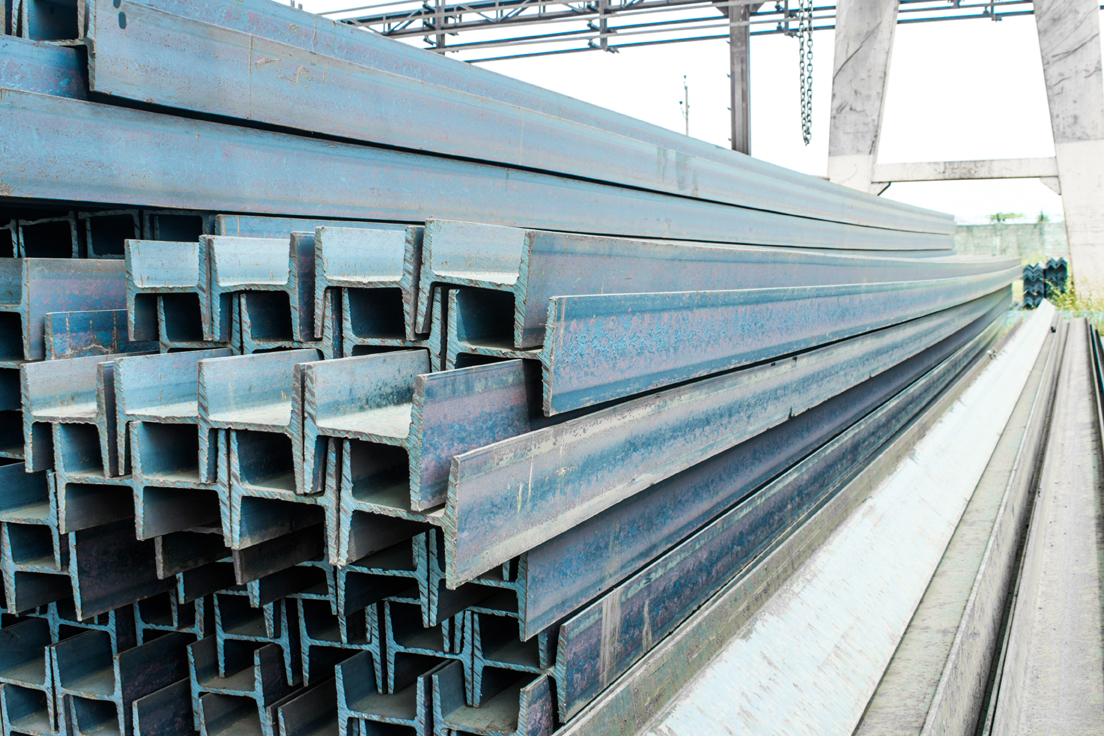
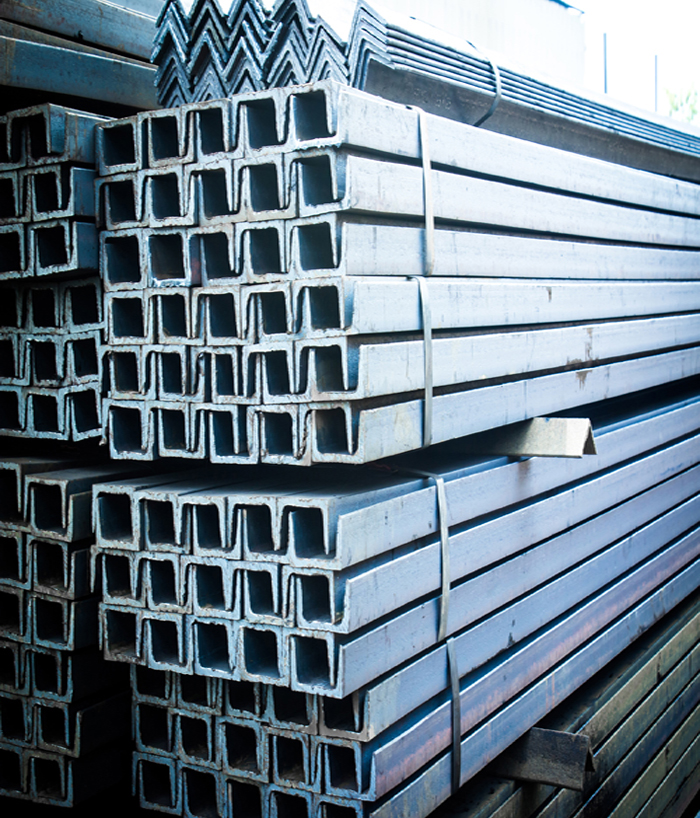
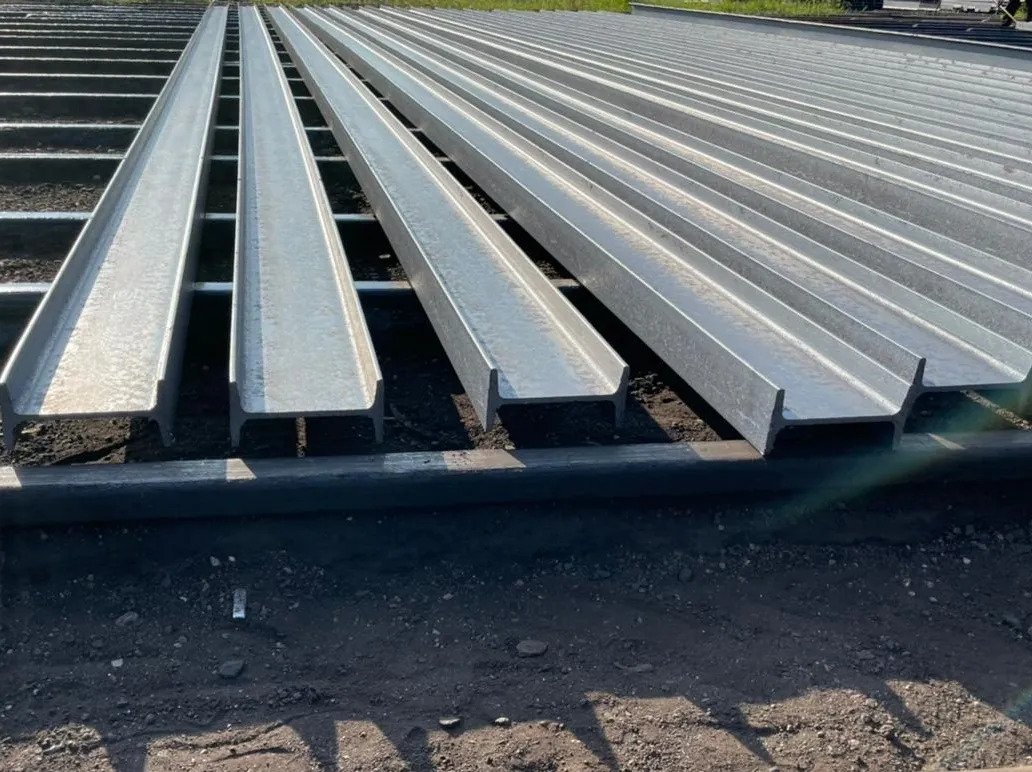
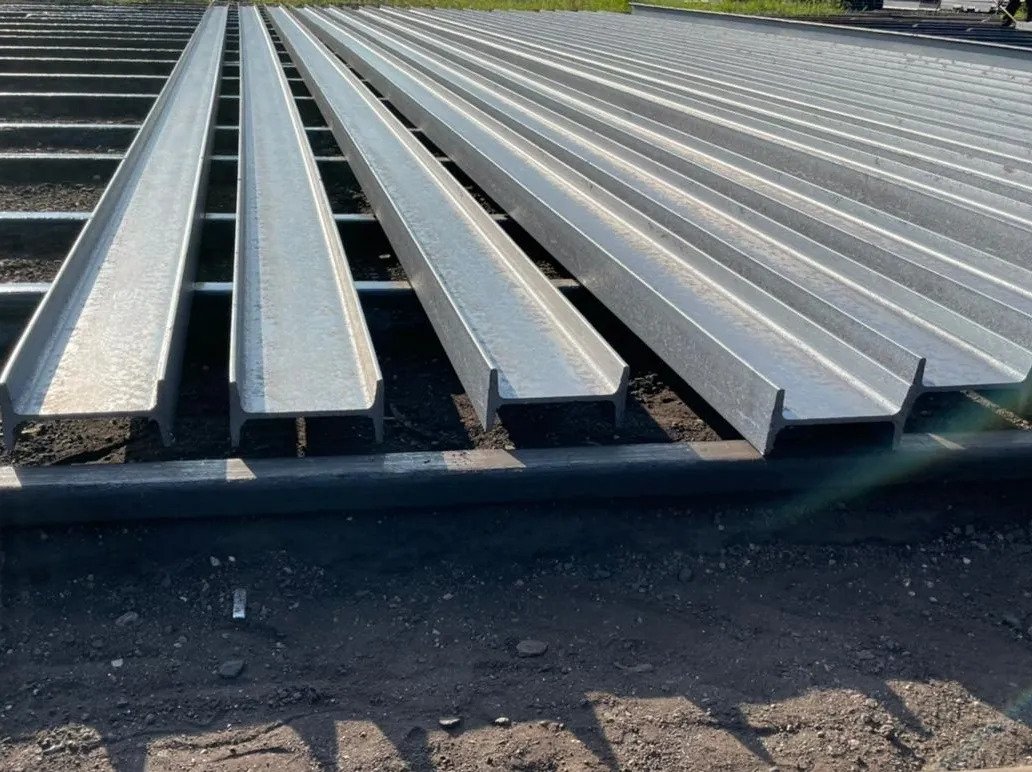
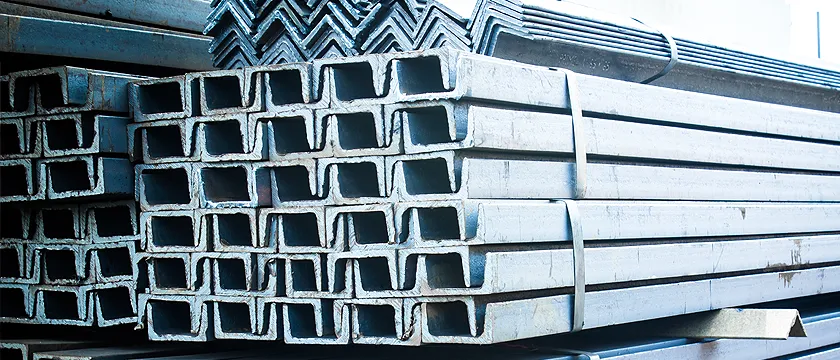
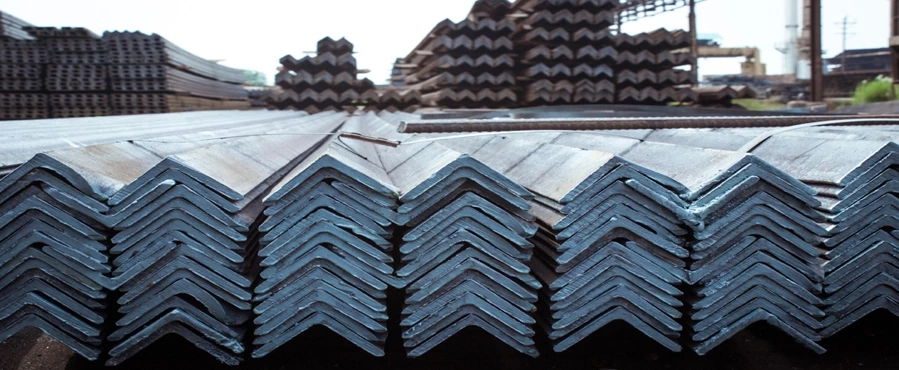
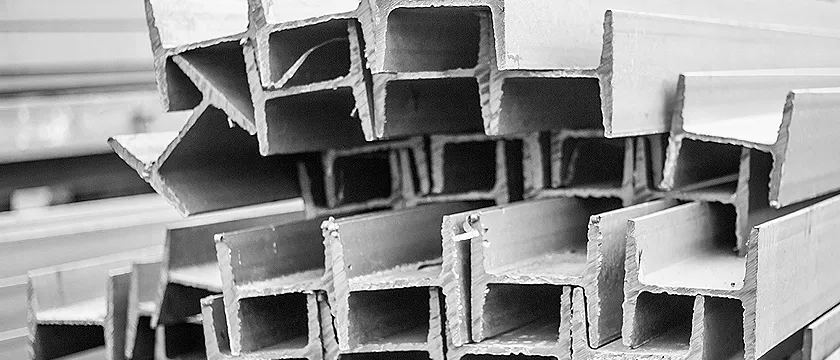
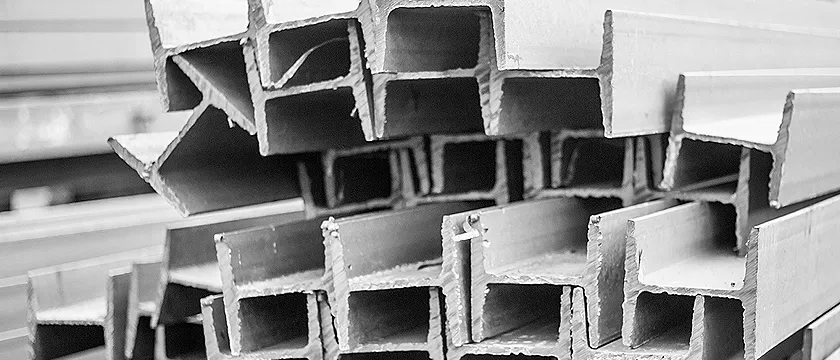
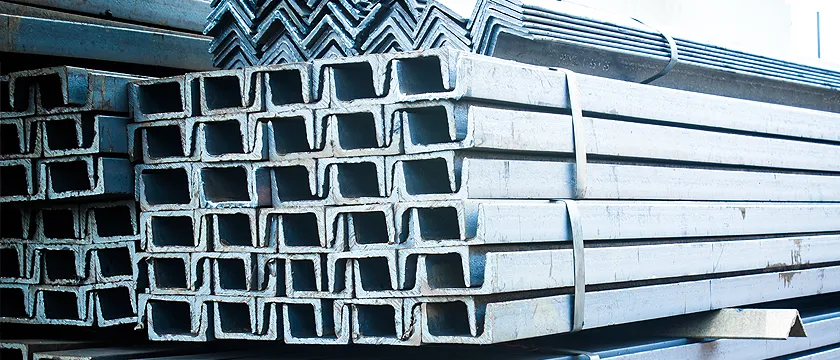
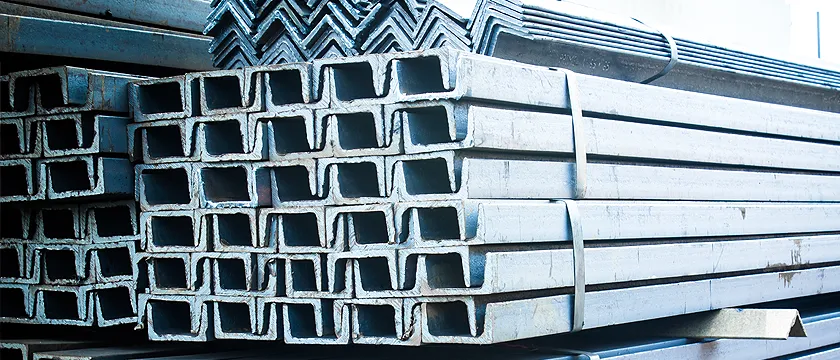
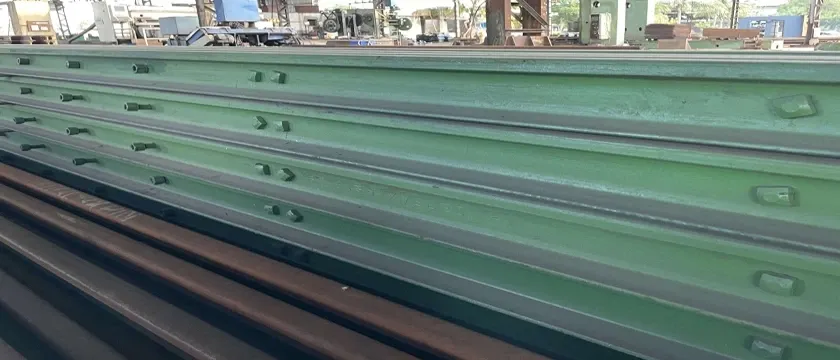
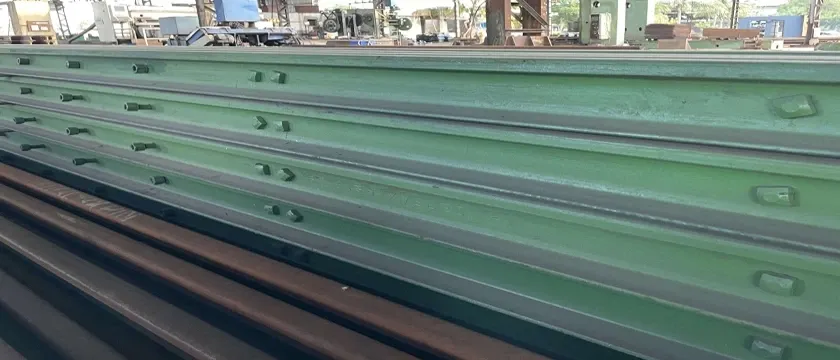
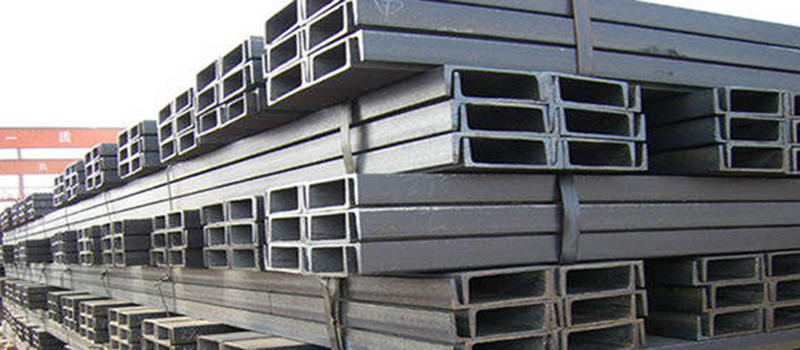
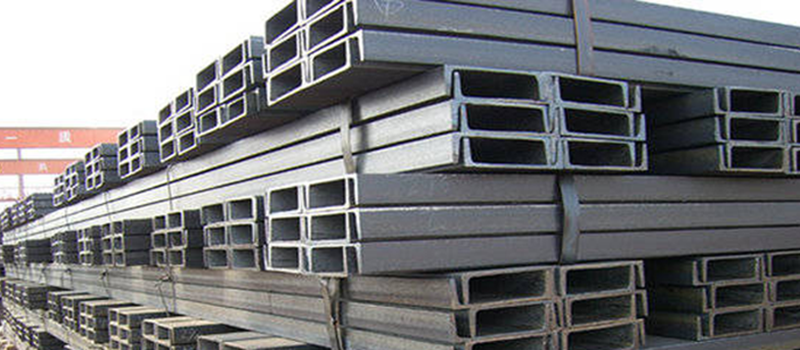
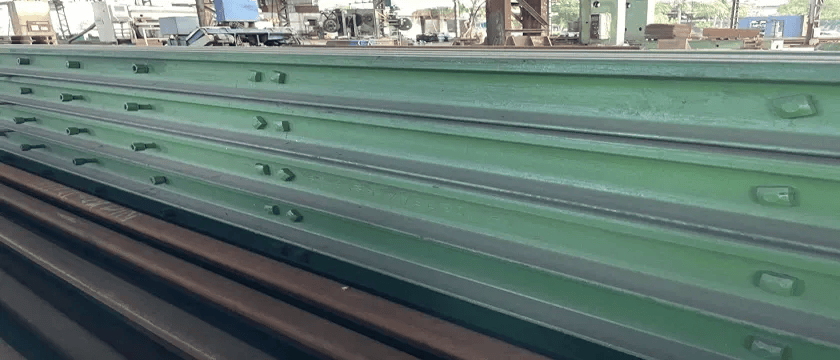
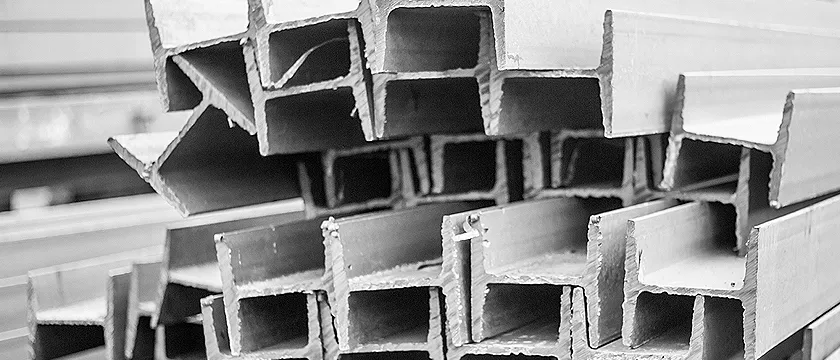
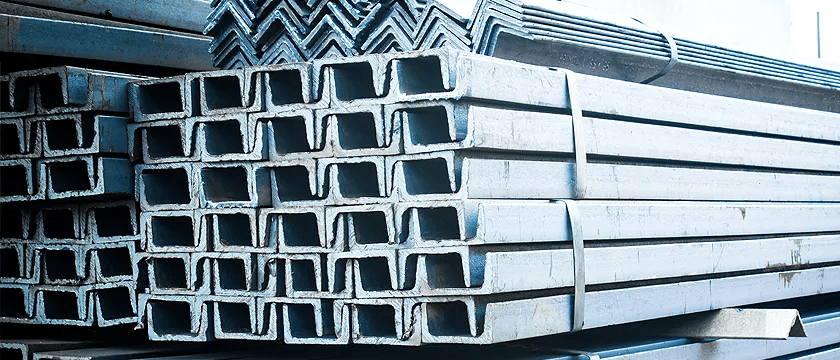
West India is currently executing some of the highest-tonnage infrastructure projects in the country. From the warehouses flanking the Delhi-Mumbai Industrial Corridor (DMIC) to the aggressive port modernizations across the coastline, the demand for heavy, load-bearing structural steel is peaking. At the center of this demand is the ISMC 350—a deep-web structural channel engineered specifically for maximum flexural strength and heavy live-load applications.
However, a severe supply chain disconnect exists. While consumption is localized in cities like Mumbai, Pune, and Nagpur, the primary production of heavy structural profiles remains concentrated in the mineral-rich Eastern and Central belts. For EPC contractors and structural fabricators, buying through the standard multi-tiered distribution network inflates landed costs, risks mixed-lot weight variations, and threatens project timelines.
To protect margins on heavy fabrication projects, procurement heads must shift from local stockists to direct off-take agreements with integrated 350 Channel(N) Manufacturers in India.
The Engineering Case for the 350 Channel
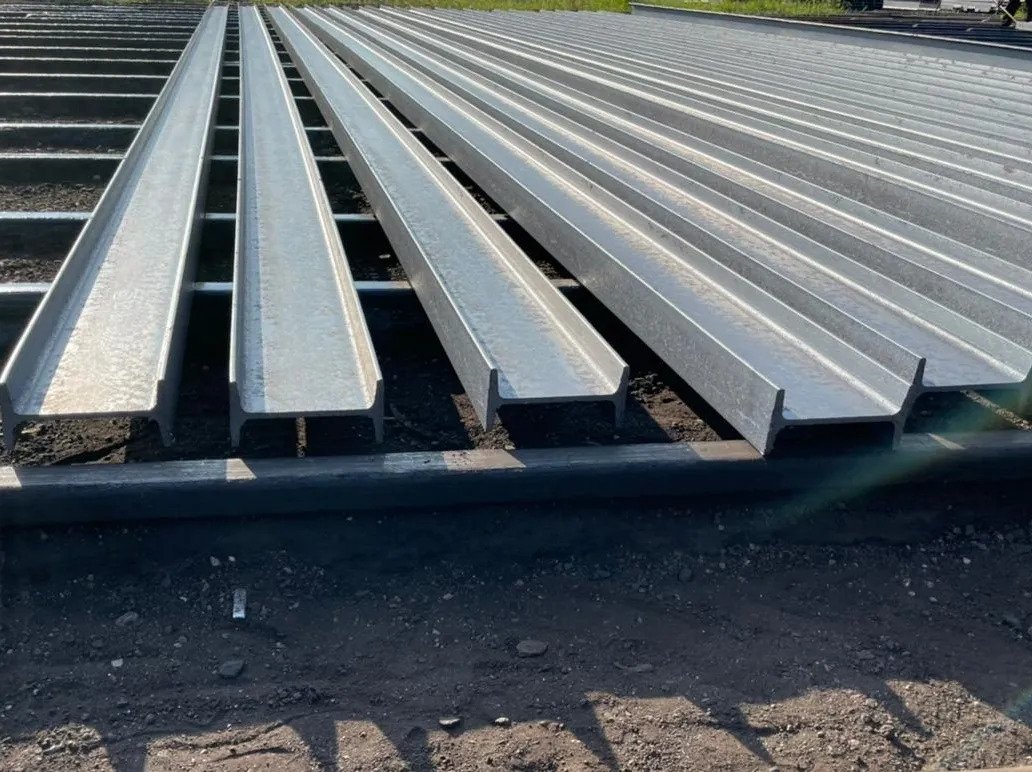
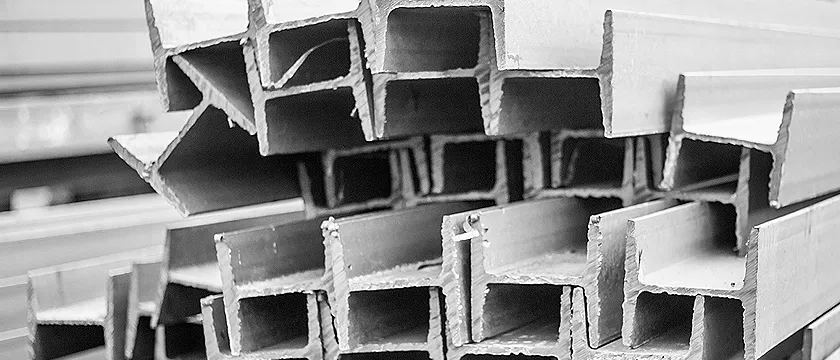
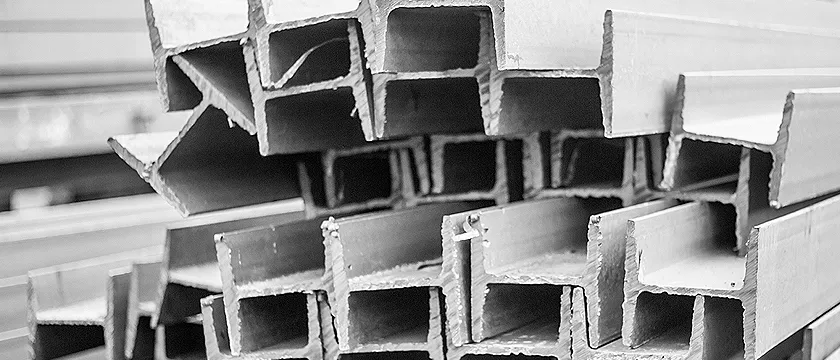
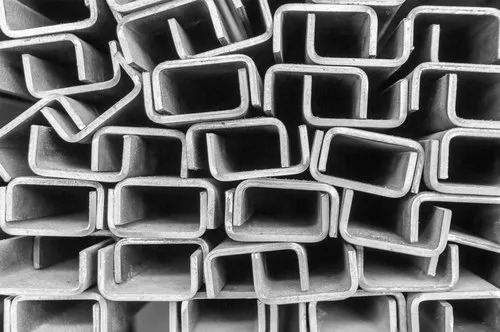
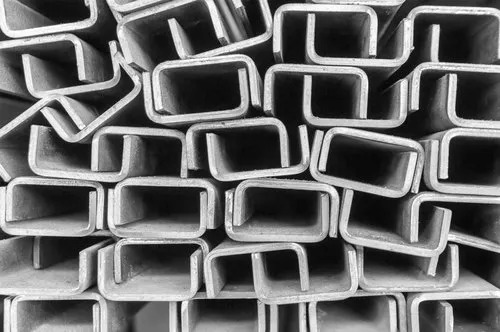
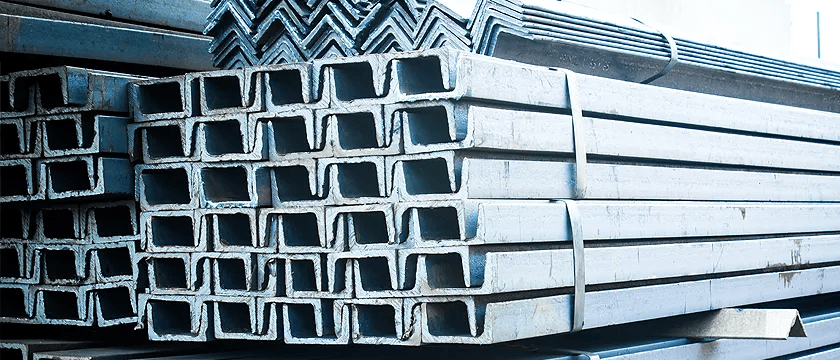
Unlike standard light-duty sections, the 350 Channel (N) is not designed for simple framing. At 350 mm in depth, its primary structural advantage is its massive moment of inertia ( I_{xx} ), which provides exceptional resistance to bending moments over long spans without deflecting.
This specific profile is the default specification for:
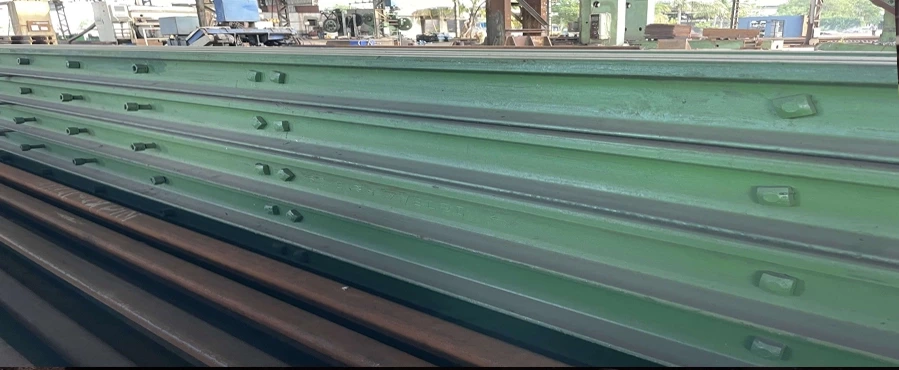
- EOT Crane Runway Girders: The 100 mm flange provides a wide, stable bearing surface for heavy-duty crane rails in industrial sheds.
- Mainframe Columns & Trusses: Used back-to-back in heavy fabrication for industrial processing plants and logistics parks.
- Transfer Beams: Bridging large column-free spans in infrastructure projects where high torsional rigidity is required.
Technical Specifications: The IS 2062 & IS 808 Baseline
Procurement should strictly adhere to Indian Standard (IS) norms. A structurally sound 350 Channel must meet both the dimensional tolerances of IS 808 and the metallurgical yield strengths of IS 2062. Below are the critical baseline parameters required for heavy industrial applications:
|
Technical Parameter |
Standard Specification |
|
Material Grade |
IS 2062 (Available in E250 & E350 high-tensile variants) |
|
Sectional Depth (h) |
350 mm |
|
Standard Flange Width (b) |
100 mm (Provides broad bearing surface) |
|
Web Thickness (t_w) |
8.1 mm to 10.0 mm (Depending on mill-specific heavy profiles) |
|
Flange Thickness (t_f) |
13.5 mm to 16.0 mm |
|
Mass Per Meter |
~43.2 kg/m (Strict weight tolerances prevent structural deficits) |
|
Standard Supplied Lengths |
6 Meter / 9 Meter / 12 Meter (Custom lengths mitigate splicing) |
|
Direct Procurement |
Bypassing the Stockist Trap in West India
When project managers search for local 350 Channel(N) Manufacturers in Maharashtra, they frequently encounter secondary re-rollers or third-party stockists rather than primary integrated mills. Procuring heavy structural steel through this secondary market introduces three distinct structural and financial risks:
- Tolerance Stacking: Secondary stockists often mix batches from different local rolling mills. One batch might be rolled slightly thin (underweight), reducing the column's load-bearing capacity, while another is rolled thick (overweight), forcing the contractor to pay for fewer meters per tonne.
- Traceability Failures: Without a direct Manufacturer Test Certificate (MTC) linked explicitly to a specific heat number, verifying the carbon and phosphorus levels of the steel becomes impossible. Unregulated scrap steel often has high phosphorus, leading to cold brittleness.
- The Middleman Premium: Moving 12-meter, 518-kg steel channels through multiple regional yards layers unnecessary handling fees and stockist markups onto the final invoice.
Connecting directly with primary mills—often located in manufacturing hubs like Chhattisgarh—eliminates these variables. Integrated mills utilize continuous casting and automated structural block mills to guarantee uniform web thickness and precise flange alignment across hundreds of tonnes.
Frequently Asked Questions
1. What is the standard weight of a 350 Channel (ISMC 350) per meter?
As per IS 808:1989, the standard mass is 43.2 kg per meter. A standard 12-metre length will weigh exactly 518.4 kg. High variances from this baseline indicate poor rolling practices.
2. Why is direct mill sourcing critical for DMIC projects in Maharashtra?
DMIC warehouses require hundreds of tonnes of identical, load-bearing steel. Bypassing stockists and buying from primary 350 Channel(N) Manufacturers in India ensures metallurgical consistency, strict dimensional tolerances, and bulk pricing that protects project margins.
3. What is the difference between E250 and E350 grade structural channels?
E250 has a minimum yield stress of 250 MPa, suitable for standard structural framing. E350 is a high-tensile grade with a 350 MPa yield stress, specified for heavy dynamic loads, such as continuous crane movements or seismically active zones.
4. Can 350 Channels be used for heavy EOT crane girders?
Yes. The ISMC 350 is a preferred profile for heavy crane runway girders (20–30 tonne capacity). Its 100 mm flange width provides an excellent, stable seating surface for crane rail installation.
5. How do rolling tolerances affect my project's bottom line?
Steel is priced by weight, but utilized by length. If a secondary mill rolls the channel 5% thicker than the IS standard, you pay 5% more per structural bay without gaining any functional engineering advantage.
6. Is it viable to transport 12-meter structural steel from Central India to Maharashtra?
Absolutely. The freight cost from manufacturing hubs like Raipur to Mumbai or Pune is significantly lower than the combined stockist markups and local handling fees charged by third-party distributors in West India.
7. How do I verify the quality of structural steel upon site delivery?
Always cross-reference the heat numbers stamped on the steel sections directly with the Manufacturer Test Certificate (MTC). Look for clean, sharply defined 90-degree internal flange radii—blunt or rounded edges indicate worn-out rolling mill equipment.
8. Do integrated mills offer custom lengths?
Yes. While local stockists only hold standard 6m, 9m, and 12m lengths, directly engaging with 350 Channel(N) Manufacturers in Maharashtra supply chains allows EPC contractors to order custom lengths, entirely eliminating on-site splicing, welding costs, and scrap waste.
9. What makes a "primary" manufacturer different from a "secondary" re-roller?
Primary manufacturers process raw iron ore into liquid steel, carefully controlling the chemical composition (like capping sulfur and phosphorus) before rolling. Secondary re-rollers melt unsorted scrap iron, which often leads to inconsistent metallurgy and brittle structural sections.
10. How do high phosphorus levels impact structural steel?
High phosphorus causes "cold shortness," making the steel highly brittle. Under dynamic loads or vibrations (like a working factory floor), this brittleness can cause the structural channel to crack at the welded joints without yielding first.
Partner directly with one of the most reliable 350 Channel(N) Manufacturers in India to ensure your Maharashtra-based projects are built on a foundation of unyielding quality and exact metallurgical precision.
Ready to bypass the middleman?
Cut out procurement markups, guarantee strict dimensional accuracy (IS 808 / IS 2062), and secure custom rolling lengths for your next heavy fabrication or EOT crane project.
Submit Your Technical Inquiry & Bulk Requirements Here to get direct-from-mill pricing and MTC-certified structural steel today.