




Where to Source CR-80 and CR-100 Crane Rails Directly in Maharashtra
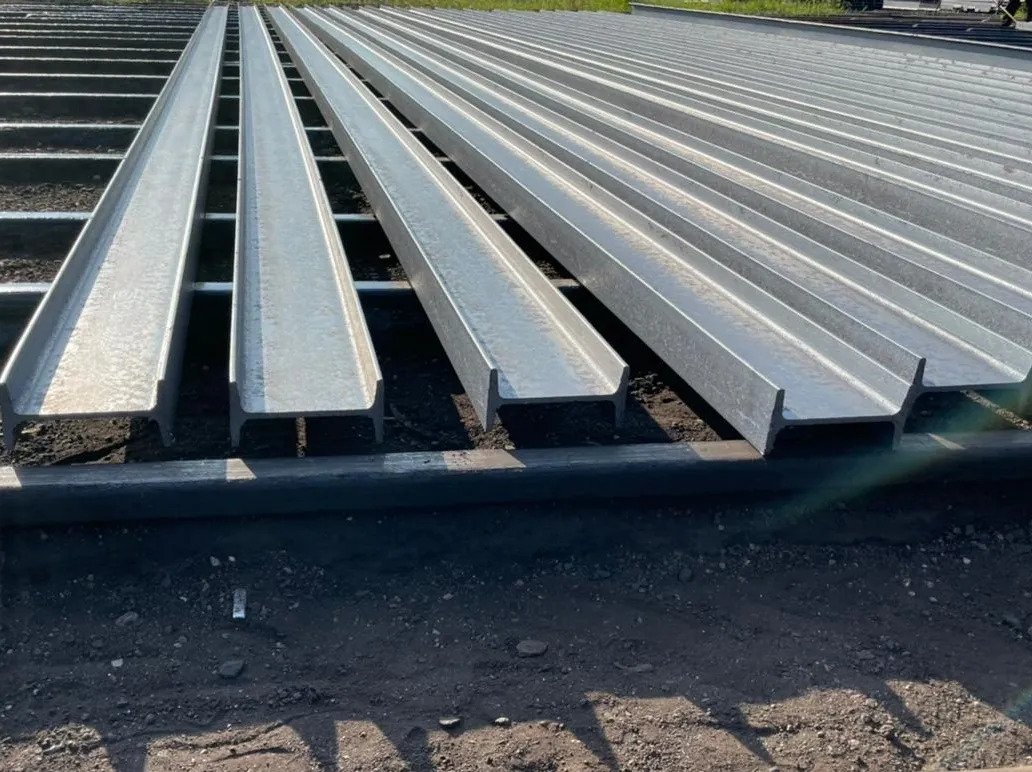
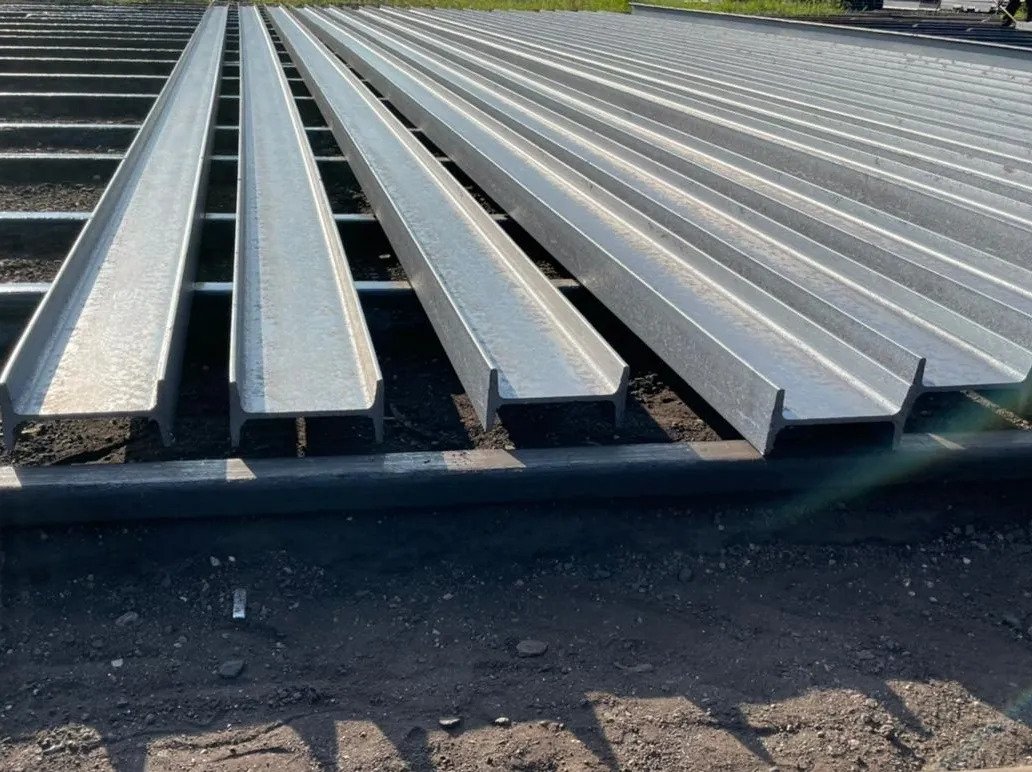
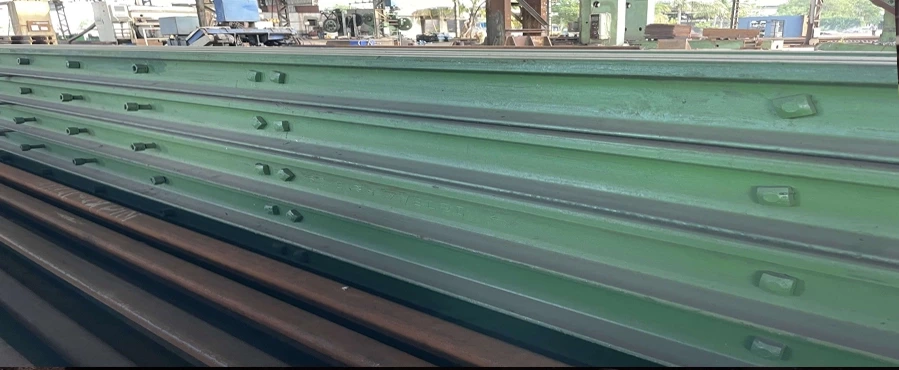
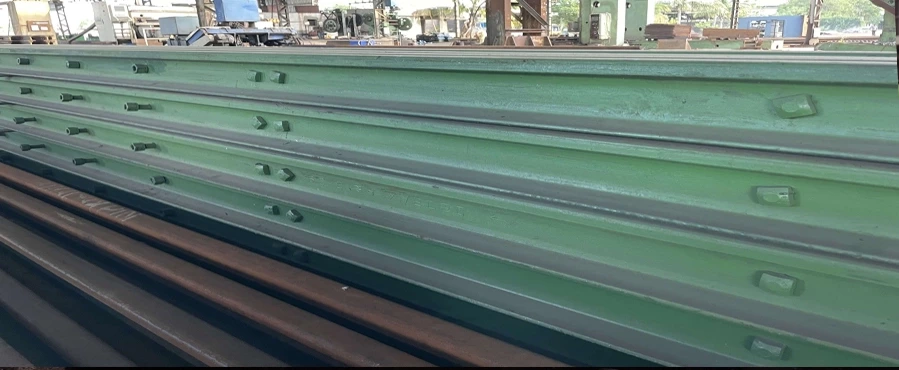
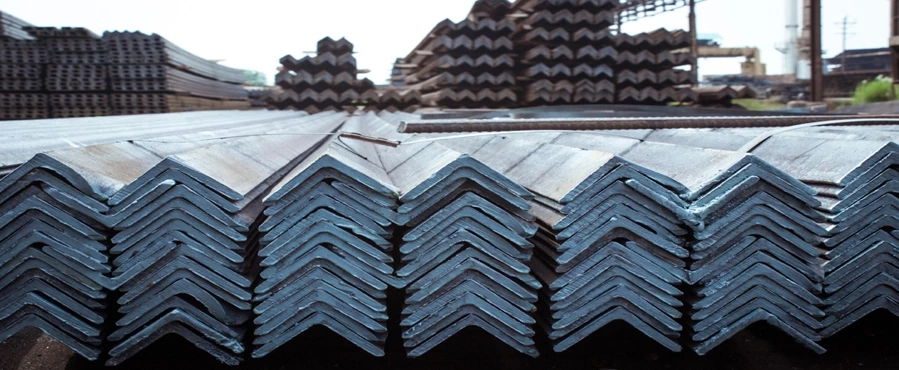
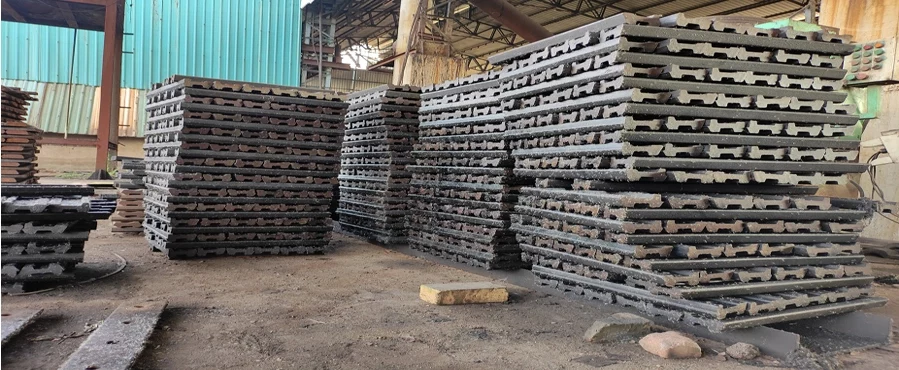
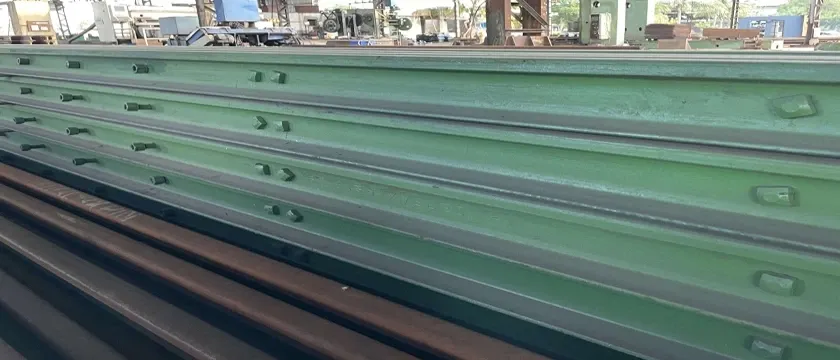
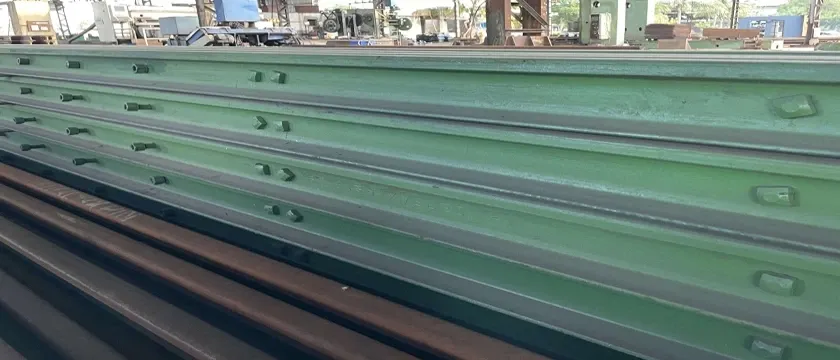
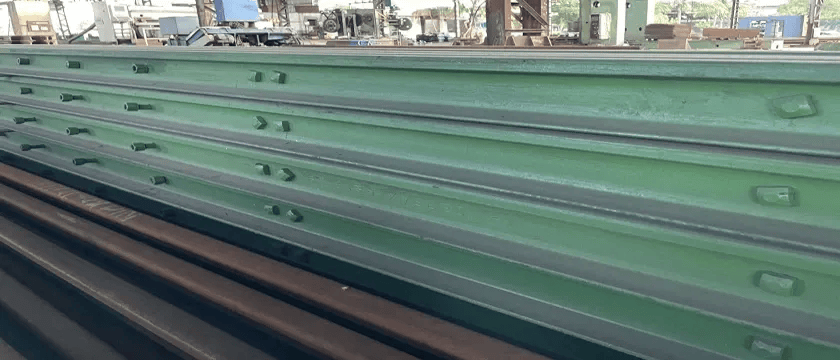
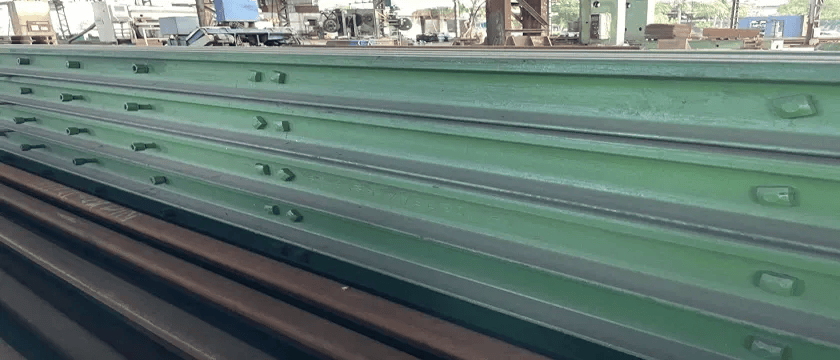
Industrial expansion across Maharashtra's port corridors, automotive manufacturing belts, and heavy fabrication centers requires high-capacity crane runway systems. Sourcing IS 3443-compliant CR-80 ( 64.4 { kg/m} ) and CR-100 ( 89.0 { kg/m} ) crane rails directly from primary integrated mills eliminates the financial markups and metallurgical risks associated with third-party stockyards.
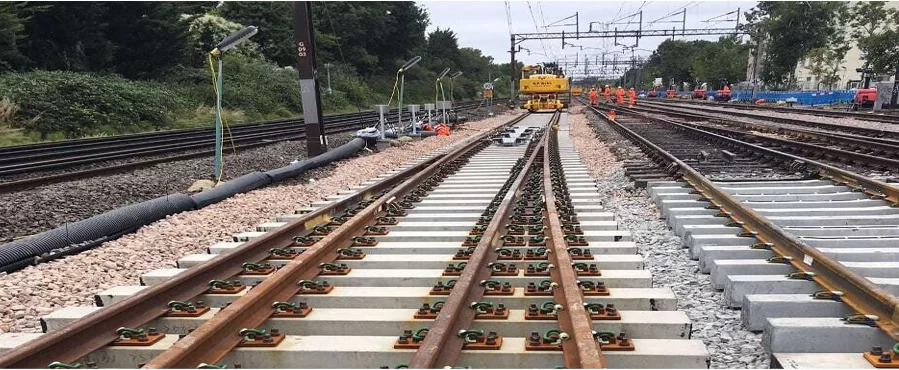
Maharashtra’s Industrial Surge & The Crane Rail Demand
Maharashtra is the industrial backbone of West India, driving heavy steel consumption across distinct industrial clusters:
- Maritime & Container Terminals (JNPT / Mumbai Port / Dighi): High-tonnage quay cranes and rail-mounted gantry (RMG) cranes require continuous CR-100 rail profiles to manage 40+ tonne container lifts without rail head deformation.
- Automotive & Heavy Engineering Hubs (Pune, Chakan, PCMC, Talegaon): Heavy press shops and stamping plants utilize high-capacity Electric Overhead Traveling (EOT) cranes operating on CR-80 and CR-100 runways.
- Logistics & Warehousing Parks (Bhiwandi, Panvel, Nagpur): Multi-bay industrial sheds demand continuous lengths of crane rails engineered for high fatigue life under continuous duty cycles.
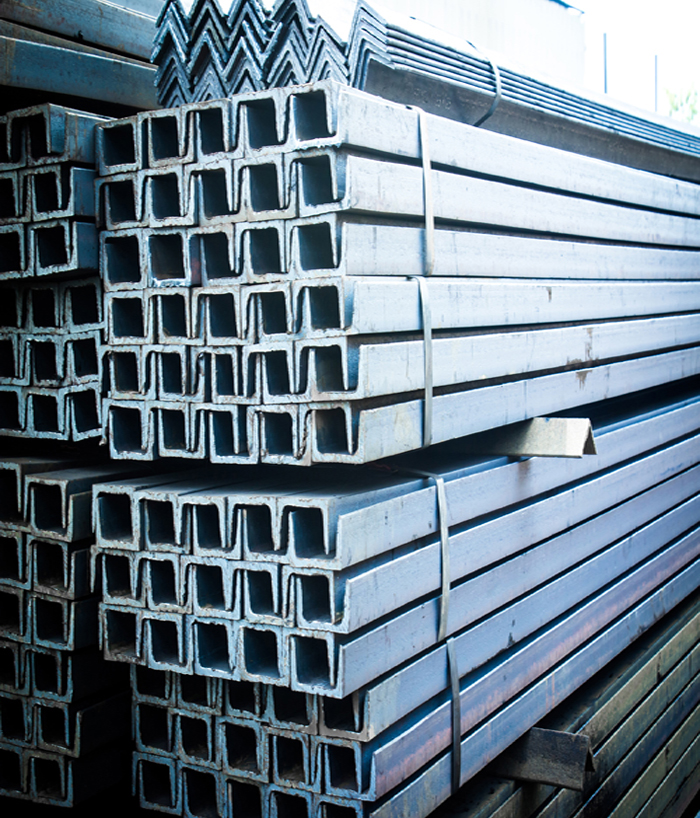
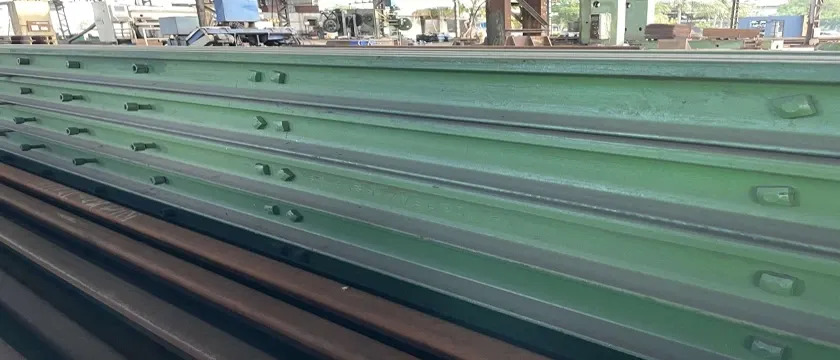
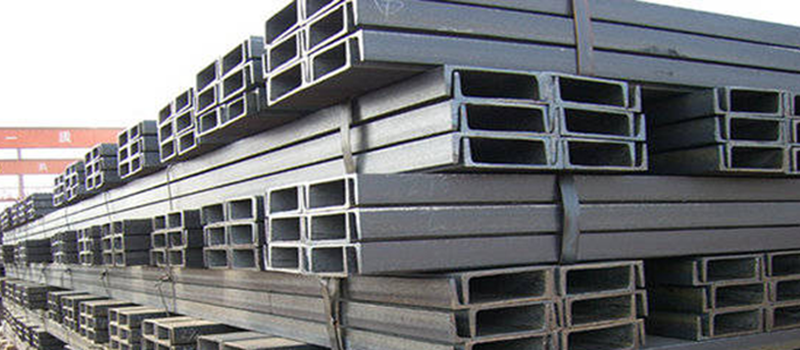
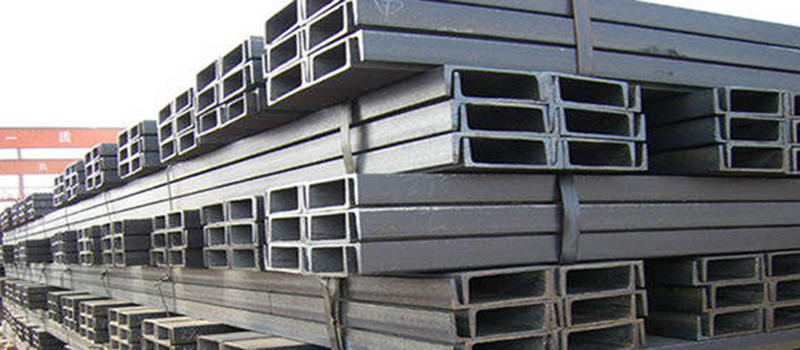
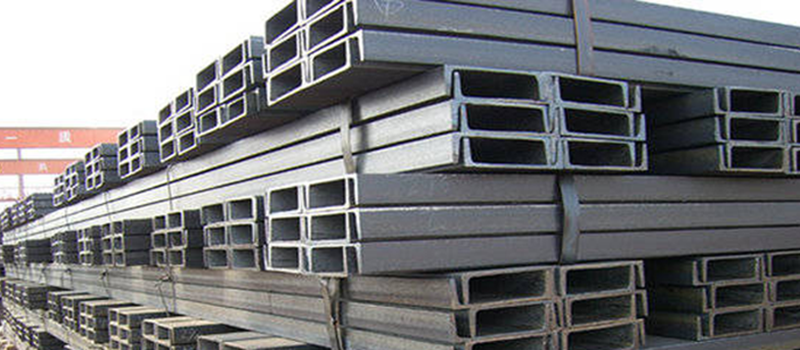
Executing these projects requires sourcing certified steel sections from primary Structure Steel Rail Manufacturers in India to prevent runway alignment failures and unbudgeted downtime.
Technical Mechanics: CR-80 vs. CR-100 Crane Rails
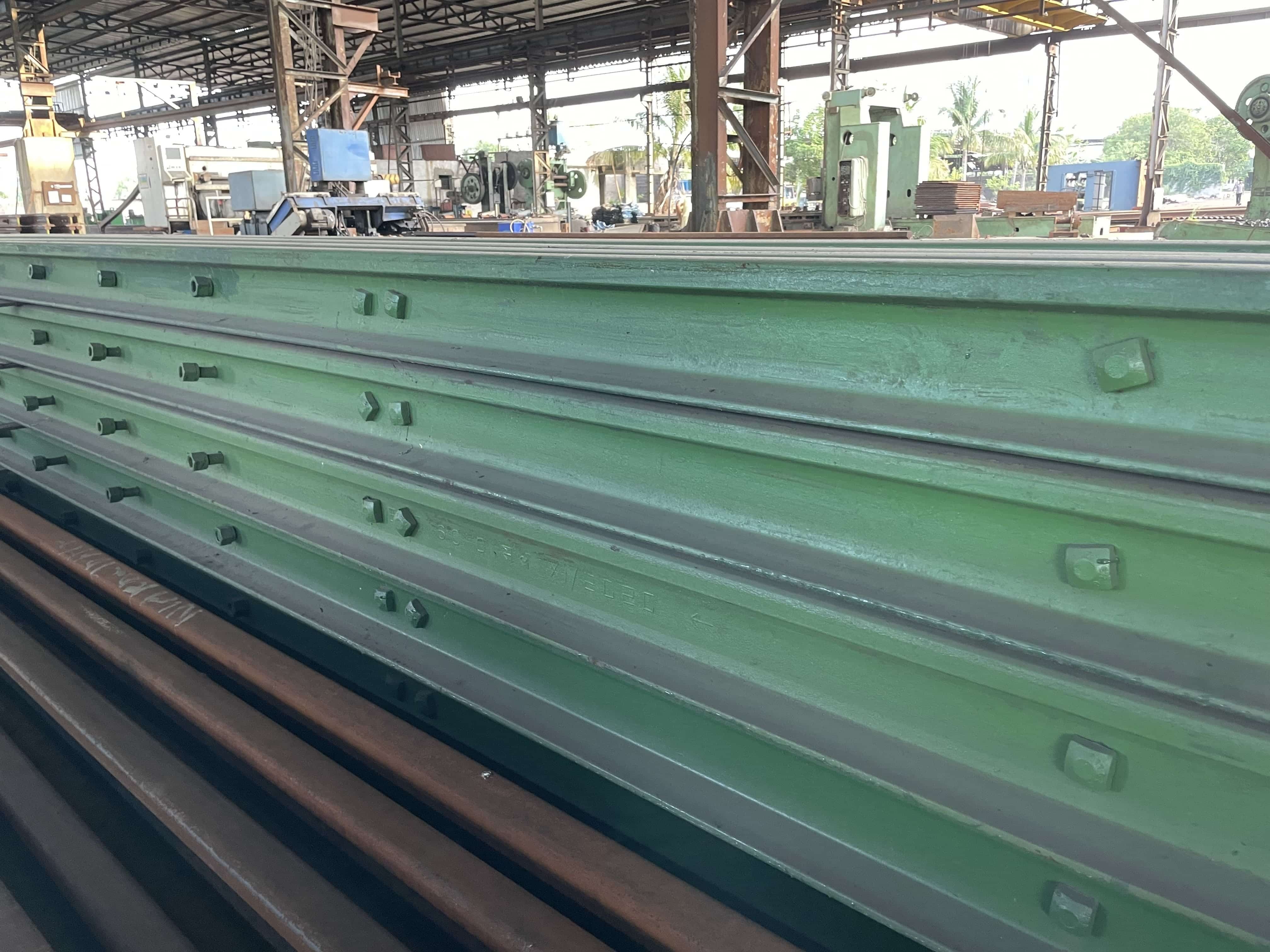
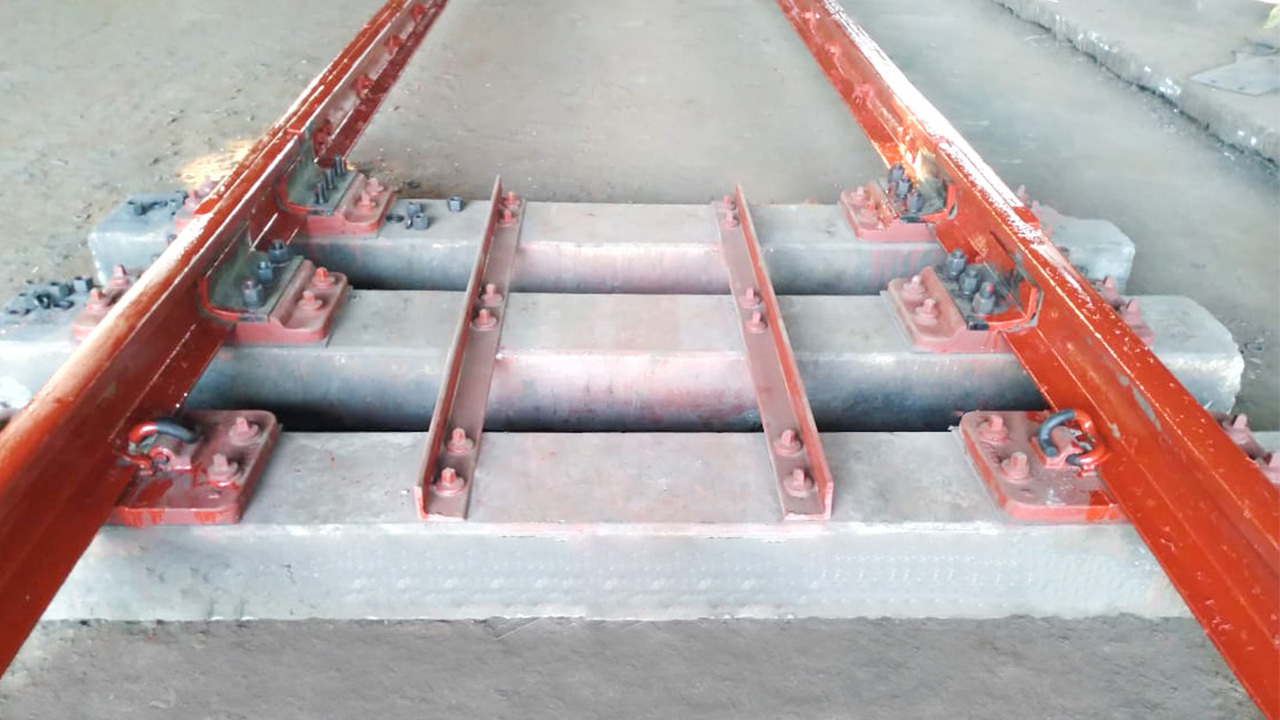
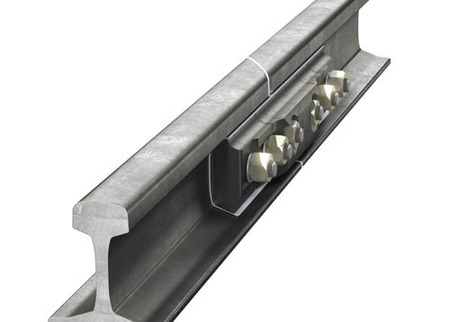
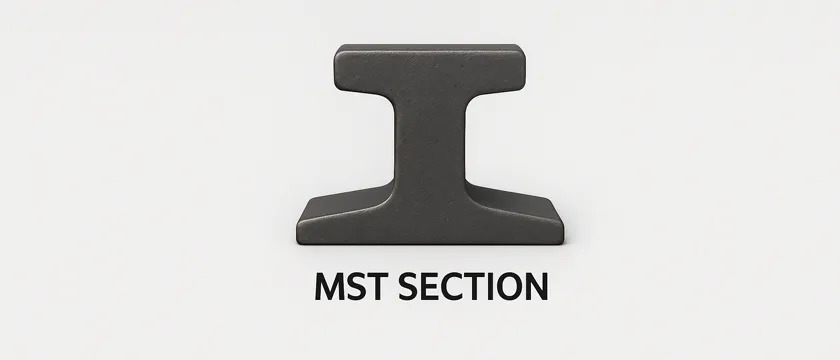
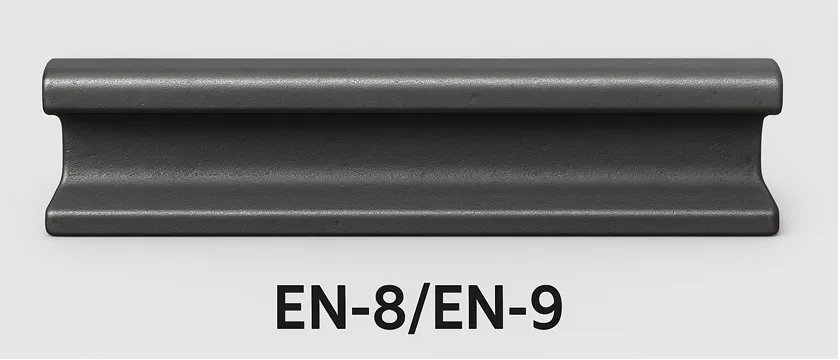
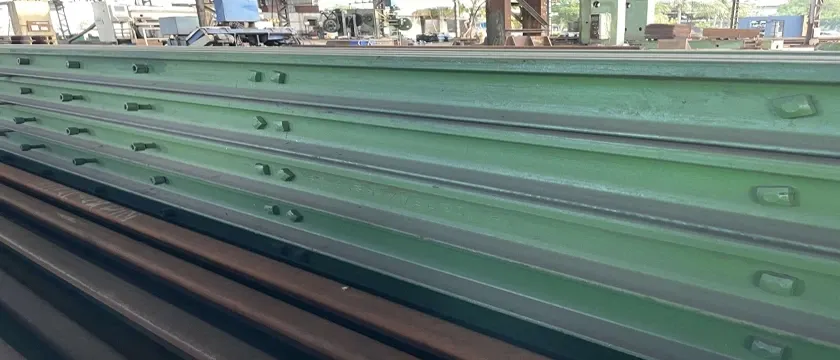
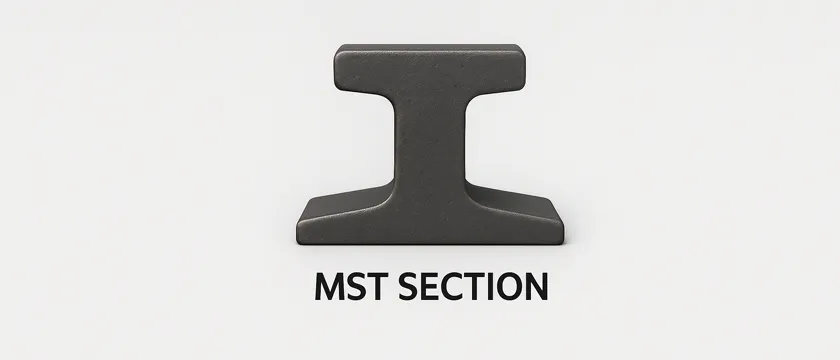
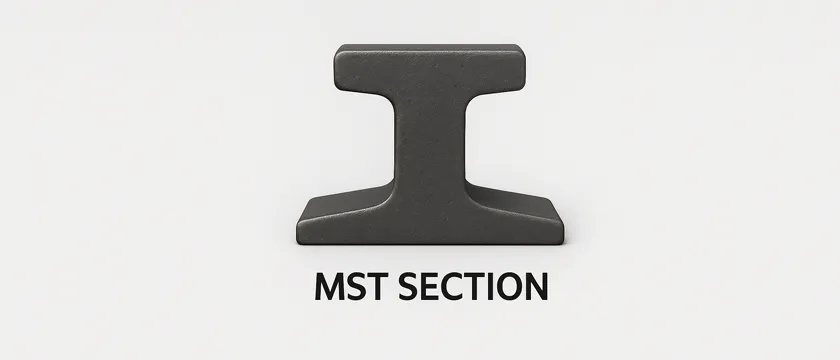
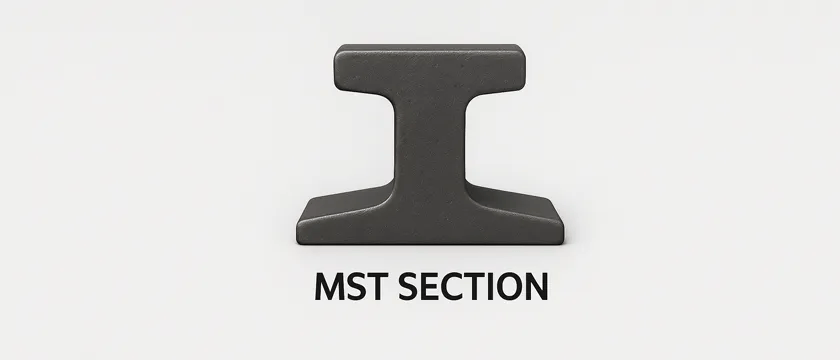
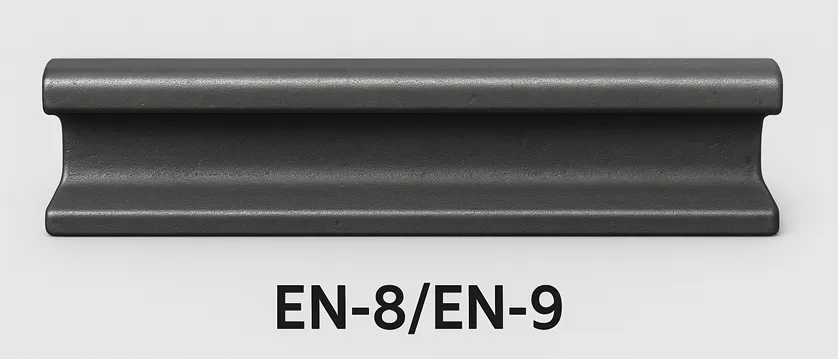
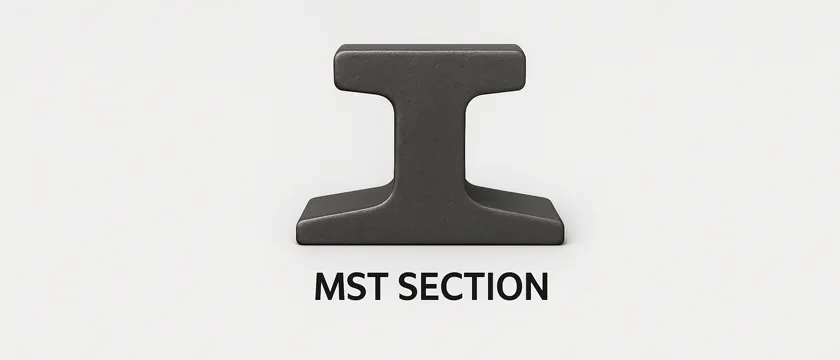
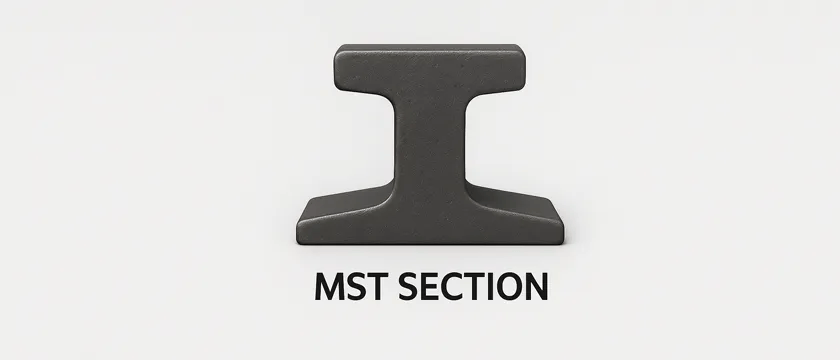
Crane rails (governed by IS 3443) feature a lower height-to-base ratio and a significantly thicker web than standard railway rails (like IRS 52 or UIC 60). This wide-flange geometry distributes immense point loads across the supporting gantry girder, preventing web buckling and localized flange twisting.
Structural Performance Comparison (IS 3443 Standards)
|
Technical Parameter |
CR-80 Crane Rail |
CR-100 Crane Rail |
Standard Railway Rail (52 kg) |
|
Sectional Mass |
64.4 { kg/m} |
89.0 { kg/m} |
51.89 { kg/m} |
|
Head Width ( b_1 ) |
80 { mm} |
100 { mm} |
67.0 { mm} |
|
Overall Height ( h ) |
120 { mm} |
150 { mm} |
156.0 { mm} |
|
Flange Width ( b_2 ) |
140 { mm} |
150 { mm} |
136.0 { mm} |
|
Web Thickness ( d ) |
32 { mm} |
40 { mm} |
15.5 { mm} |
|
Typical Wheel Load Capacity |
Up to 30 { Tonnes} |
Up to 45 { Tonnes} |
Not Recommended for Heavy EOT |
|
Primary Metallurgy |
High Carbon-Manganese ( > 700 { MPa} ) |
High Carbon-Manganese ( > 700 { MPa} ) |
Medium Carbon ( approx 710 { MPa} ) |
The Risk of Sourcing Crane Rails Through Regional Stockists
When procurement managers source structural rails through local traders in West India, they often encounter secondary supply-chain issues:
- Improper Profile Substitution: Stockists frequently attempt to sell standard flat-bottom railway rails (52{ kg/m}) as substitutes for CR-80 crane rails. Railway rails have thin webs (15.5{ mm} vs. 32{ mm}) that can fail under heavy lateral EOT crane thrusts.
- Lack of Batch Traceability: Re-rolled or secondary rails often lack heat-number embossing. Without a verified Manufacturer Test Certificate (MTC), there is no guarantee that sulfur and phosphorus are capped below 0.035%, leading to brittle cracking along the rail base.
- Compounded Handling Fees: Freight passing through multiple distributor yards adds 8% to 15% in handling markups and increases the risk of mechanical rail head pitting during transport.
Partnering with established Structure Steel Rail Manufacturers in Maharashtra supply channels ensures direct-from-mill transport, batch-specific chemical testing, and exact physical geometry.
4-Step Site Quality Inspection Protocol
Before installing delivered CR-80 or CR-100 rails on gantry girders, site QA/QC engineers should complete the following verification process:
- Dimensional Tolerance Audit: Measure head width, overall height, and flange base using digital calipers. Confirm weight tolerances remain within pm 2.5% of IS 3443 nominal mass.
- Chemical Composition Review: Check the MTC to ensure carbon content is maintained between 0.50% and 0.70\% for optimal wear resistance under steel crane wheels.
- Straightness Inspection: Inspect for lateral sweep or camber. Rails must not exceed a deviation of 1{ mm} per meter of length to prevent premature crane wheel flange wear.
- End-Face Squareness: Verify that rail ends are saw-cut perfectly square (90 degree) to allow tight, gapless joint fitting or smooth thermite welding along the runway.
Frequently Asked Questions (FAQ)
1. What is the main structural difference between CR-80 and CR-100 crane rails?
CR-80 weighs 64.4{ kg/m} with an 80{ mm} head width, making it ideal for EOT cranes with wheel loads up to 30 tonnes. CR-100 weighs 89.0{ kg/m} with a 100{ mm} head width, designed for heavy-duty industrial cranes carrying up to 45 tonnes.
2. Why can't standard structural I-beams be used as crane tracks?
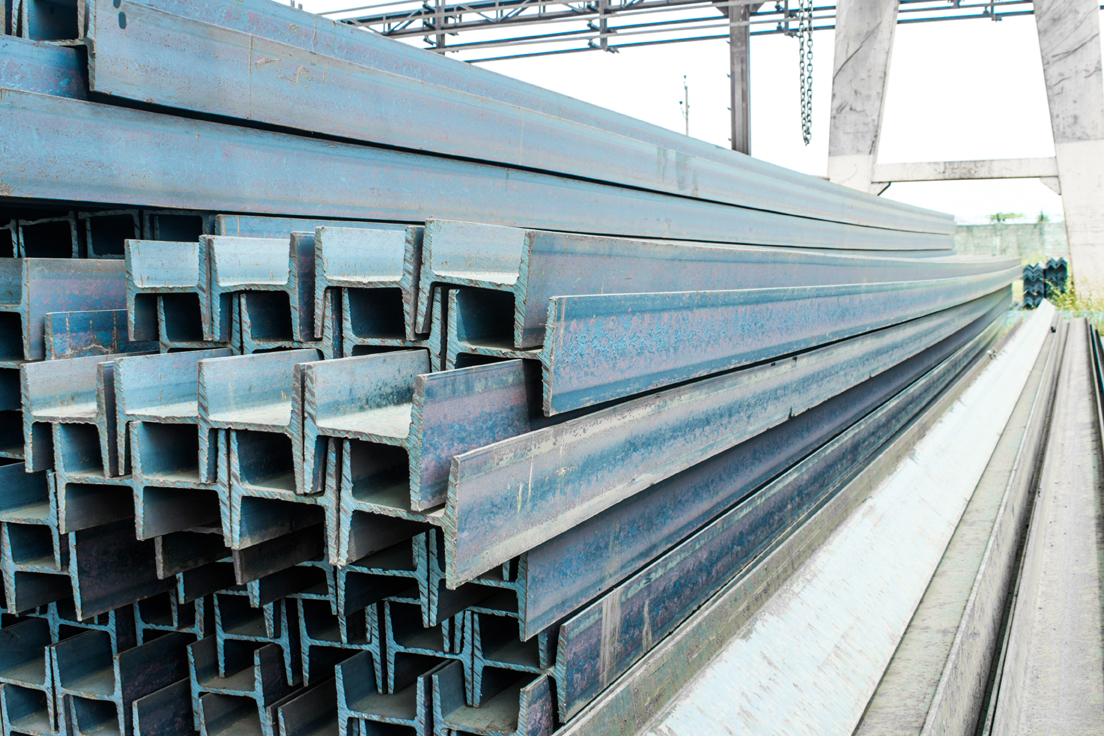
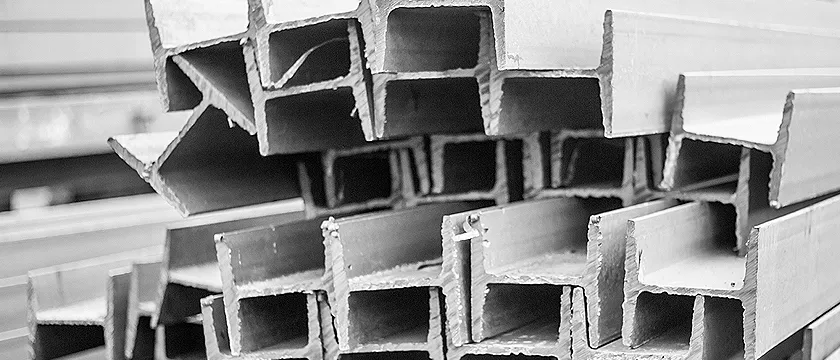
I-beam flanges are not designed for concentrated point loading. Crane wheels will deform the thin flange of a standard beam, whereas dedicated IS 3443 crane rails feature thick webs and hardened heads engineered specifically for rolling friction.
3. How are CR-80 and CR-100 rails secured to the runway girder?
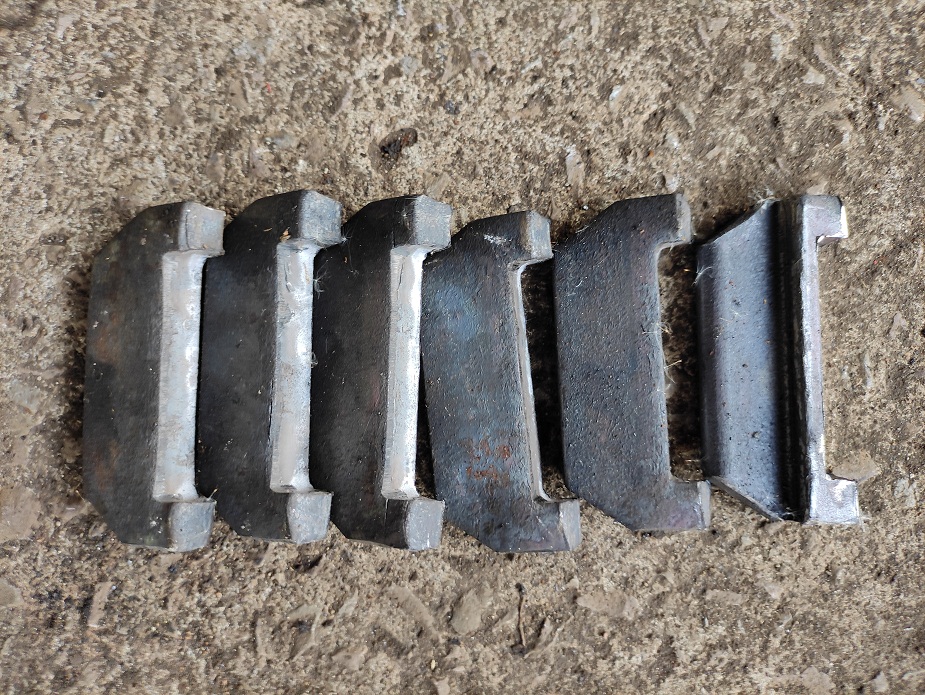
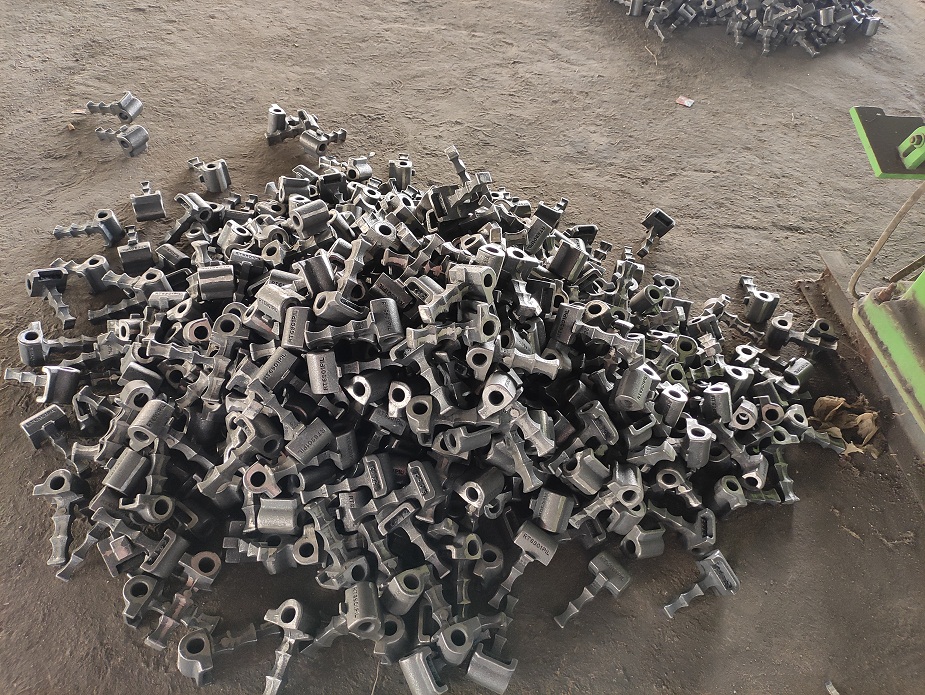
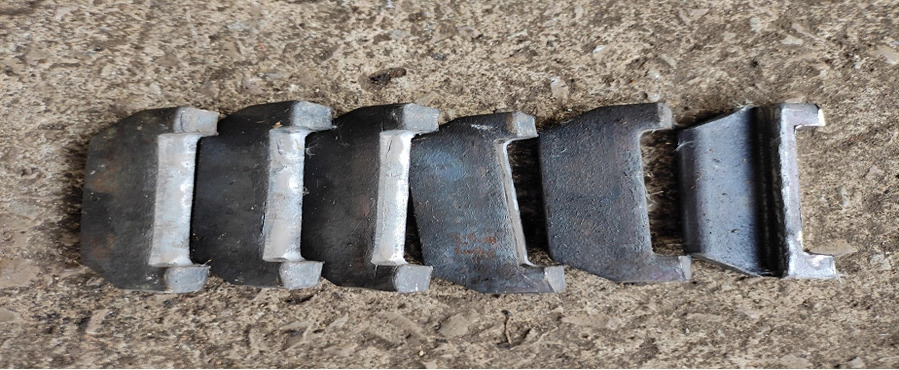
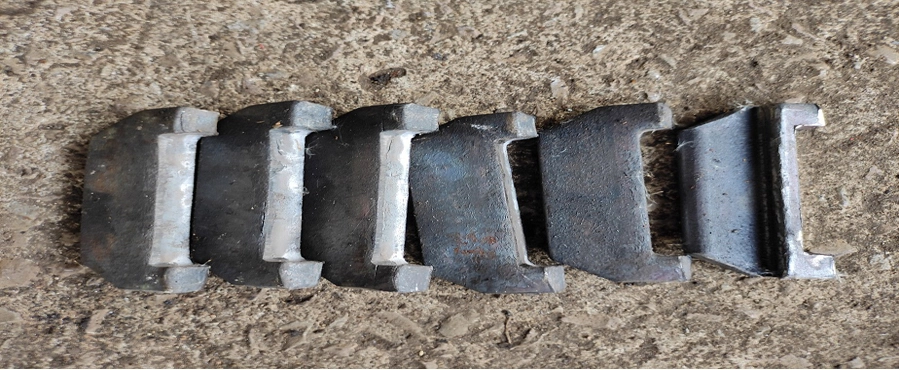
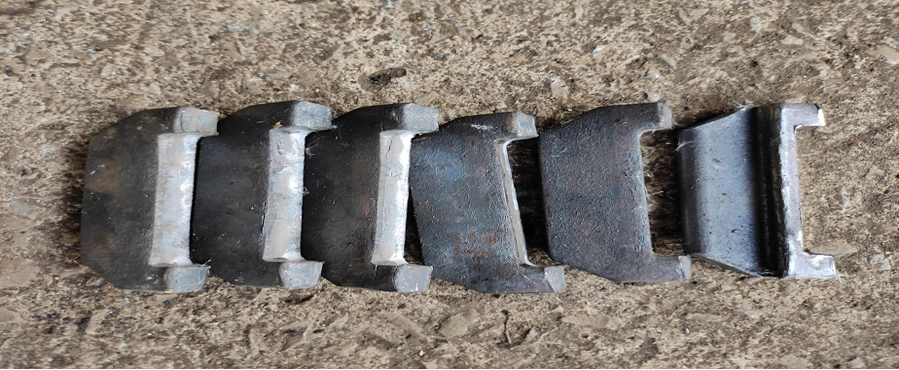
They are fastened using heavy-duty, adjustable forged steel crane clips with synthetic rubber pads underneath the rail base. This absorbs impact vibration and permits thermal expansion.
4. Can crane rails be welded continuously?
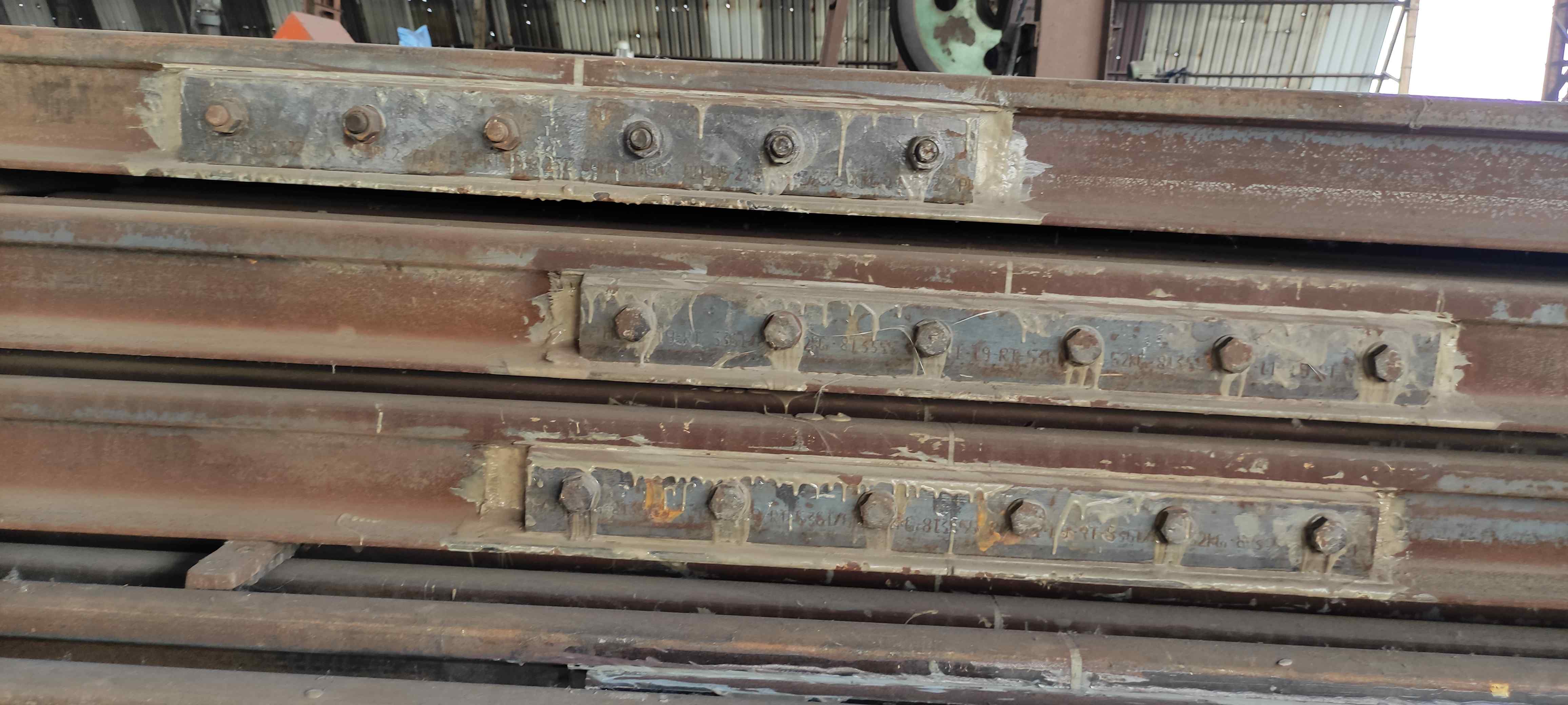
Yes. Crane rails can be joined using thermite welding or enclosed arc welding processes, provided pre-heating parameters are strictly maintained according to the steel's carbon equivalent.
5. What standard governs crane rail manufacturing in India?
IS 3443 is the primary Bureau of Indian Standards code governing the dimensions, tolerances, and weight requirements for hot-rolled crane rail profiles.
6. How do integrated primary mills prevent premature rail head wear?
Primary mills use basic oxygen furnace (BOF) steelmaking and continuous bloom casting to eliminate internal impurities, producing uniform carbon-manganese metallurgy that resists surface metal flaking.
7. Why should Maharashtra EPC projects source rails directly from Central India primary mills?
Primary integrated mills in Central India operate high-capacity rolling lines that supply certified, single-piece rail sections directly to sites across Mumbai, Pune, and Nagpur, bypassing intermediate distributor fees.
8. What is the standard length supplied for CR-80 and CR-100 rails?
Standard mill lengths are 10{ meters} to 13{ meters}. Direct procurement allows for custom rolling lengths to minimize on-site joints.
9. How does head width impact EOT crane selection?
The rail head width (80{ mm} or 100{ mm}) must match the tread profile of the crane wheel. An incorrect match creates concentrated edge loading, causing rapid wheel and rail destruction.
10. How can I verify that delivered crane rails are authentic primary steel?
Check for raised brand embossing along the web, verify the heat number against the official Manufacturer Test Certificate (MTC), and ensure the chemical composition meets IS 3443 limits.
Streamline Your Industrial Steel Procurement
Avoid construction delays, weight variances, and middleman markups on your next industrial infrastructure project in West India.
Partner directly with certified Structure Steel Rail Manufacturers in India to secure IS 3443-compliant CR-80 and CR-100 crane rails manufactured to exact engineering tolerances.
Ready to direct-source your crane runway steel?
Submit Your Technical Inquiry & Requirement Details Here to receive factory-direct pricing and mill-certified material specifications for your project.
Technical Sourcing Guide | Published by Prime Ispat Procurement Cell | Updated: July 2026