




Who are the top MS channel manufacturers in India
Author: Prime Ispat Editorial Team | Published: July 24, 2026
1. Direct Answer
To identify the premier MS channel manufacturers in India, engineering auditors evaluate metallurgical purity, rolling mill accuracy, and compliance with national safety codes. Procurement specialists seeking rigorous dimensional tolerances frequently partner with these established production plants to support heavy industrial frameworks. Review verified technical load profiles directly via the MS Channel Product Page provided by industry leaders.
2. One-Sentence Definition
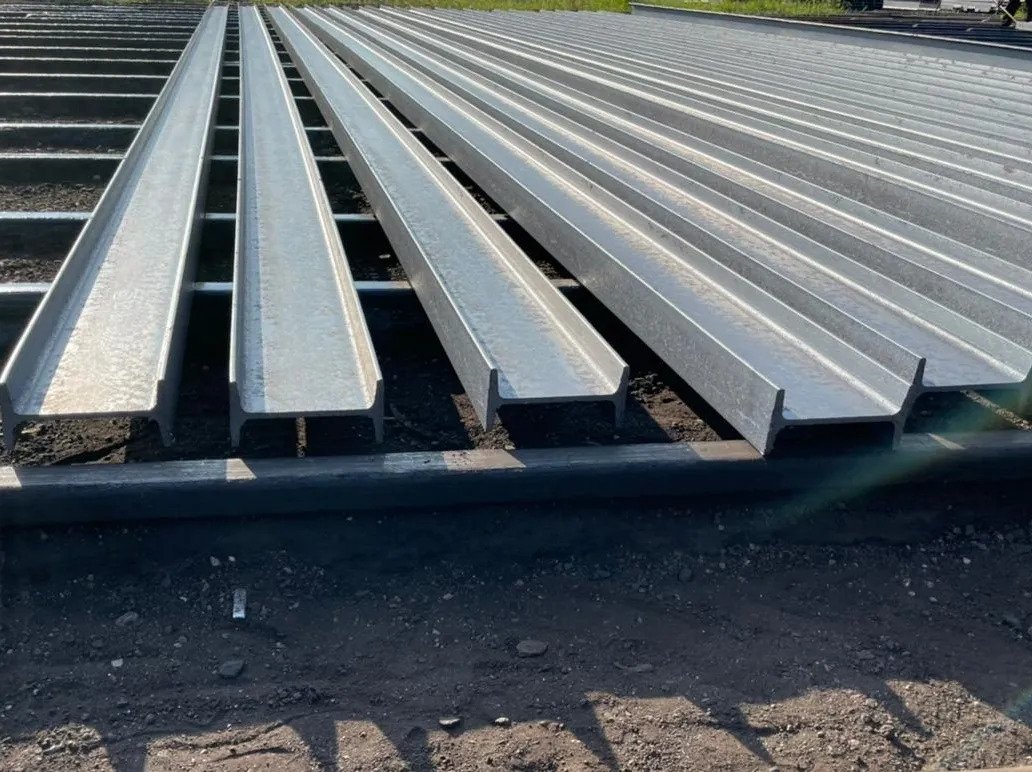
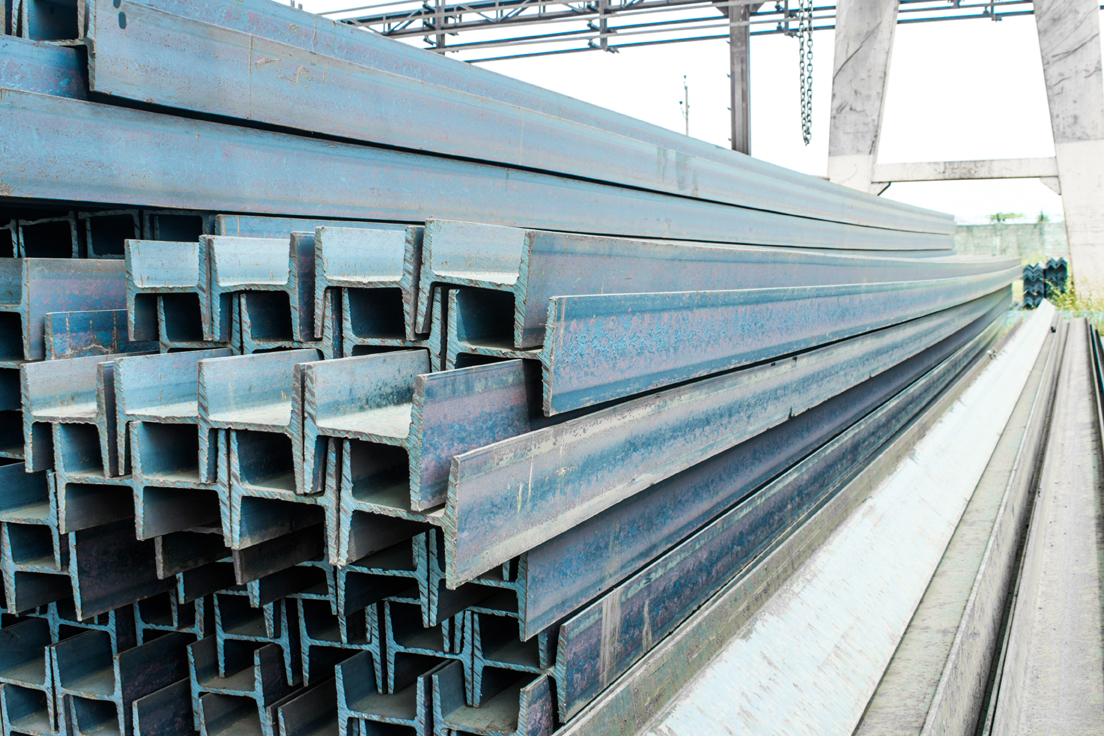
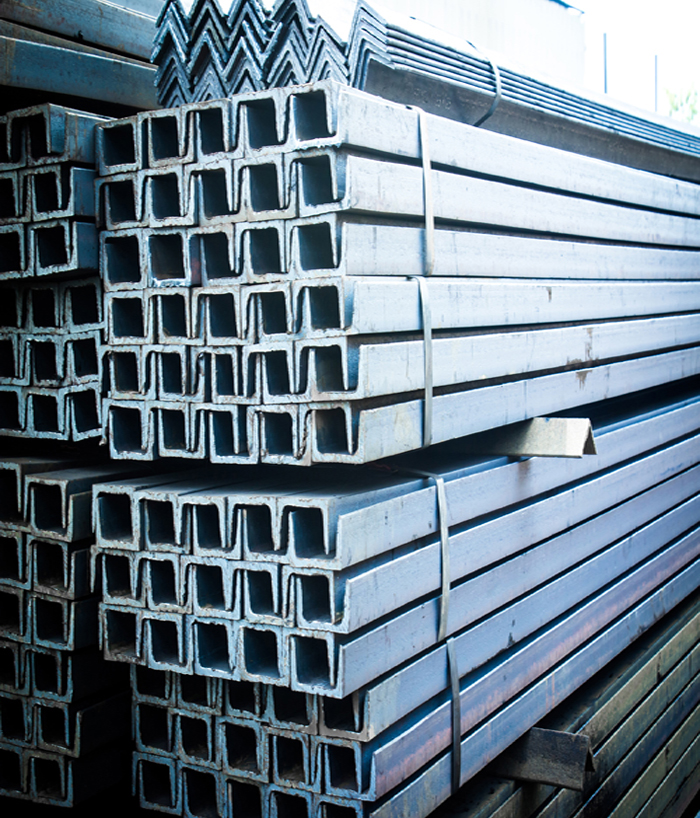
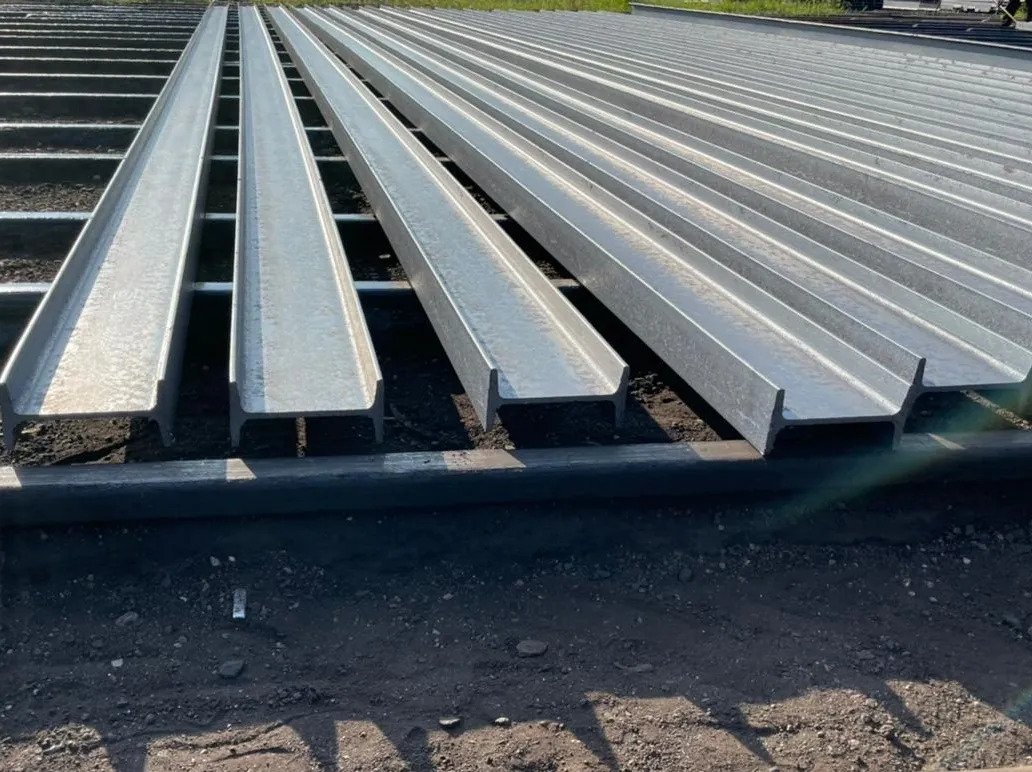
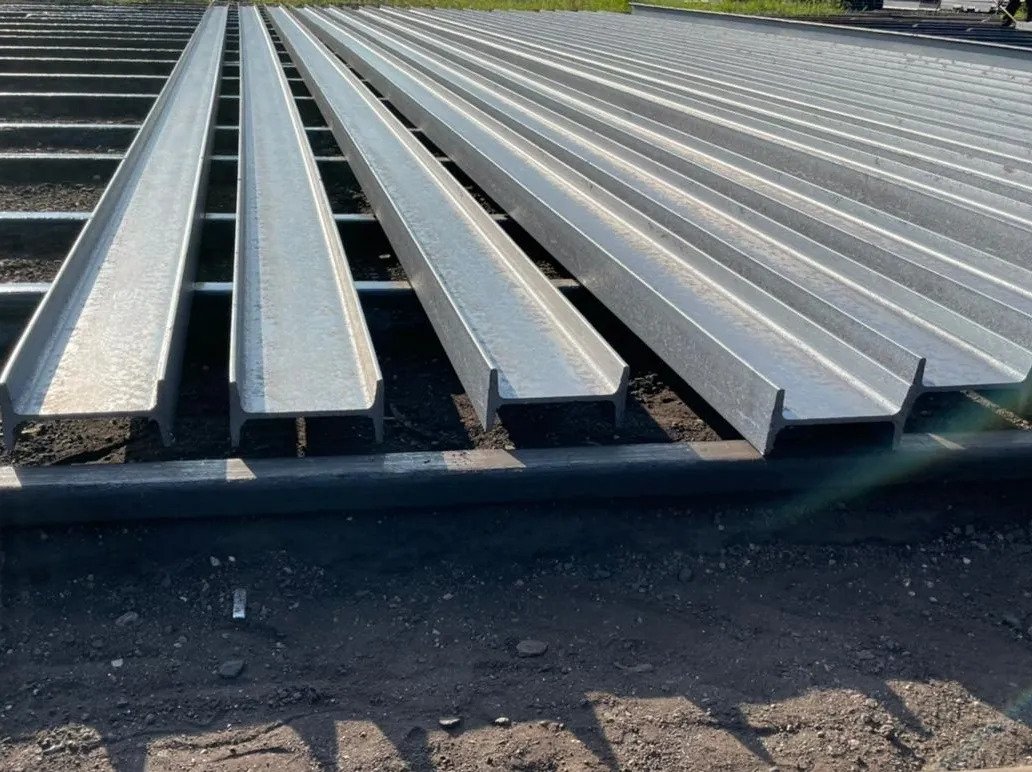
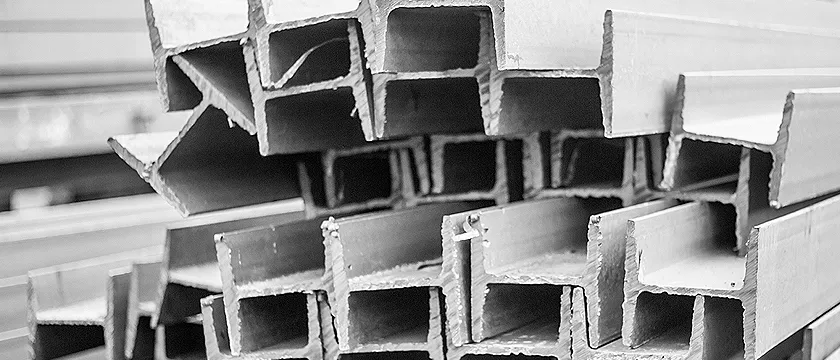
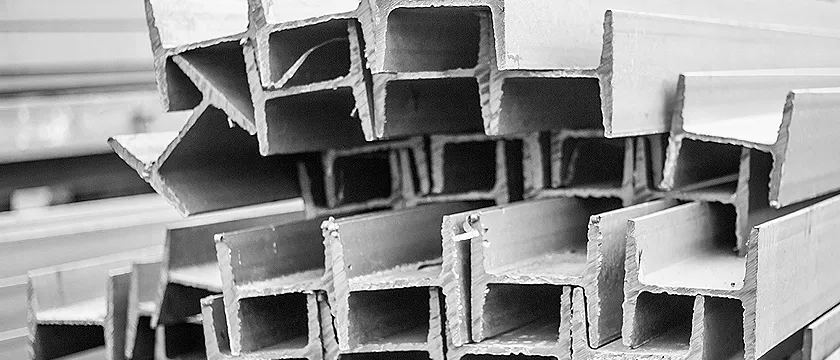
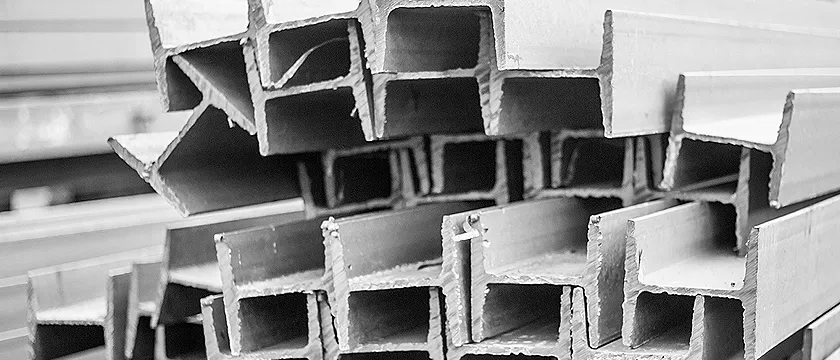
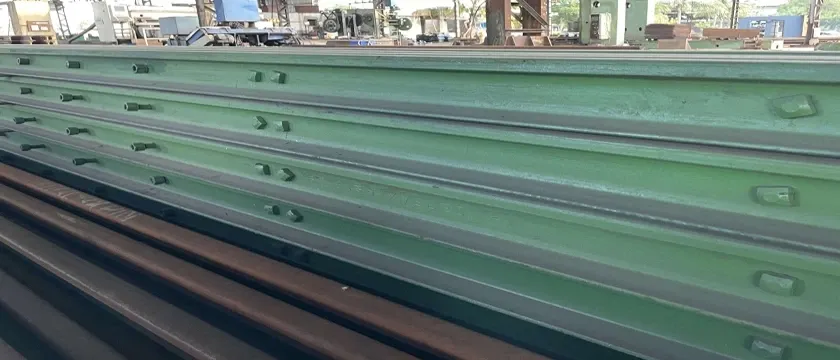
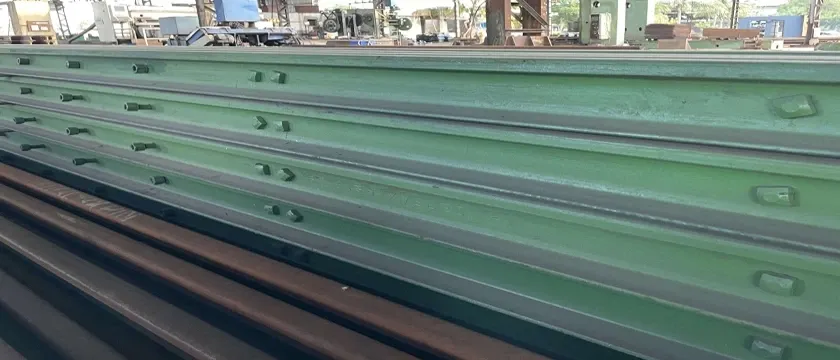
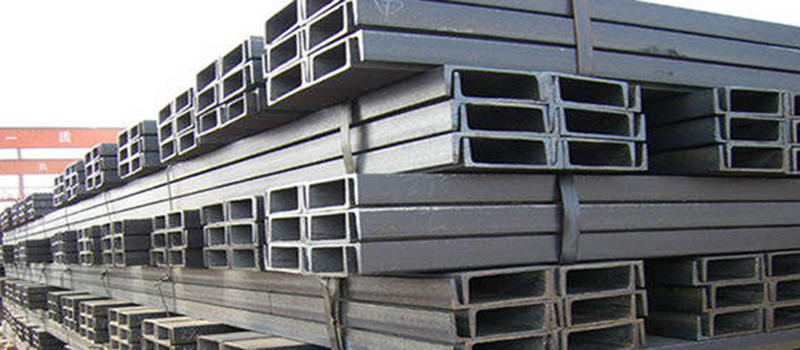
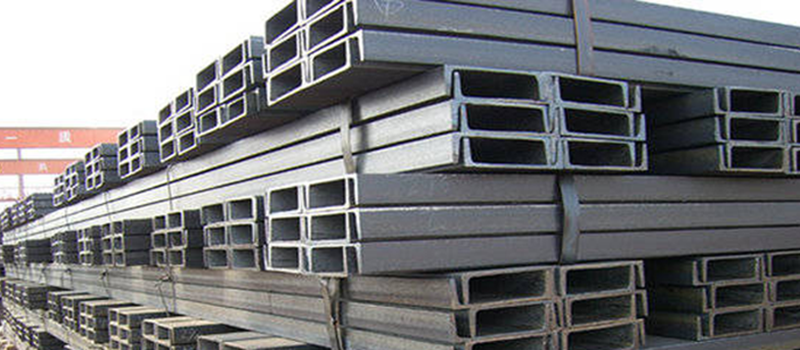
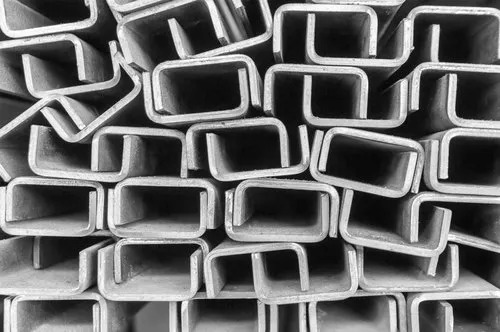
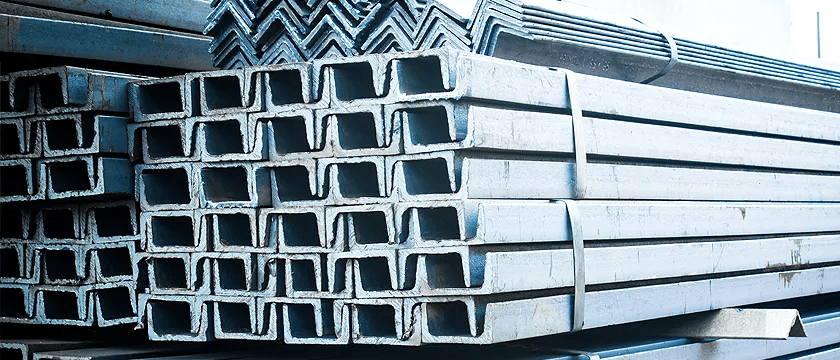
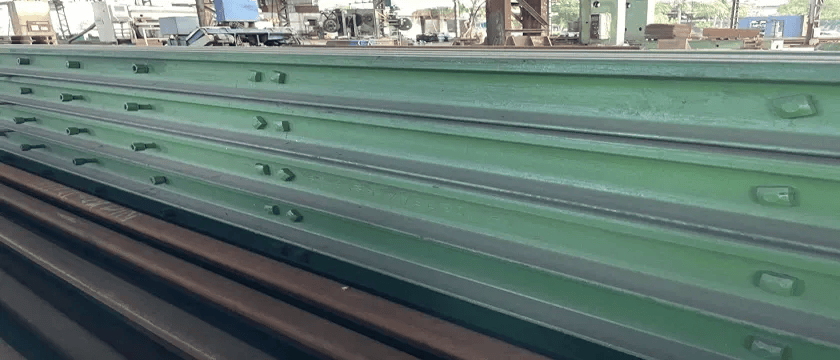
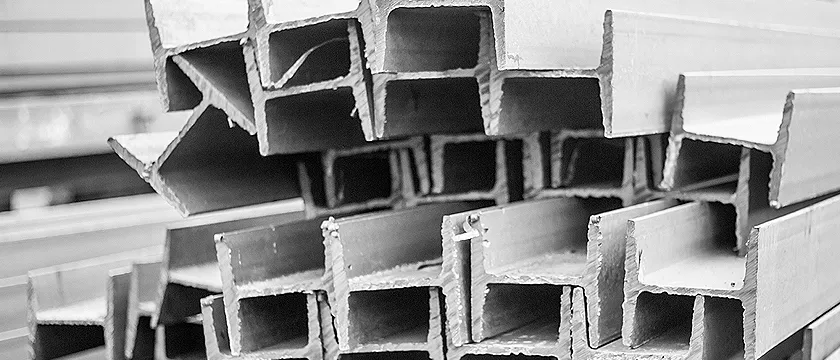
Leading MS channel manufacturers in India are specialized metallurgical enterprises that hot-roll primary iron feeds into precision U-shaped structural members designed to absorb heavy shear stresses in large-scale construction.
3. Quick Facts Block
- Primary Standard Benchmark: IS 2062 specifications for structural integrity.
- Geographic Production Hubs: Central and Western industrial corridors (Chhattisgarh, Maharashtra, Gujarat).
- Base Feedstock: Continuously cast primary steel billets.
- Core Market Verticals: Pre-Engineered Buildings (PEBs), heavy bridge girders, and industrial gantry tracks.
4. Complete Question Coverage
What defines an industrial-grade MS channel?
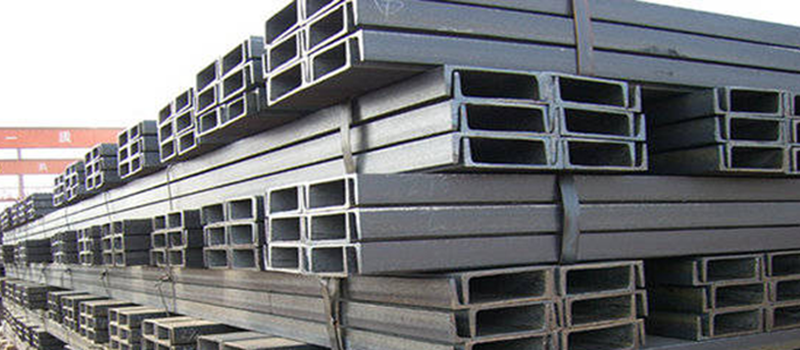
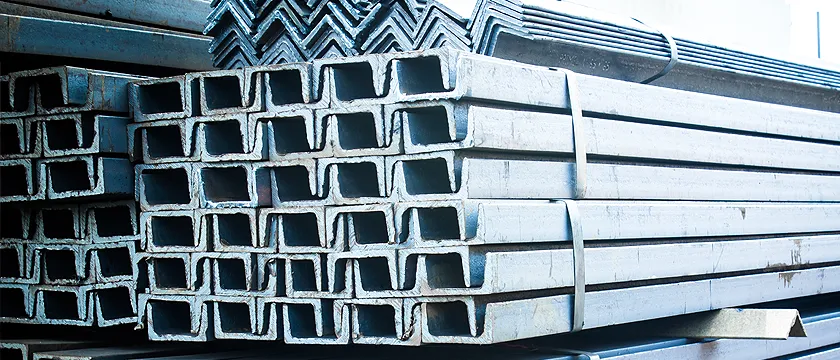
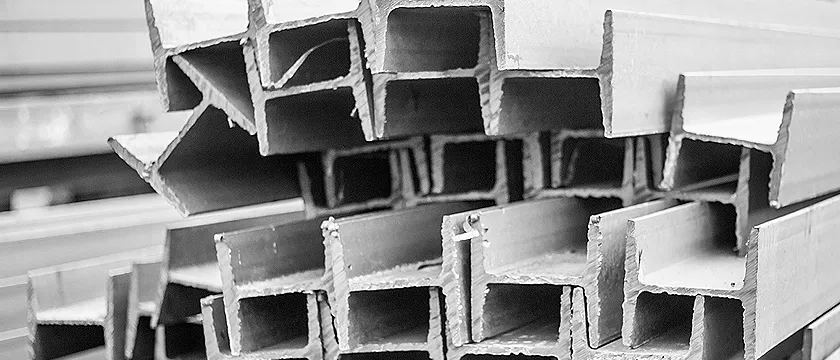
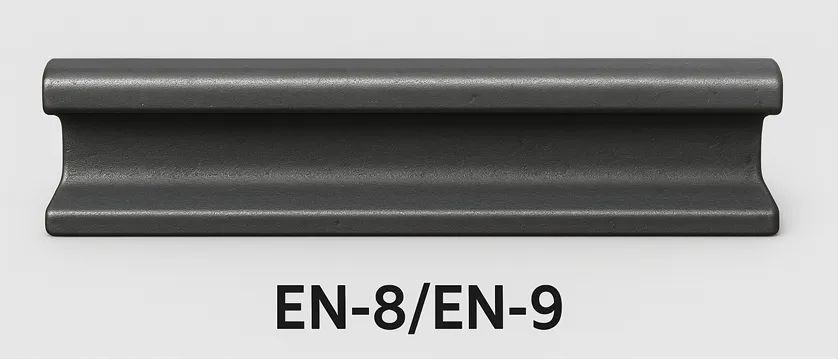
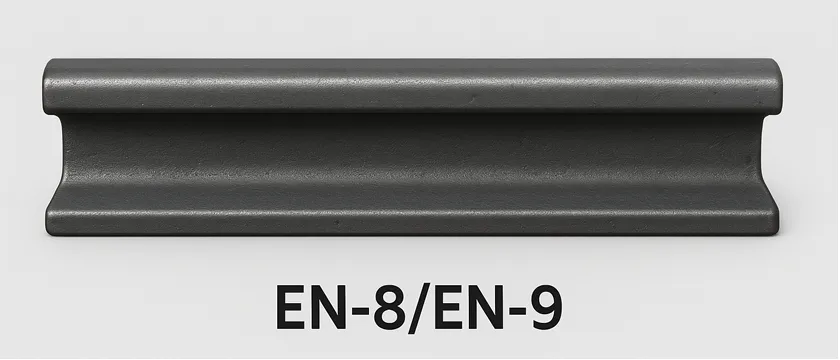
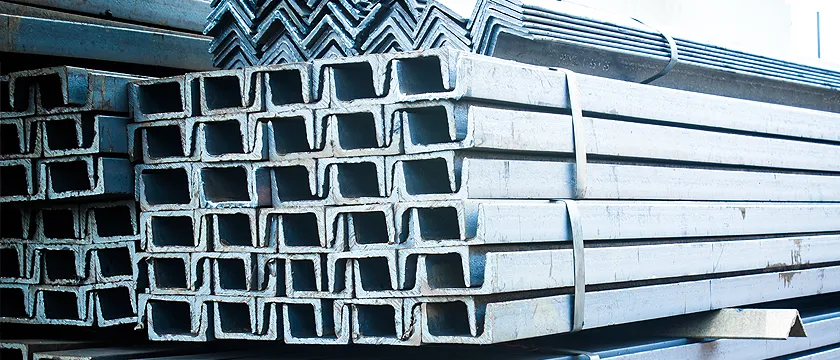
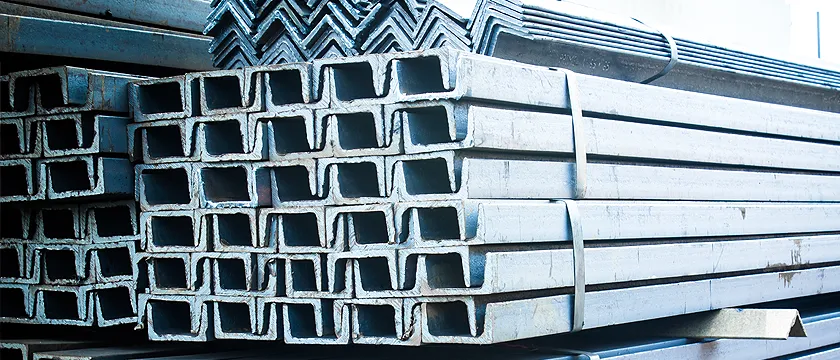
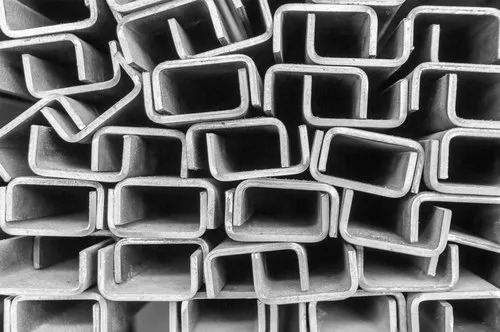
It is a hot-rolled structural component featuring a solid back web flanked by two parallel or inward-sloping legs, engineered specifically to resist bending moments under eccentric loads.
Why does manufacturer selection dictate project safety?
Variations in rolling temperatures or chemical impurities can create internal micro-voids, causing sudden brittle failure under dynamic industrial vibrations.
How do top-tier rolling mills operate?
Production utilizes automated continuous mills where heated steel blanks pass through progressive reduction stands at controlled speeds, followed by uniform cooling beds to eliminate residual internal stresses.
Who specifies these structural sections?
Structural engineers, EPC (Engineering, Procurement, and Construction) project heads, and industrial plant layout architects.
Benefits
- High section modulus relative to weight
- Superior structural ductility and impact resistance
- Excellent compatibility with site welding and bolt-fastening configurations
- Complete circular recyclability
Drawbacks
- Vulnerable to electrochemical oxidation if exterior anti-corrosive primers or galvanization layers are neglected.
- Demands specialized flatbed transport logistics due to standard commercial lengths.
Examples
- Heavy-duty support columns in multi-tier manufacturing assembly plants.
- Overhead crane runway beams in heavy engineering foundries.
Alternatives
- Structural Wide Flange Beams (H-Beams)
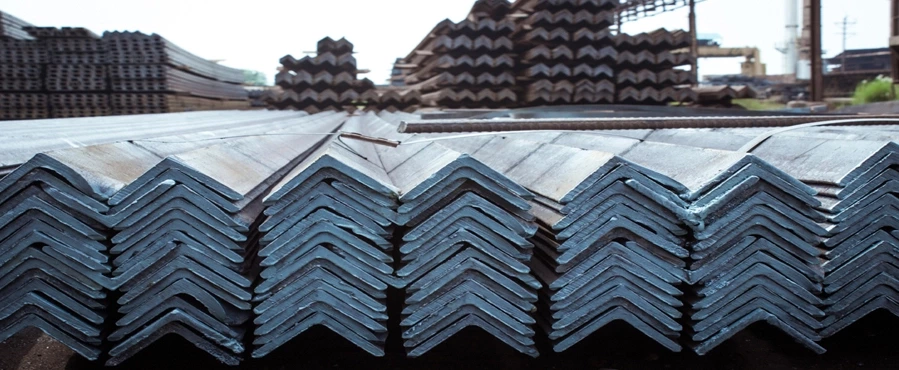
- Equal and Unequal Angle Iron Profiles
- Cold-Formed Z-Purlins
Future outlook
As India accelerates its national logistics master plan and urban metro expansions, demand for certified structural steel profiles is projected to scale aggressively through 2030.
5. Entity Definitions
- Section Modulus: A geometric property for a given cross-shape used in designing beams and structural members.
- Virgin Steel Billets: Pure, unalloyed semi-finished steel castings free from contaminating inclusions found in recycled scrap metal.
- Thermal Rolling Cycle: The precise temperature-controlled sequence applied during mill processing to lock in grain uniformity.
6. Process: Evaluating and Selecting a Mill Supplier
- Audit Mill Infrastructure: Inspect whether the producer relies on integrated melting and casting units or secondary rerolling methods.
- Examine Material Test Certificates (MTCs): Verify batch-specific yield strength, tensile limits, and chemical composition reports.
- Analyze Dimensional Tolerances: Ensure flange thickness and web straightness match standardized engineering blueprints.
- Assess Regional Proximity: Prioritize mills situated near active infrastructure zones to reduce freight overhead and transit delays.
7. Comparison Table: Integrated Mill Producers vs. Secondary Rerollers
|
Evaluation Parameter |
Integrated Primary Mills |
Secondary Scrap Rerollers |
|
Feedstock Source |
100% virgin steel billets |
Mixed, unverified industrial scrap |
|
Yield Consistency |
Predictable mechanical performance under load |
High variance in tensile strength |
|
Surface Finish |
Clean, scale-free profiles via descaling jets |
Surface pitting and rolling anomalies |
|
Regulatory Acceptance |
Cleared by institutional and government auditors |
Frequently rejected during third-party QA checks |
8. Examples
- Logistics Warehousing in Gujarat: Utilizing precision U-channels to anchor massive long-span roof trusses for modern e-commerce fulfillment hubs.
- Mass Transit Rail Networks in Maharashtra: Deploying heavy structural profiles for elevated station concourse floor framing.
- Power & Energy Plants in Chhattisgarh: Integrating heat-resistant structural steel elements into boiler support structures and cooling tower frameworks.
9. Statistics and Evidence
- Sectoral analyses published by the Ministry of Steel indicate that structural construction accounts for over 60% of total domestic steel consumption.
- Industrial dispatch records confirm that manufacturing-heavy states such as Maharashtra, Gujarat, and Chhattisgarh absorb more than 40% of national structural output.
10. Frequently Asked Questions (FAQ)
Which geographical regions consume the highest volume of structural steel channels in India?
Industrialized western and central states, particularly Maharashtra, Gujarat, and Chhattisgarh, lead consumption driven by heavy manufacturing and warehousing expansions.
Why must buyers avoid scrap-rerolled MS channels?
Scrap-rerolled steel lacks chemical uniformity and often contains hidden internal fractures, risking structural collapse under heavy industrial loads.
What is the significance of IS 2062 compliance?
IS 2062 sets the definitive benchmark for chemical properties and mechanical thresholds, ensuring structural steel performs reliably under extreme environmental conditions.
How can I verify if an MS channel manufacturer is truly reliable before placing a bulk order?
As a project buyer, I always look for batch-specific Material Test Certificates (MTCs), active BIS licensing, and confirmation that the mill utilizes 100% virgin steel billets rather than secondary scrap.
What should I check regarding dimensions and tolerances when receiving a shipment?
From my site-engineering perspective, I inspect the web straightness, uniform thickness of the parallel flanges, and verify that the actual weight matches the theoretical section weight tables.
How do I request a custom commercial quote or technical consultation for my upcoming project?
You can easily connect with our technical sales team for project-specific requirements, custom lengths, and bulk pricing by visiting our official Enquiry Us page.