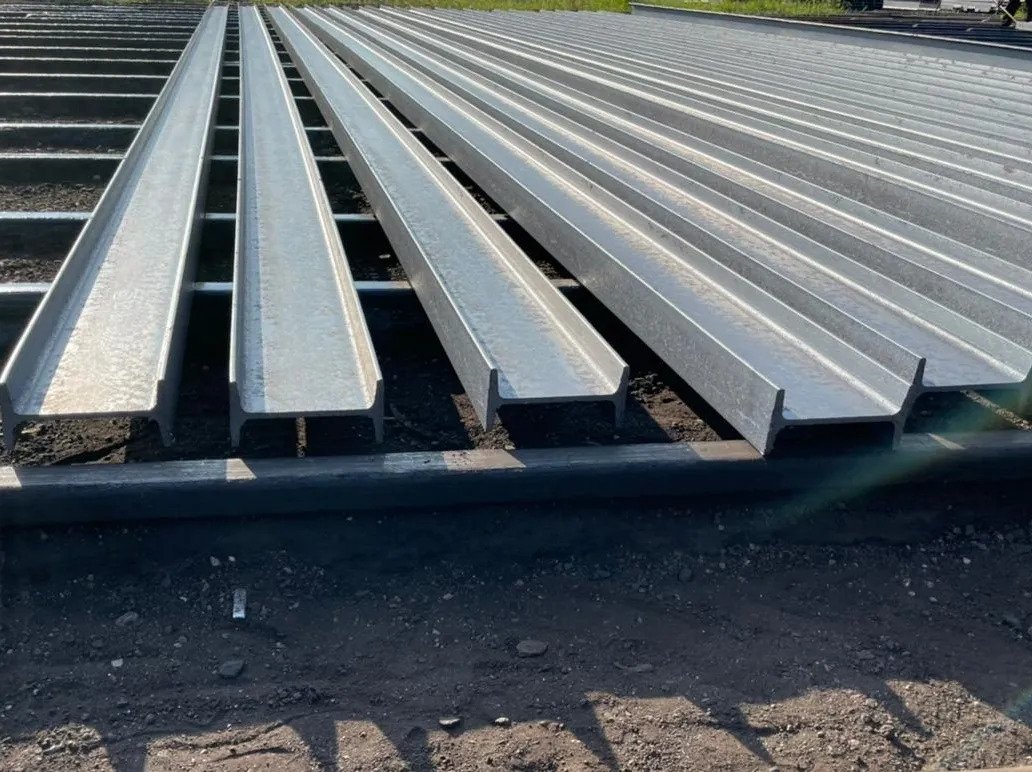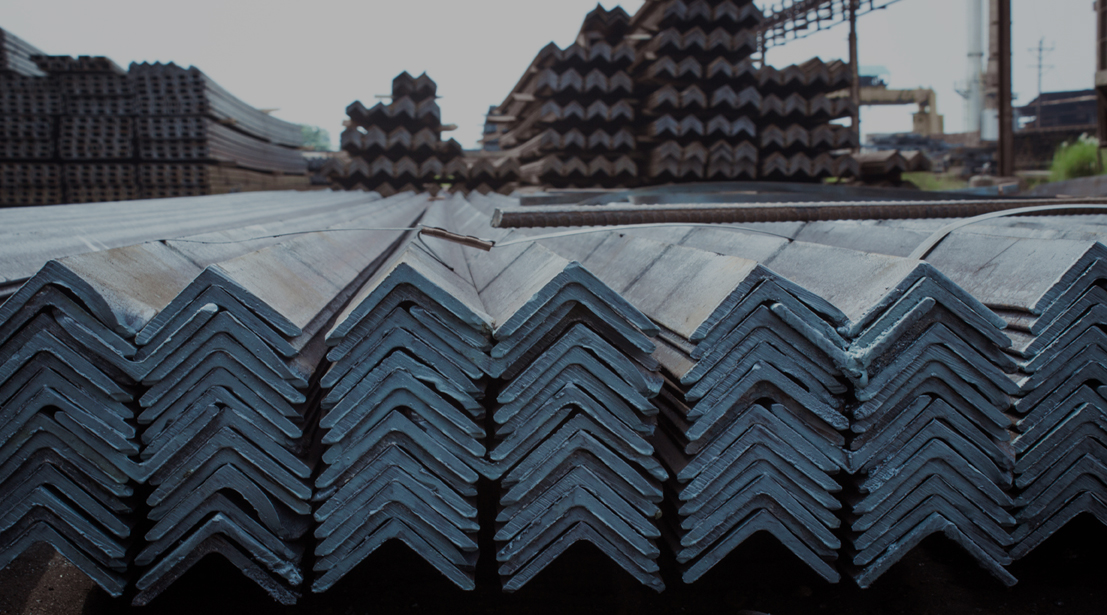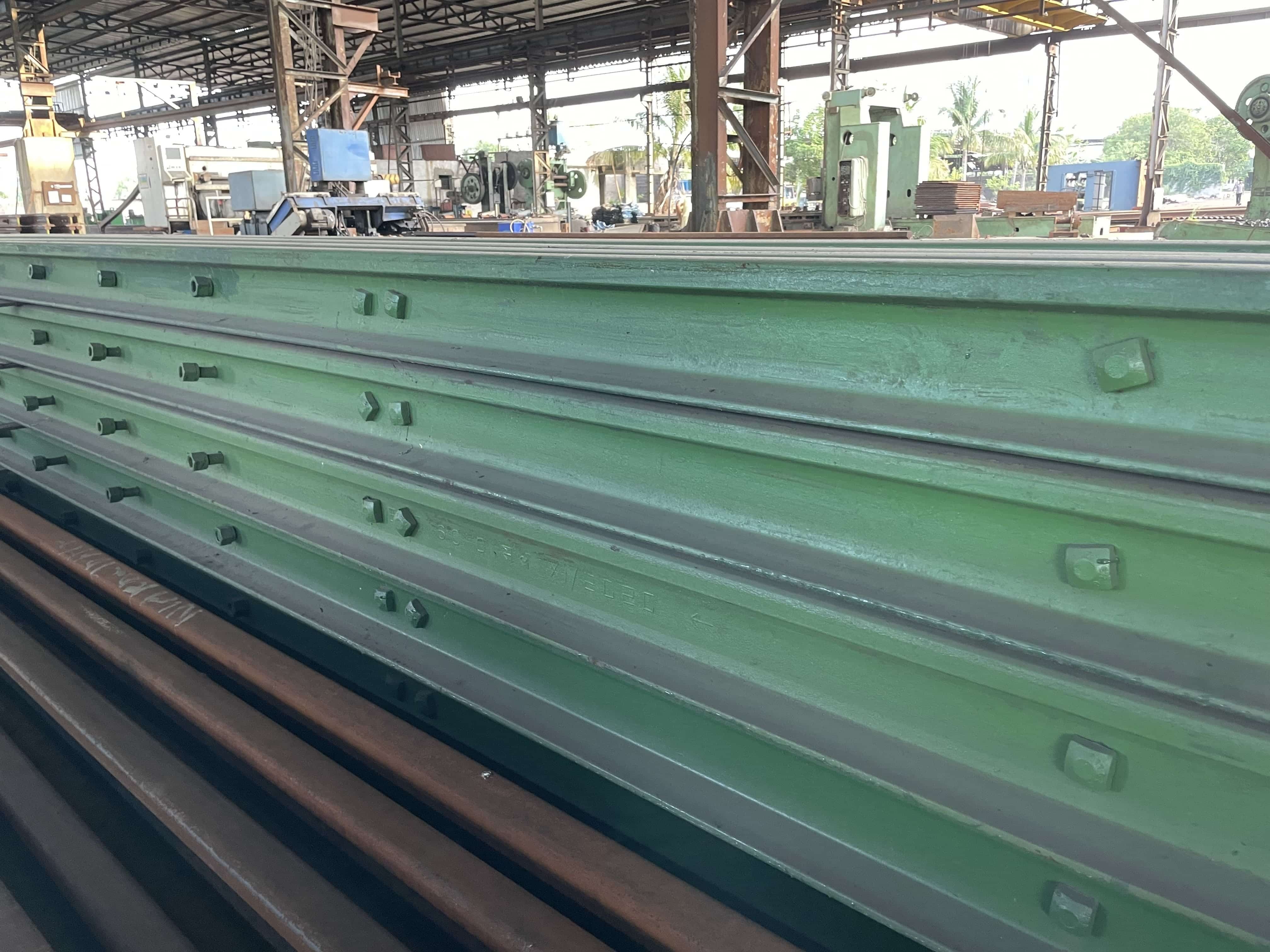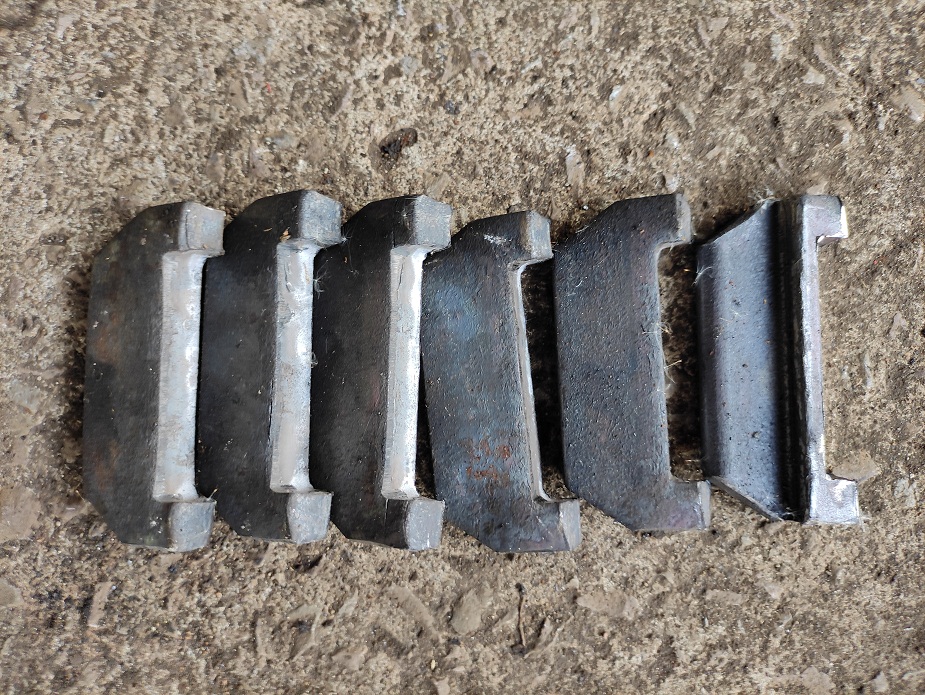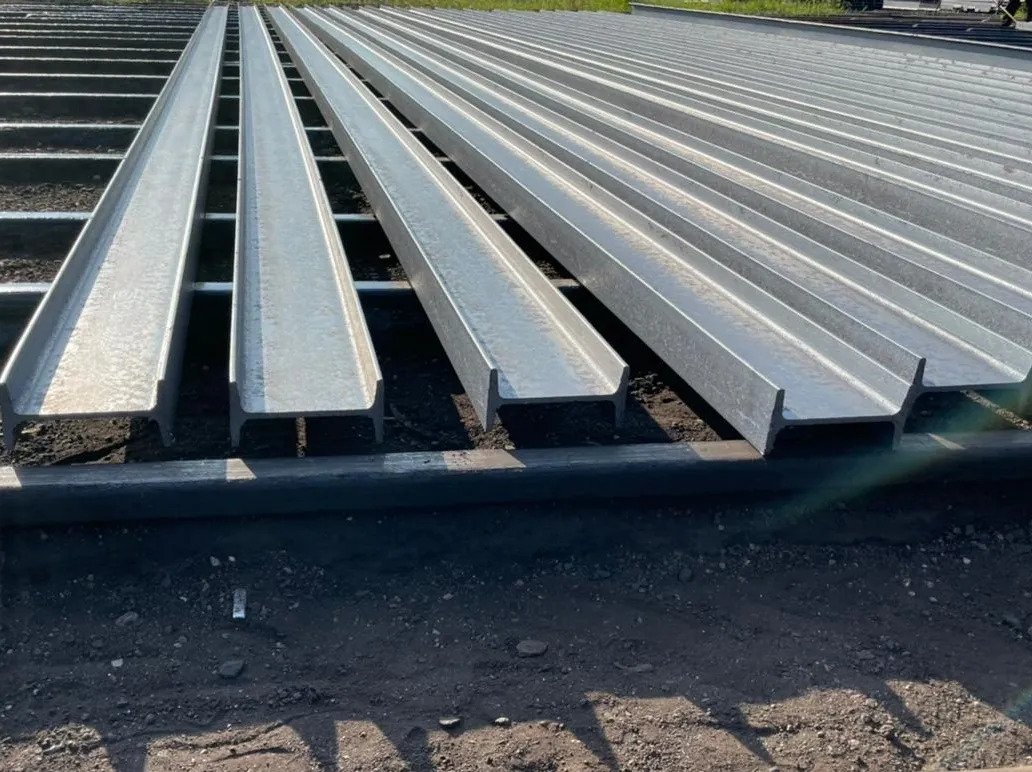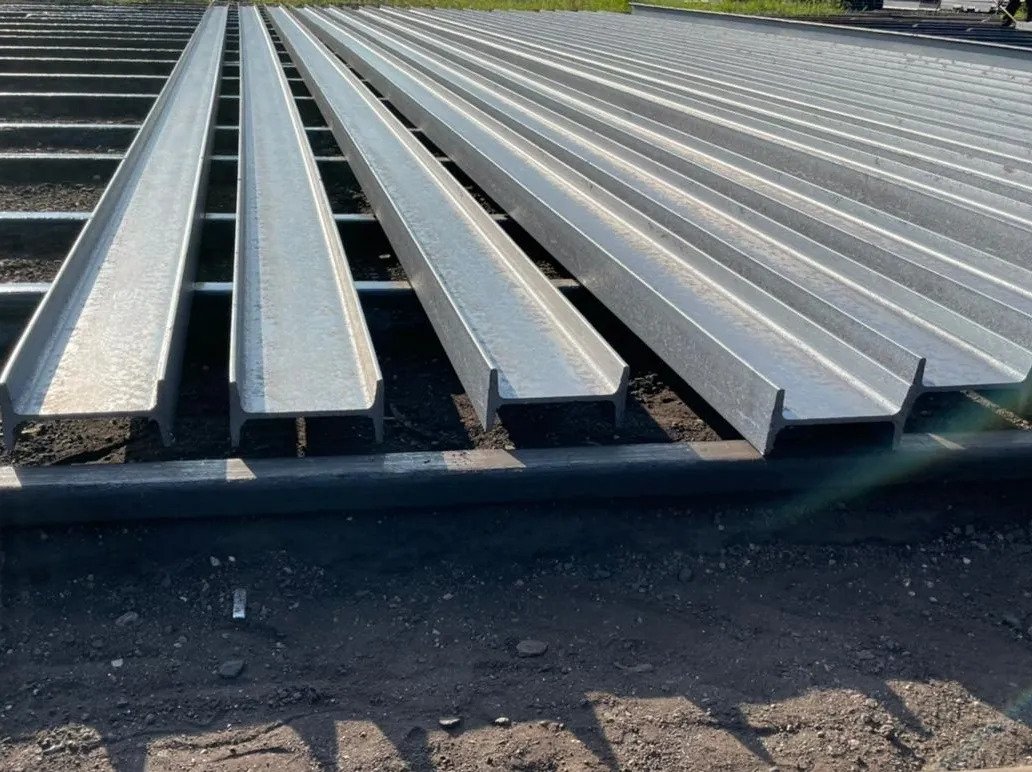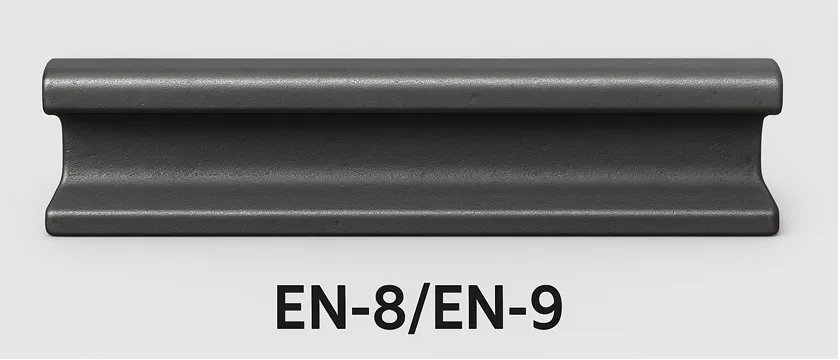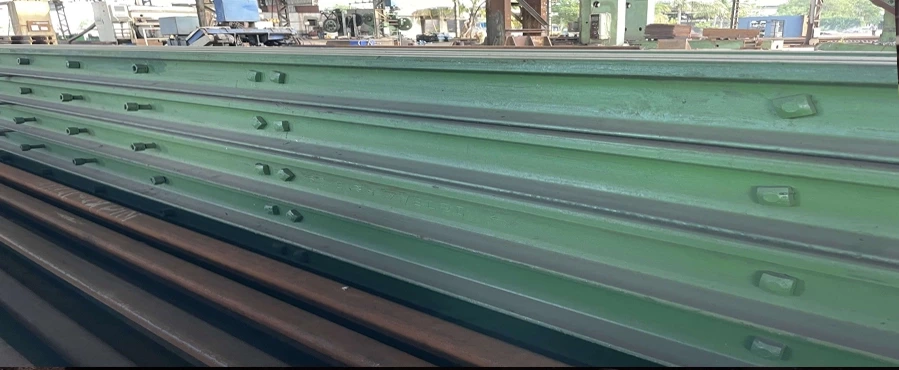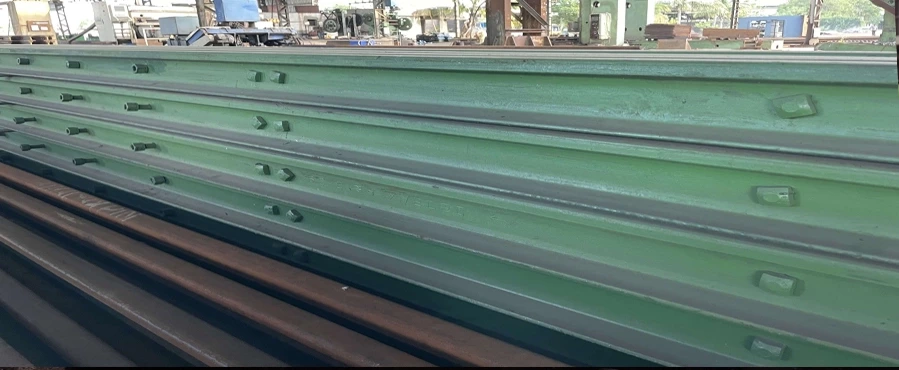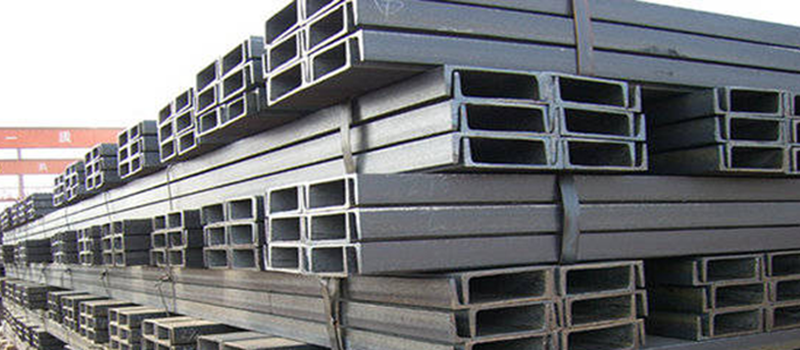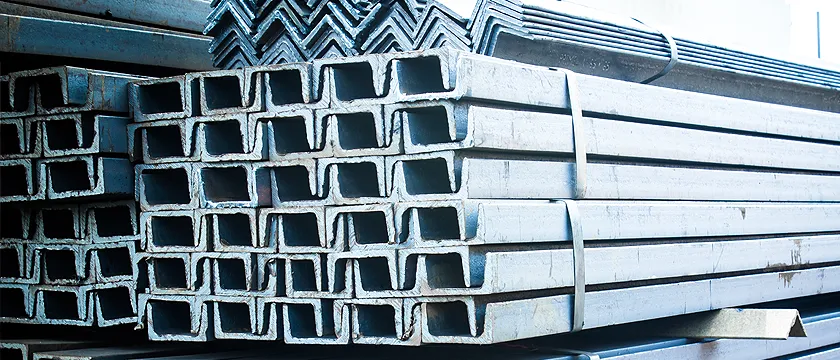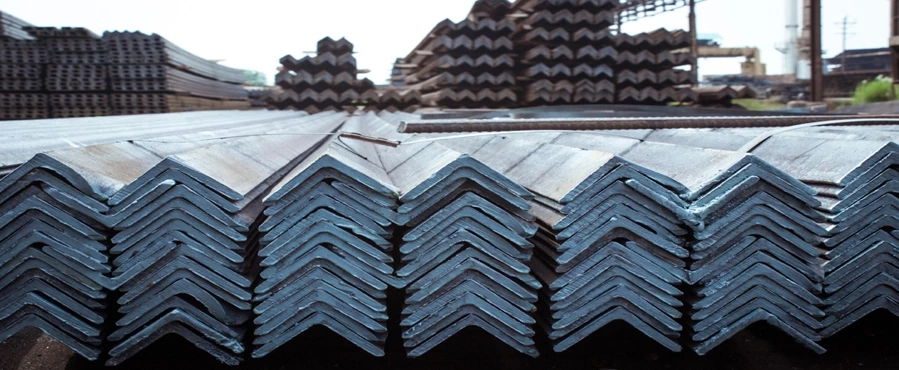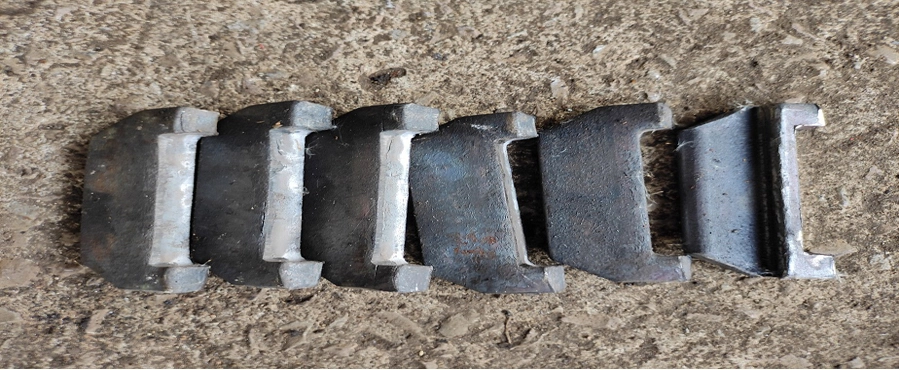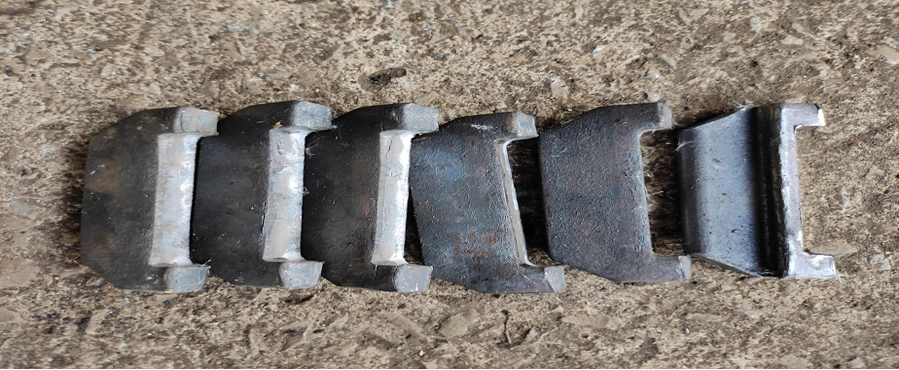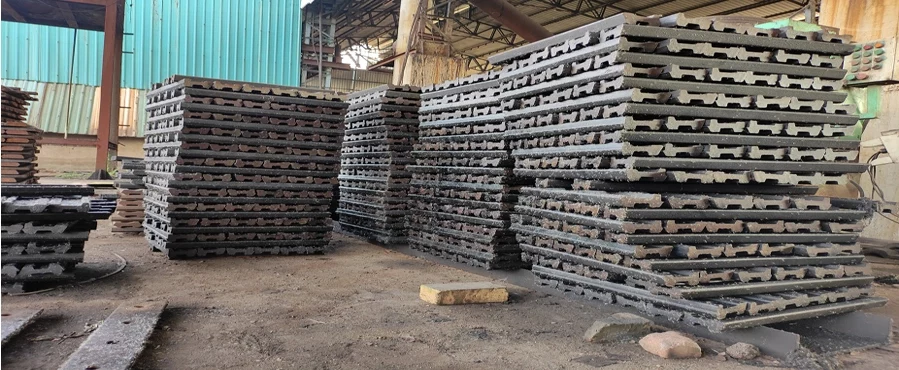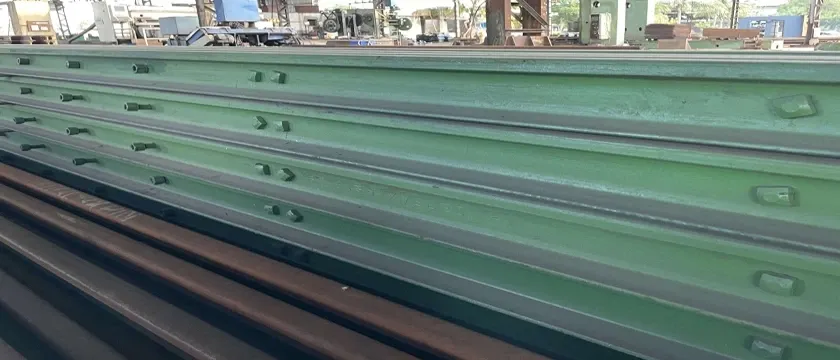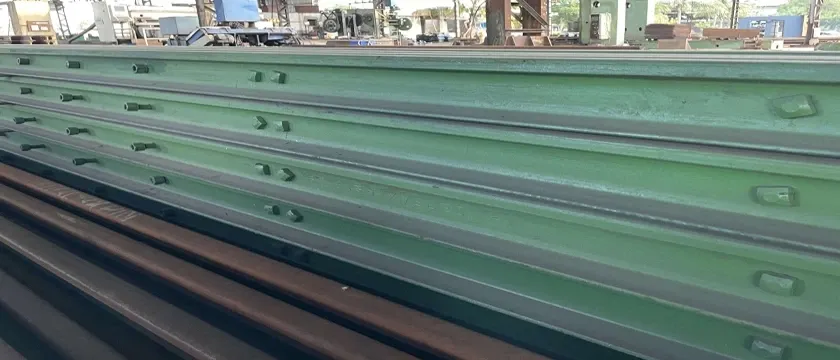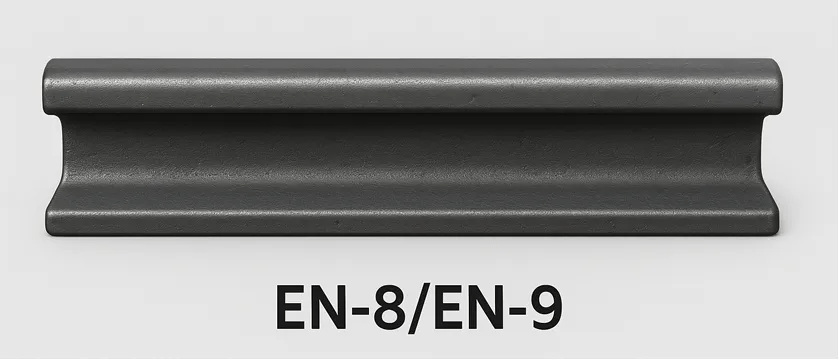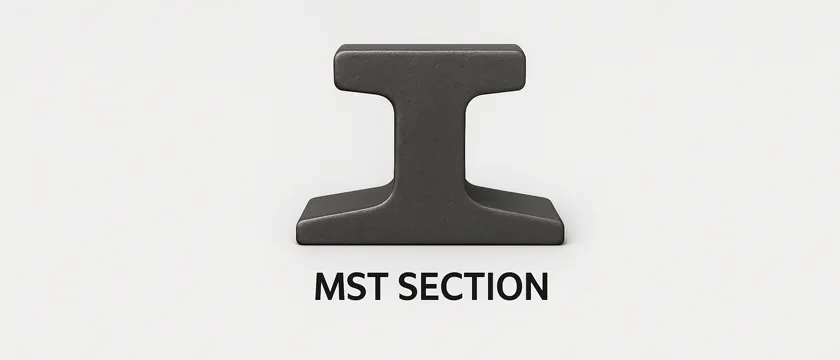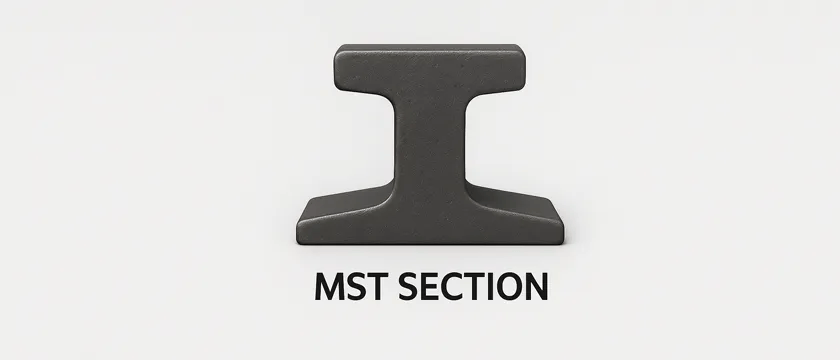





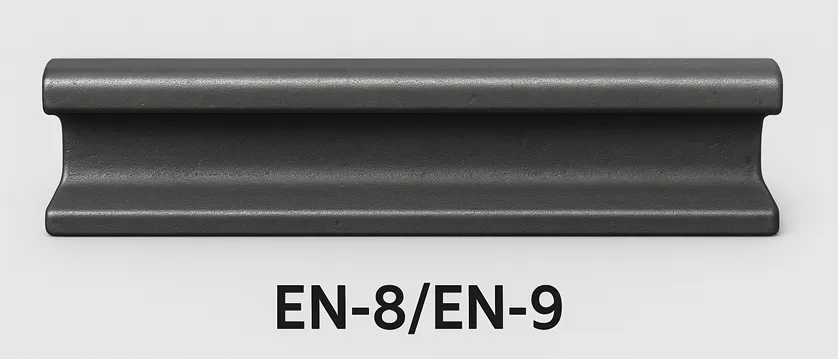
Direct Sourcing From Top EN-8 and EN-9 Rail Manufacturers in India
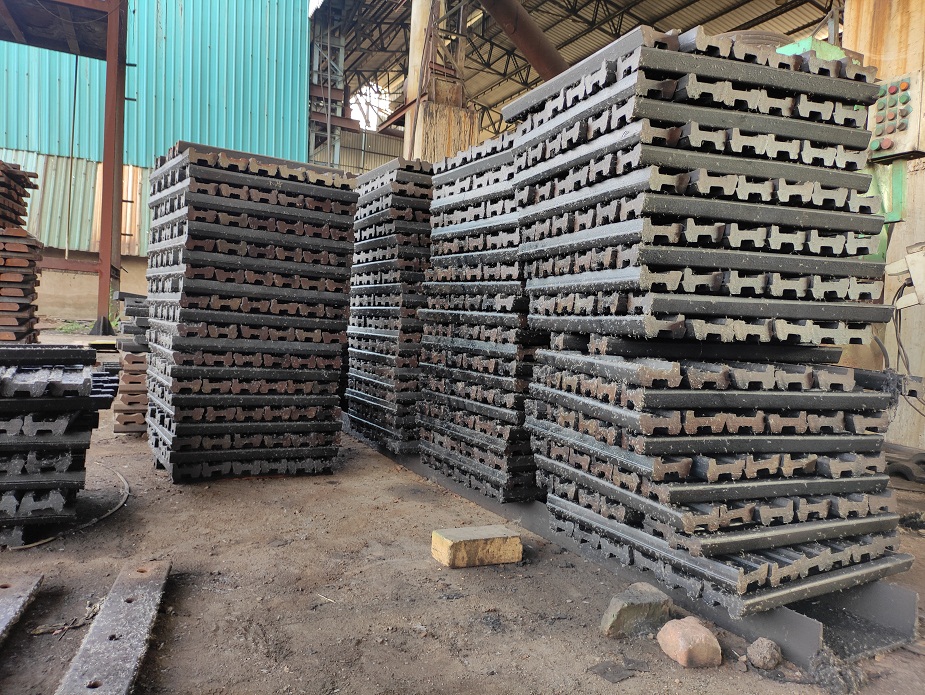
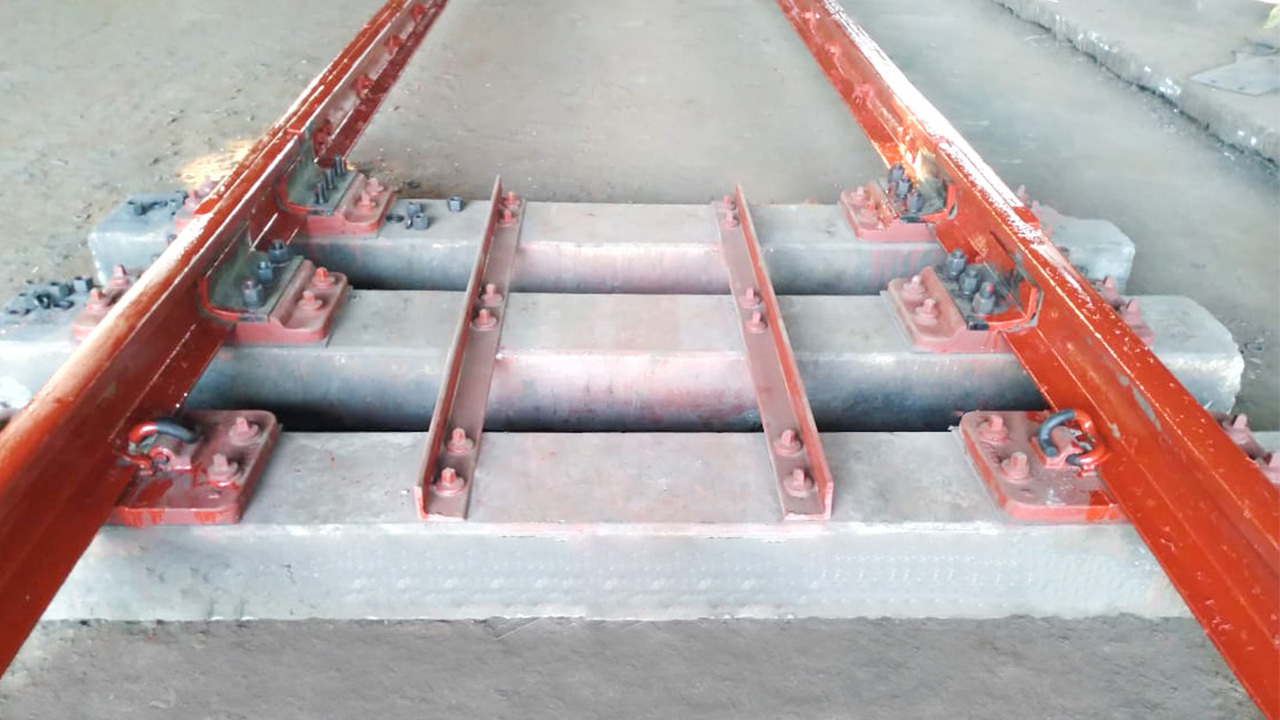
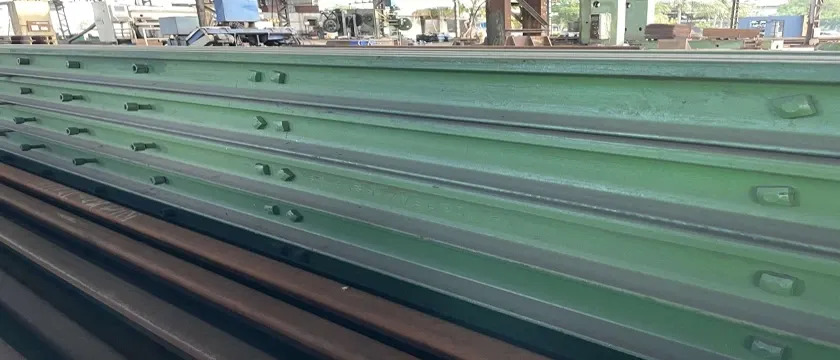
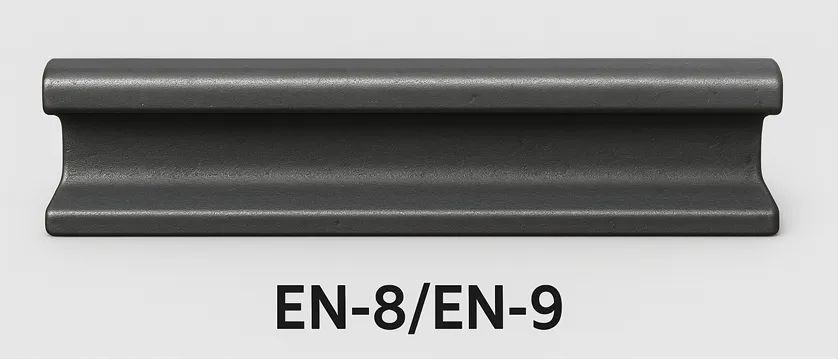
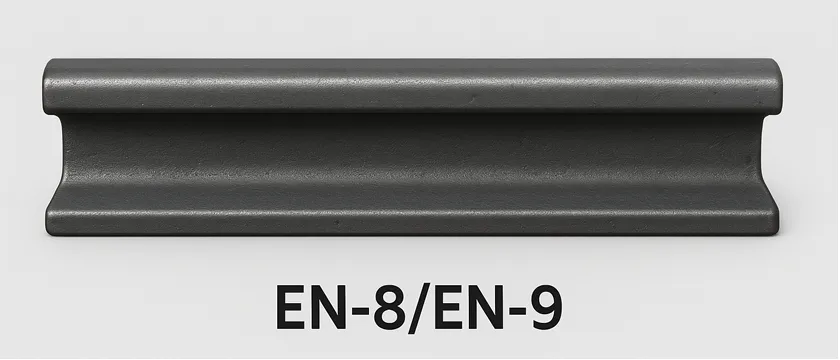
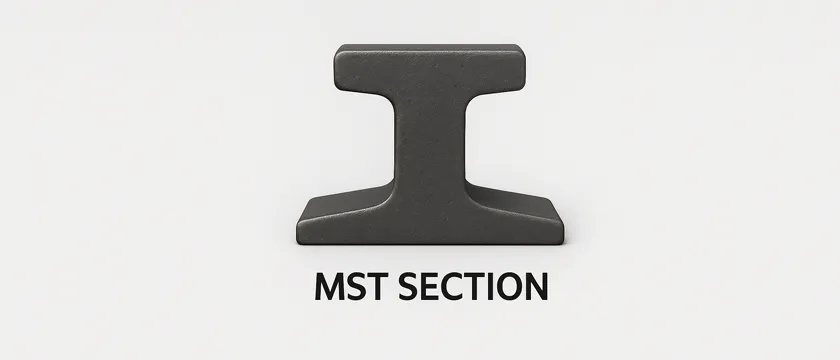
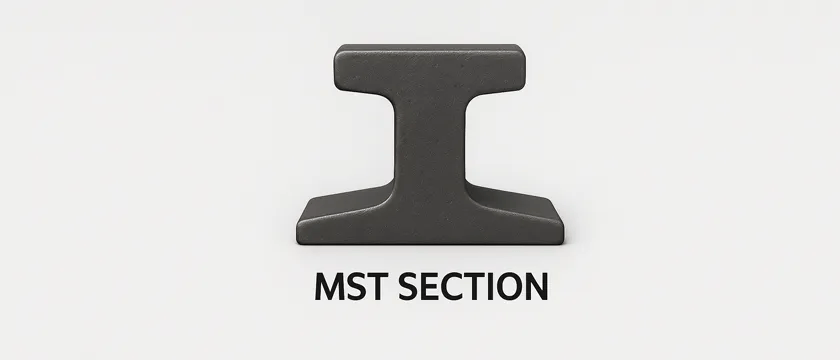
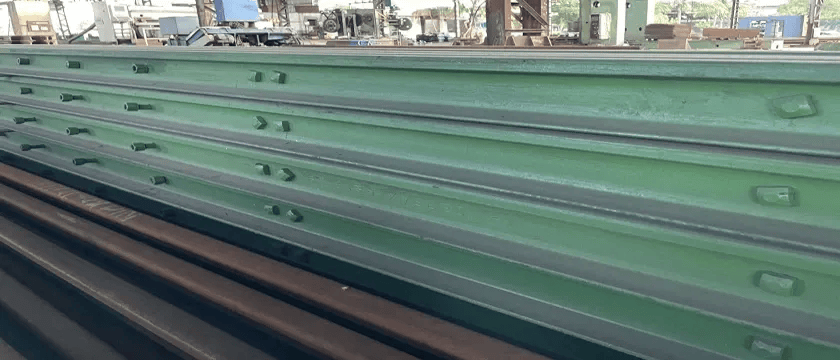
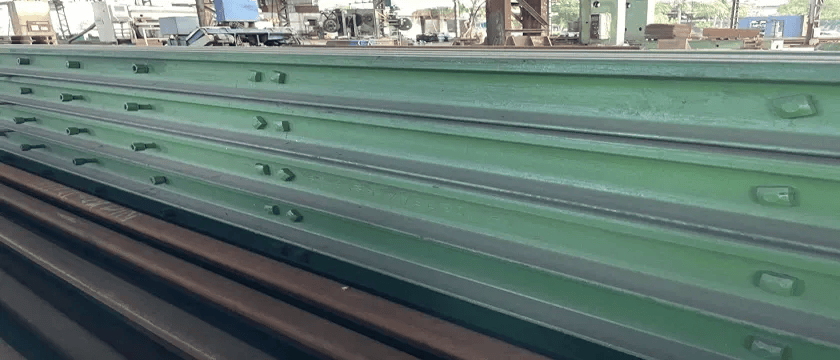
Industrial procurement managers facing recurring track failures often discover that unverified secondary traders supply mixed-alloy steel prone to rapid surface crushing under heavy crane loads. Sourcing structural tracks directly from certified EN-8/EN-9 Rail Manufacturers in India eliminates intermediate supply chain vulnerabilities, ensuring absolute metallurgical traceability and uniform mechanical performance. Prime Ispat engineers precision-rolled medium and high-carbon steel profiles designed specifically to endure extreme cyclical wheel pressures without premature structural fatigue or unexpected runway downtime.
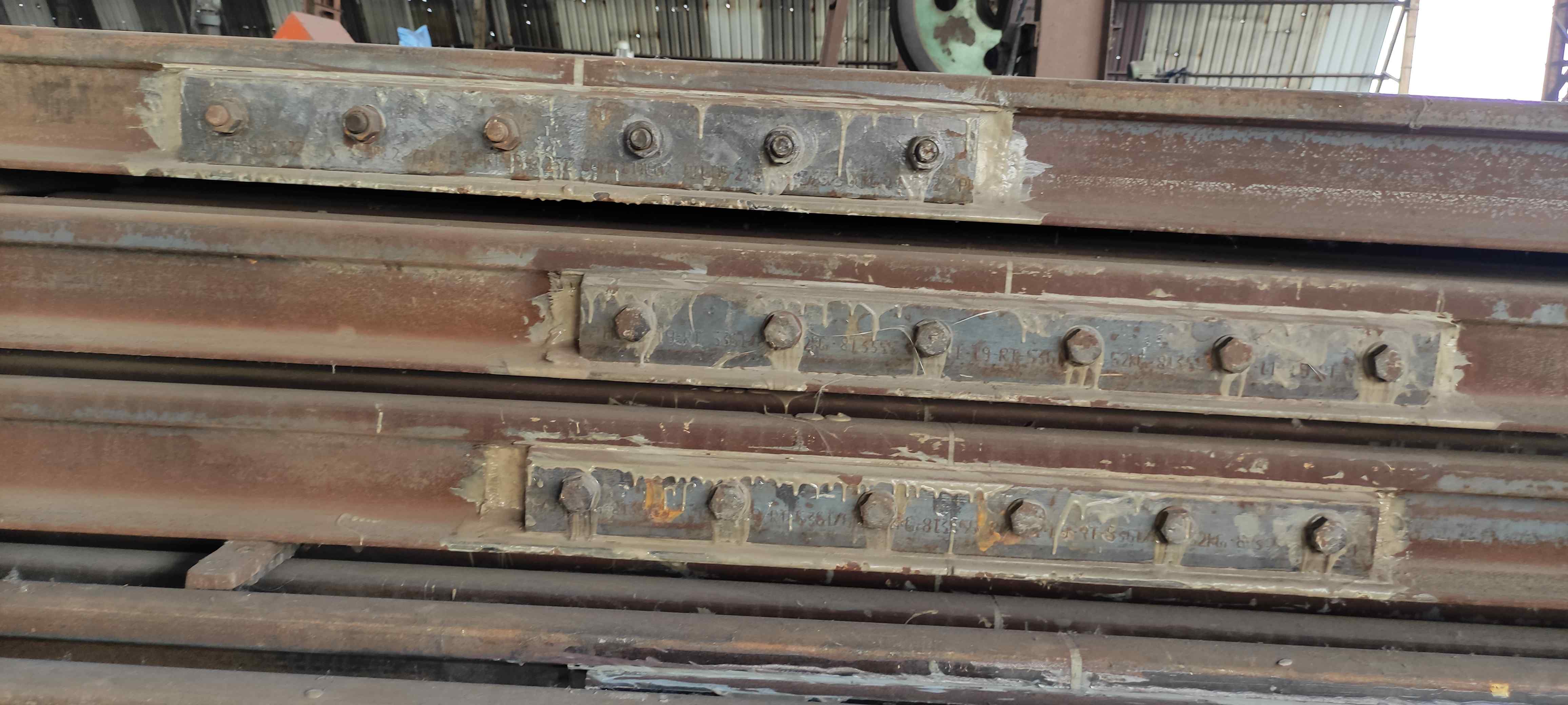
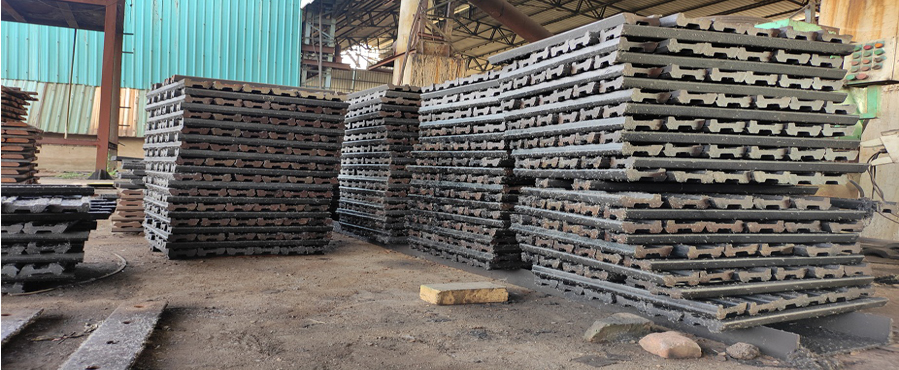
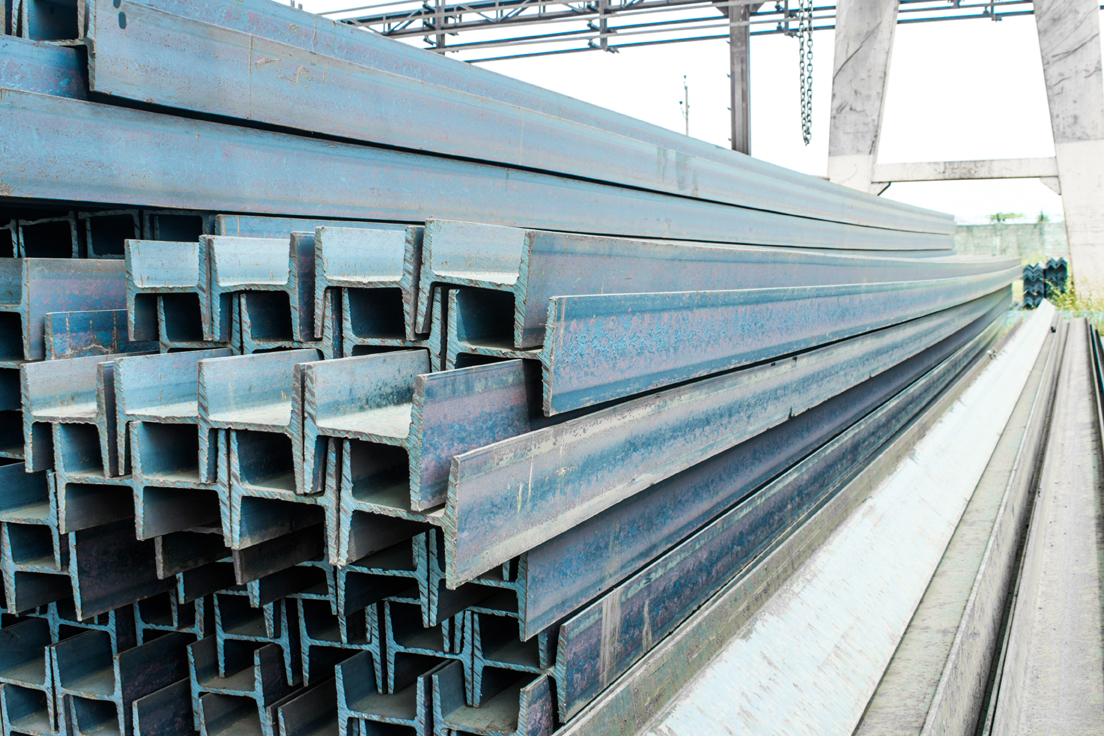
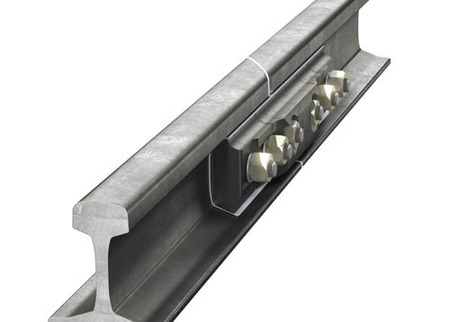
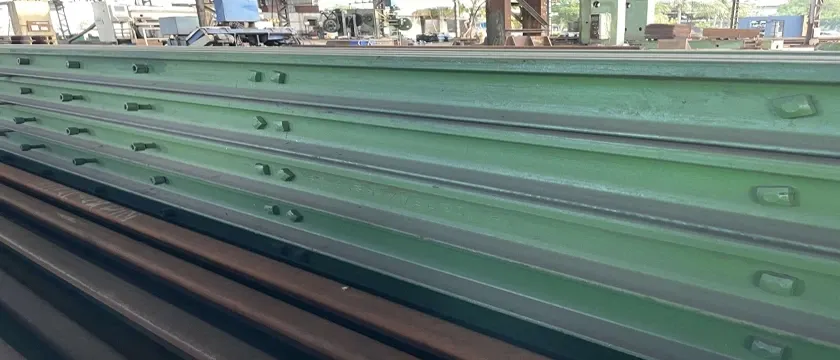
EN-8/EN-9 Rail Manufacturers in India deliver direct mill-gate access to high-tensile steel tracks engineered to support demanding industrial overhead crane systems and heavy material transfer lines.
Quick Facts
- Standard Alloy Classifications: EN-8 (medium carbon) and EN-9 (high-carbon wear resistant).
- Primary Manufacturing Hubs: Chhattisgarh, Maharashtra, Gujarat, and West Bengal.
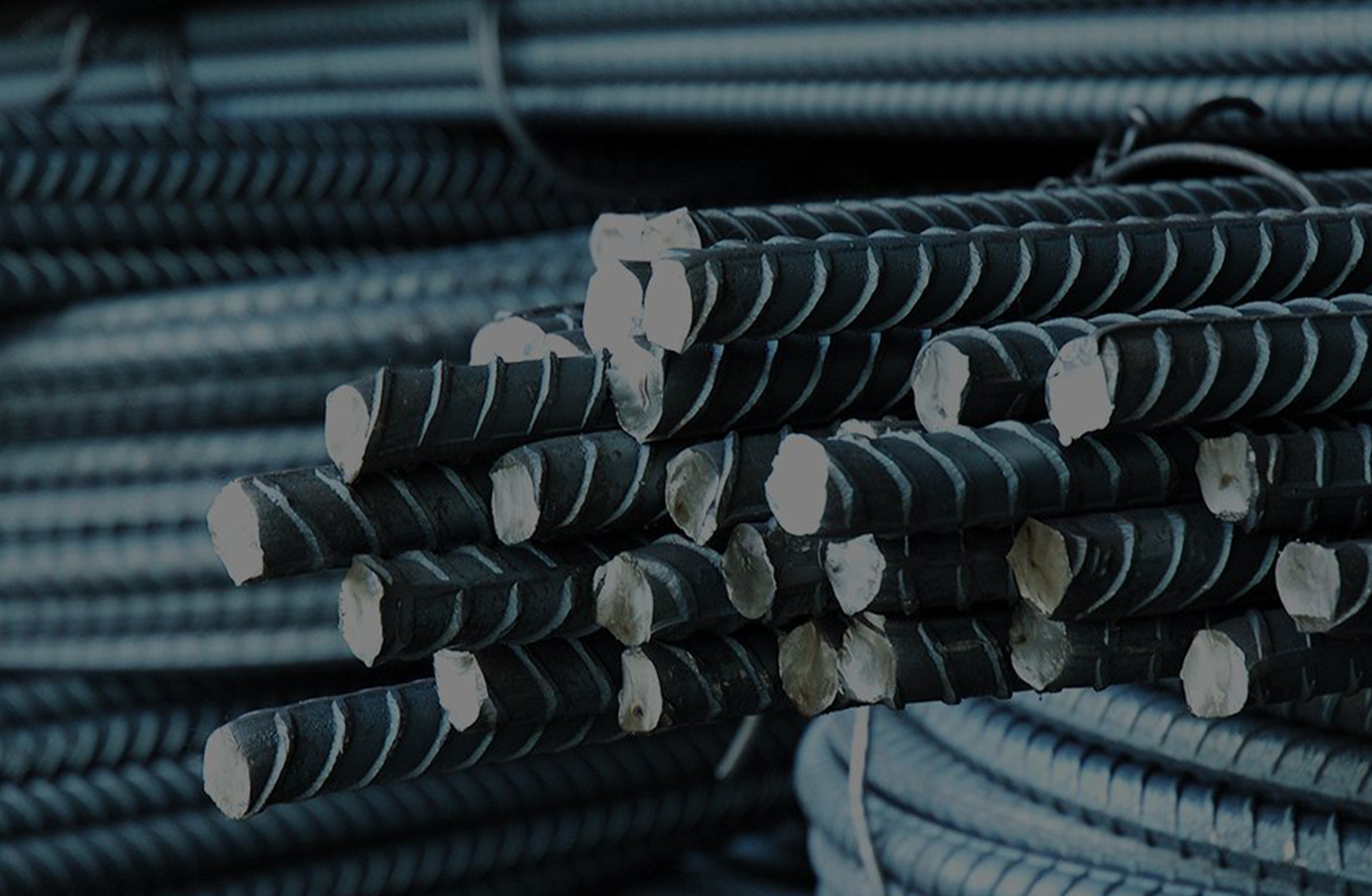
- Core Base Feedstock: 100% primary steel billets.
- Key Operational Environments: Heavy engineering plants, integrated steel mills, and automated port logistics yards.
Technical Specifications & Comparative Dimensions Table
|
Technical Parameter |
EN-8 Rail Profile Specification |
EN-9 Rail Profile Specification |
Engineering Significance |
|
Carbon Content |
0.35% – 0.45% (Medium Carbon) |
0.50% – 0.60% (High Carbon) |
Balances structural ductility with high surface hardness |
|
Tensile Strength |
700 – 850 MPa |
800 – 950 MPa |
Resists severe vertical crushing and shear stress |
|
Brinell Hardness (BHN) |
~201 – 255 HB |
~223 – 277 HB |
Prevents premature railhead wear under moving wheel loads |
|
Primary Application |
General engineering tracks and moderate-load cranes |
Heavy-duty EOT crane runways and high-wear tracks |
Maximizes service lifespan in aggressive operating settings |
Case Study: Solving Sudden Track Degradation in an Automated Heavy Workshop
Project Background
A heavy engineering manufacturing facility operating high-capacity transfer cars and 60-tonne EOT cranes experienced severe railhead pitting and uneven side-wear within six months of commissioning. The initial installation utilized generic structural steel sections procured through multi-layer trading channels lacking batch-specific quality documentation.
The Engineering Challenge
The plant engineering team needed to identify why standard structural tracks failed under continuous dynamic loads and establish a direct procurement pipeline for certified high-tensile alloy rails capable of resisting severe abrasive wear.
The Solution Provided by Prime Ispat
As a recognized leader among EN-8/EN-9 Rail Manufacturers in India, Prime Ispat conducted a metallurgical audit of the failed sections, identifying inconsistent carbon segregation. Prime Ispat then supplied precision-rolled EN-9 high-carbon rails produced from virgin primary billets, accompanied by complete batch test reports covering tensile strength and hardness tolerances.
Project Results
- Downtime Elimination: Unscheduled runway maintenance dropped by 55% over the subsequent operational year.
- Surface Integrity: The uniform high-carbon matrix eliminates plastic flow and surface flaking under moving wheel loads.
- Cost Optimization: Direct mill sourcing reduced procurement expenditure by eliminating intermediary trader markups.
Troubleshooting Common Industrial Track Failures
Why do standard structural rails fail under high-capacity gantry cranes?
Generic rails often utilize recycled scrap feedstock containing tramp elements, leading to internal micro-voids and uneven carbon distribution. Under continuous heavy wheel loads, these weak zones cause localized crushing and longitudinal splitting.
How do EN-8 and EN-9 alloy profiles prevent structural failure?
By maintaining precise carbon concentration ranges and controlled thermal cooling during rolling, these profiles achieve higher yield strengths and superior Brinell hardness ratings, directly preventing surface deformation.
How can procurement teams verify material quality before site installation?
- Inspect Mill Test Certificates (MTC): Verify exact carbon, manganese, and sulphur percentages against certified engineering standards.
- Check Dimensional Straightness: Ensure camber and twist limits conform to strict industrial track alignment tolerances.
- Confirm Primary Billet Source: Ensure rails are rolled from virgin iron-ore billets rather than unverified secondary scrap.
Understanding EN-8 and EN-9 Material Properties
What is an EN-8 rail profile?
EN-8 is a versatile medium-carbon steel grade offering balanced tensile strength and impact toughness, making it ideal for standard industrial transfer tracks and moderate-duty crane rails.
What is an EN-9 rail profile?
EN-9 is a higher-carbon steel grade engineered for maximum surface hardness and resistance to abrasive wear, serving as the optimal choice for intense, high-cycle crane runway systems.
Why does primary billet sourcing matter?
Primary steel billets are manufactured directly from raw iron ore, ensuring complete freedom from internal inclusions and delivering uniform mechanical integrity across the entire length of the rail.
Benefits and Operational Challenges
Key Benefits
- Complete traceability from raw material input to final mill dispatch
- High tensile strength and superior resistance to plastic deformation
- Direct technical support and custom length rolling options from the manufacturer
- Optimized pricing by removing intermediary trade margins
Operational Drawbacks
- Direct mill procurement requires precise pre-planning of project timelines and bulk volume estimates.
- Transporting heavy structural steel profiles demands specialized flatbed logistics coordination.
Real-World Applications
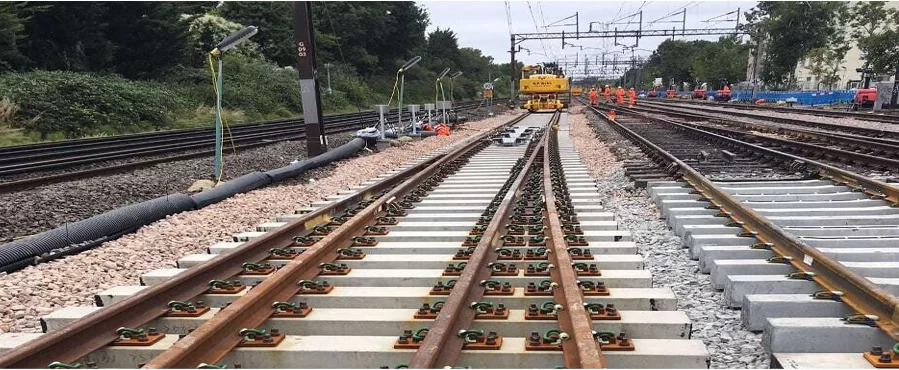
- High-capacity EOT crane runways inside heavy fabrication workshops.
- Automated transfer car tracks in industrial manufacturing units.
- Heavy-duty material handling paths in maritime and rail freight yards.
Sourcing and Installation Steps
- Define Load Requirements: Calculate static wheel loads, dynamic impact factors, and operating duty cycles to select between EN-8 and EN-9 grades.
- Engage Directly with the Mill: Connect with authorized manufacturer sales desks to discuss custom lengths, delivery schedules, and bulk pricing.
- Validate Documentation: Inspect certified metallurgical test reports covering tensile strength, hardness, and chemical composition.
- Coordinate Site Logistics: Plan safe offloading and structural alignment using professional engineering installation protocols.
Frequently Asked Questions
Why should project managers choose direct manufacturer sourcing over local traders?
Direct sourcing ensures authentic material grades, eliminates counterfeit or secondary scrap risks, provides access to technical engineering support, and offers significant cost efficiencies.
How do EN-8 and EN-9 rails perform under high-friction conditions?
EN-8 provides excellent general-purpose toughness, while EN-9 offers higher carbon content and superior surface hardness, making it exceptionally resistant to abrasive wear under heavy cyclical loads.
How can I request a commercial quote or technical consultation for my project?
Connect directly with our engineering sales team for customized length sizing, technical grade selection, and bulk pricing by visiting our official enquiry portal.
Secure Your Industrial Project Requirements Today
Ready to upgrade your gantry runway systems with certified, mill-direct material? Connect with our engineering consultants or submit your exact blueprint specifications directly through our Enquiry Us portal to secure priority dispatch and competitive bulk pricing.